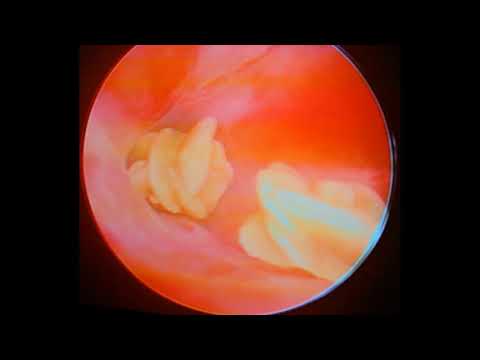
You know what’s hilarious? Watching a dog do the “I gotta go” dance. It’s like a mini interpretive performance right in your living room. Seriously, they jiggle and wiggle until you finally let them out. But have you ever thought about what’s going on inside that furry little body?
Let’s talk about the bladder. It’s not just a balloon that holds pee! Nope, it’s way cooler than that. Understanding how a dog’s bladder works is super important for keeping our wagging buddies healthy and happy.
There’s so much to unpack here! From its anatomy to how it manages all that liquid, there are insights that even vets find fascinating. So grab your favorite snack, and let’s dig into this bladder business together!
Comprehensive Insights into Canine Bladder Anatomy: A Resource for Veterinary Science Research
When diving into the world of canine bladder anatomy, you find a fascinating system that’s essential for a dog’s health and well-being. The bladder is, like, a muscular sac that stores urine produced by the kidneys before it’s expelled from the body. Pretty neat, right?
First off, let’s talk about shape and size. The dog’s bladder is generally pear-shaped and its size can vary significantly based on the dog’s breed and size. For smaller dogs, it can hold around 50-100 mL of urine, while larger breeds might hold more than 300 mL. That’s quite a difference! Imagine carrying around a little balloon versus a bigger one.
Now, onto what makes this all work. The bladder is lined with urothelium, which is a special type of tissue that can stretch as the bladder fills up. This stretchy lining allows it to expand when filled with urine but also helps prevent any leakage when it’s necessary to hold it in. And trust me, dogs can be pretty good at holding it until they get outside!
The wall of the bladder has three layers: an outer coating called the adventitia, a muscle layer known as the detrusor, and an inner layer made of urothelium. If you’ve ever felt your belly tighten up when you really need to go—yeah, that’s your detrusor muscle kicking into gear!
You might wonder how dogs know when to go outside. They have nerve endings in their bladders that signal their brains when it’s time to empty out. Ever notice how some dogs seem to know exactly where they want to do their business? That instinct is pretty strong!
- Nerve Supply: The bladder gets its signals from the autonomic nervous system—this means it’s mostly involuntary.
- Sphincter Control: Dogs also have two sphincters (like gates) controlling when urination happens: internal and external.
- Epidemiology:: Understanding how issues like urinary infections occur in different breeds helps vets provide better care.
This anatomy isn’t just about what’s inside; it relates to many common health issues too, like urinary tract infections or stones forming in the bladder. Knowing how everything works together helps vets diagnose problems effectively.
Pets are creatures of habit, and you might notice how your dog behaves when they need to go out—sniffing around or circling back and forth? Those little behavioral signs are part of what makes learning about their anatomy so essential for veterinary science.
If you’re ever at the vet’s office and overhear discussions about bladders or urinary health, just remember this: every pup’s anatomy works tirelessly behind the scenes. So next time you see your dog doing their business outside, maybe give them a little nod of appreciation for all those inner workings at play!
Exploring Female Dog Bladder Anatomy: Insights into Canine Urological Health
Alright, let’s talk about something that often doesn’t get enough attention: female dog bladder anatomy. I mean, we love our furry friends, right? Their health is super important to us. When it comes to their urological health, understanding their anatomy can really help keep them happy and healthy.
First off, the bladder itself is a stretchy organ that sits in the lower abdomen. Think of it as a balloon that fills up with urine. In female dogs, the bladder is located near the reproductive organs, and it’s usually a bit smaller than in male dogs. You know how sometimes you just have to go really badly? Well, dogs experience that too!
The bladder has a few key parts:
- Detrusor muscle: This is what helps the bladder contract and squeeze out urine when your dog needs to go. Imagine it like a bunch of tiny hands pushing on a soft bag.
- Urethra: This is the tube that carries urine from the bladder out of the body. In females, it’s shorter than in males, which can lead to different health issues.
- Sphincter muscles: These are like little gates that control when pee comes out. They need to relax so your dog can do her business!
You may wonder why knowing all this matters. Well, if your pup starts having trouble peeing or seems uncomfortable—like squirming around or whining—it might be something going on with her bladder.
I once had this friend whose dog always looked like she was trying to hold it in during walks. Turns out she had a urinary tract infection (UTI). Poor thing! Understanding female anatomy helped get her treated quickly.
Infections and other conditions, such as stones or tumors, can affect female dogs more so than males because of that shorter urethra I mentioned earlier. And yeah—those conditions can cause discomfort or even lead to more serious problems if not caught early.
This brings us to some vital signs you should keep an eye on:
- If your dog is urinating more often than usual (like every five minutes), that’s not normal.
- If she’s straining but nothing’s coming out? That could indicate an issue!
- A change in urine color or smell could signal infection or other problems.
You shouldn’t ignore these signs! If you notice anything strange—give your vet a shout! They’ll probably want to look at her bladder and urinary tract for any trouble spots.
To wrap it up: being aware of your girl’s bladder anatomy and function isn’t just good knowledge; it’s essential for keeping her healthy overall! So next time she starts acting funky about her bathroom habits, you’ll know what might be happening down there!
Understanding the Anatomy: Location and Function of the Female Dog’s Bladder in Veterinary Science
Alright, let’s talk about something that’s not often the star of the show but is super important: the female dog’s bladder. Seriously, this little organ has a big job. The bladder is basically a muscular sac that stores urine before it’s excreted. You know, just like a balloon, but for pee!
Now, where exactly is this bladder located? Well, in female dogs, it sits in the abdomen, nestled right behind the pubic bone. It’s kind of like that friend who always tags along—right there but not always noticed. When a dog pees, the bladder sends signals to the brain that say, “Hey! Time to go!”
But what about its function? That’s where things get really interesting! The bladder holds onto urine produced by the kidneys until it reaches a certain volume. Once full, nerve signals alert your furry friend to find a spot to do its business. It’s all about timing and teaching them where it’s okay to let it all out.
The wall of the bladder is made of smooth muscle tissue called detrusor muscle, and when it contracts, that’s what pushes out the urine through a tube called the urethra. In case you’re wondering why we’re talking so much about muscles here—it’s because they play a key role in how well everything functions.
- The muscular contractions: These help push urine out smoothly.
- A healthy bladder: It should be elastic so it can stretch as it fills up.
- Urethra function: This tube directs urine from the bladder outside—pretty crucial!
If all goes well with this system, your dog won’t have any issues peeing. But sometimes things don’t go as planned. Conditions like urinary tract infections or stones can throw a wrench in things. They can cause pain or make peeing difficult for our pups.
I remember one time when my dog was acting strange—she didn’t want to go outside and kept looking at me with those wide eyes like she was trying to say something was wrong. Turns out she had a UTI! It was such a relief when we figured it out; she bounced back quickly after some vet visits and medication.
So keeping an eye on your dog’s bathroom habits is essential! Changes could signal something’s off with that little muscle balloon storing pee in their belly!
In summary, understanding how the female dog’s bladder works helps us keep our furry friends happy and healthy. The location is right behind their pubic bone and works tirelessly storing urine for them until they’re ready to relieve themselves. So next time you take your pup out for a walk or see them sniffing around trying to find that perfect spot—you’ll know just how hard their little bladders are working!
You know, when you’re out walking your dog and they suddenly stop to sniff something suspicious or, let’s say, make a little pit stop — it’s easy to overlook what’s going on inside them. I mean, it’s just a bladder, right? But the truth is, there’s quite a lot happening in there!
The bladder is this stretchy bag that holds urine before it’s expelled. In dogs, its anatomy is pretty neat and actually helps them manage their bathroom needs efficiently. It’s made up of layers of muscle and tissue that allow it to expand and contract. So picture this: your pup’s bladder fills up like a balloon until it signals they need to go. And then – boom – out they dash!
I remember my friend had this adorable golden retriever named Max. One day while we were at the park, he seemed super excited but also kind of fidgety. Turns out he had been holding in his business for too long! It was funny watching him make a beeline for that tree once he got the chance. This little incident made me think about how important bladder health is for dogs.
If you get technical, the canine bladder connects to the kidneys through ureters — those are like little tubes that transport urine from where it’s made to where it’s stored. When those nerves send signals saying “Hey! Time to go!” well, it all kicks into gear! The sphincter muscles then come into play too; they’re like gatekeepers keeping everything in check until it’s time for a release.
Veterinary science digs deep into these details because knowing how all this works can help diagnose issues if your furry friend isn’t feeling so hot down there. Like if they seem to be going outside way more often or having trouble peeing — these could be signs something’s off in bladder town!
Plus, understanding bladder anatomy aids vets in performing surgeries or treatments effectively when needed. But let’s not forget that every dog is unique; what works for one pooch may not exactly fit another.
So next time you see your pup sniffing around or doing their business, take a moment to appreciate all those complicated processes happening inside their little bodies. It really makes you grateful for how intricate nature can be! And who knows? Maybe you’ll even impress some friends by dropping some knowledge about dog bladders next time you’re chatting with fellow pet owners!