So, picture this: you’re out for a walk with your dog, and they suddenly stop to sniff the same patch of grass for what feels like an eternity. You’re thinking, “Come on, buddy! We’ve got places to be!” But little do you know, there’s a whole world of things happening in their bladder right then. Seriously!
Now, you might not give much thought to your pup’s bladder unless it’s a trip to the vet or an accident on the carpet. But trust me, it’s way more fascinating than it sounds.
Dogs have these incredible bodies designed for all sorts of adventures—and their bladder is a key player in that game. It’s not just a storage tank; there’s some real science going on beneath that furry exterior!
Let’s dig into how this organ works and why it matters for your pooch’s health. You might end up thinking about those bathroom breaks in a totally different light!
Understanding Canine Bladder Anatomy: A Comprehensive Guide for Veterinary Science
So, let’s talk about the canine bladder. This little organ plays a pretty big role in your dog’s health and happiness. You see, the bladder is basically a storage tank for urine, which is produced by the kidneys. It holds onto that pee until it’s time to release it. Seems straightforward, right? But there’s more to it!
First off, the structure of the bladder itself is quite fascinating. The bladder is made up of several layers:
- Mucosa: This is the inner lining that helps prevent harmful substances from seeping into the bloodstream.
- Muscular layer: Known as the detrusor muscle, it’s what allows your dog to push out all that stored urine when they’re ready to go.
- Adventitia: This outer layer connects the bladder to surrounding tissues.
You know what’s interesting? The bladder can stretch quite a bit! A small dog might hold about half a cup of urine, while larger breeds can hold up to two cups or more. When it’s time for a bathroom break, signals travel from the bladder to your pup’s brain saying, “Hey, let’s empty this thing!”
The nerves involved make this whole process even cooler. They pick up on how full the bladder gets and send messages back and forth. If you’ve ever seen your dog doing that little dance or sniffing around like crazy? That’s them saying they need out—like an urgent text message!
Now let’s get into what happens if things go wrong with this system. Issues like urinary tract infections (UTIs) or bladder stones can make life pretty uncomfortable for your furry friend. UTIs might cause them to pee frequently but only in small amounts or show signs of discomfort while doing so.
And then there are those pesky stones. These can form if certain minerals build up in their urine, leading to painful blockages or infections. Can you imagine how much that would hurt? It’s super important for you as a pet owner to keep an eye on your dog’s bathroom habits because any changes could signal a bigger problem.
Thankfully, if you catch these issues early enough, most can be treated successfully with medication or dietary adjustments. Keeping your dog hydrated helps too; just like us humans, they need plenty of water!
The takeaway here is understanding canine bladder anatomy isn’t just about knowing where everything is; it’s about paying attention to those signals they give us every day! So next time you’re out on a walk and Fido starts sniffing around frantically—it might be more than just curiosity at play!
Understanding the Functional Anatomy of the Bladder: Insights for Biomedical Science
The bladder is quite the fascinating organ, isn’t it? It’s like a storage tank for pee, but there’s so much more going on in there. When we talk about the functional anatomy of the bladder, especially in dogs, we’re delving into a structure that showcases some interesting details.
Location and Structure
First off, let’s look at where this little powerhouse is located. The bladder sits in the pelvic cavity, just behind the pubic bone. You could think of it as the balloon-like structure that expands when it fills up with urine. Now, imagine your dog running around outside—having all that fun while his bladder works away in the background!
The wall of the bladder consists of several layers:
Each layer plays a crucial role in urine storage and elimination.
Functionality
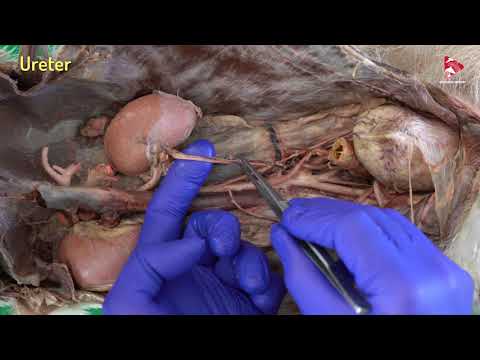
Okay, so how does this all work together? Picture this: after your dog drinks water (or chows down on something juicy), his kidneys filter blood and produce urine. That urine travels down tubes called ureters and ends up in the bladder.
When it’s time to go, nerve signals tell those muscle fibers in the detrusor muscle to contract. It’s like a little concert going on inside! The internal urethral sphincter opens automatically while your pup decides whether he wants to actually let it all out. The external sphincter gives him some control over when to pee.
Isn’t that wild? Okay, there are some variations in how dogs might process this system compared to us humans. For instance:
Health Insights
Understanding how these components fit together can really help with animal health care. Issues like urinary tract infections or stones can arise when things go haywire. A well-functioning bladder means a happy pup; problems can lead not only to discomfort but also behavior changes—it’s true.
So next time you’re out with your furry friend watching him sniff around or doing their business, you’ll know there’s an entire system working seamlessly beneath the surface! And who knows? Maybe you’ll appreciate those walks even more knowing what’s happening inside that adorable little body of theirs!
Exploring the 7 Critical Functions of the Urinary Bladder in Human Physiology
Alright, let’s talk about the urinary bladder. It’s a pretty fascinating little organ, not just in humans but also in dogs and other animals. You might not think about it much, but this pouch plays some serious roles in keeping our bodies running smoothly. So here are the seven critical functions of the urinary bladder that help us (and our furry friends) out:
- Storage: The bladder’s main job is to store urine until it’s time to go to the bathroom. Think of it like a balloon that fills up with water.
- Gradual filling: As your bladder fills up, it stretches. This gradual increase lets your body know when it’s time to empty it out. Kind of like waiting for that perfect moment to pop a balloon.
- Muscle contractions: When you decide to go, the bladder muscles contract. These contractions push the urine out through the urethra. Imagine squeezing a sponge full of water—out it goes!
- Nerve signaling: The bladder sends signals to your brain when it’s full; this is why you feel that pressure or urgency! It’s like getting a notification on your phone—”Hey, time to take action!”
- Regulation of urination: The urinary bladder also helps regulate when and how much we urinate. This is controlled by sphincter muscles at the exit of the bladder that open and close.
- PH balance maintenance: Believe it or not, your bladder also helps maintain your body’s pH balance by excreting different amounts of acids and bases depending on what you eat or drink.
- Waste storage: Besides just holding urine, your bladder temporarily stores waste products that need to be removed from your body. That way, they don’t just float around causing problems!
You know, I remember my dog once had an accident because he held it too long during a road trip! Poor guy was clearly uncomfortable but didn’t want to signal for a stop because he was so focused on us having fun. His little bladder was working hard trying to manage all those functions I just mentioned without an easy way out!
Overall, humans and canines share these urinary functions, keeping their systems in balance while managing waste effectively. Pretty amazing how something so small can have such big jobs! So next time you think about needing a bathroom break (or watching your pup’s dance around), remember just how crucial the urinary bladder really is.
You know, if you’ve ever spent time with a dog, you might’ve noticed how they can go from zero to sprinting just because they caught a whiff of something interesting. But have you ever thought about what’s going on inside their little bodies, specifically in their bladders? I mean, it’s pretty fascinating stuff!
So here’s the deal. A dog’s bladder is this stretchy sac that holds urine. When it fills up, nerve signals tell their brain it’s time to find a spot outside—hopefully where they won’t embarrass themselves! The bladder wall is lined with special cells that can stretch and contract. It’s like it’s made for this job! Just imagine how much liquid can fit in there.
But the real fun begins when you think about how bladder control works in dogs. When they’re puppies, they’re not always great at managing their bladder. You know those moments when you’re training them and they’re just doing their thing right on your living room carpet? Yeah, that’s because they’re still learning about those signals. Eventually though, with some patience (and maybe a few accidents), they learn to hold it until they’re outside.
I remember when I was helping my friend train her golden retriever. We were out at the park one day, and suddenly he just stopped playing and gave her this look like “Uh-oh!” Without missing a beat, she scooped him up and ran towards the nearest grass patch. The urgency was clear—it was all about that bladder signaling!
And then there’s the whole concept of what happens when things go wrong—like urinary tract infections or stones forming in the bladder. Yikes! These issues can seriously mess with a dog’s ability to hold it or even cause pain while trying to “do their business.” It’s heart-wrenching seeing them struggle.
So yeah, canine bladder anatomy isn’t just something you read about in textbooks; it’s super important for keeping our furry friends comfortable and healthy. The next time your pup does that little dance while waiting to go out, appreciate the complex system at work behind those wagging tails! It’s nature working its magic right before our eyes—well, paws!