You know, I always thought the rib cage looked a bit like a medieval castle. Seriously! It’s got walls, towers, and even a drawbridge of sorts—well, sort of.
So, picture this: you’re at a party, and someone accidentally bumps into you. Ouch, right? Thank your rib cage for keeping your organs safe and sound in moments like that.
But it’s not just about protection; this structure is super cool. It’s like an intricate puzzle that helps us breathe and move. You think it’s just bones? Nope! There’s way more to it.
Let’s take a closer look at those ribs—we’ll uncover their secrets together!
Understanding Rib Cage Discomfort: Identifying Organs and Their Functions in Relation to Pain
Understanding rib cage discomfort can feel like a puzzling riddle, right? You’re sitting there, feeling a twinge or a dull ache in your chest area and you’re like, what’s going on? Well, your rib cage isn’t just some protective box for your vital organs; it’s made up of bones and cartilage that shield your heart, lungs, and more. So when you start feeling discomfort, it could be related to any number of things going on inside.
First off, let’s talk about the lungs. They sit snugly in your rib cage and are super crucial for breathing. If you’ve ever felt pain when taking a deep breath, that can sometimes indicate an issue with your lungs. For example, something like pleurisy—a condition where the lining around your lungs gets inflamed—can cause sharp pain.
Then there’s the heart, another heavyweight in the rib cage arena. It loves to hang out behind your breastbone. If you’re feeling pressure or pain radiating to your arms or jaw—yeah, definitely worth paying attention to. It might be something minor or just stress; still better to check it out!
And don’t forget about the diaphragm, that muscle right below your lungs that helps with breathing. Sometimes if you’re dealing with things like reflux or even a pulled muscle from coughing too hard—you could feel some discomfort there too.
Not to skip over the stomach and other nearby organs—like the liver and spleen—they’re all wedged in pretty tightly in this area as well. Issues like gas pains or digestive troubles can also manifest as rib cage discomfort. I remember once after eating way too much pizza (seriously), I felt this intense pressure under my ribs—yeah, my stomach was definitely not happy!
There are also those pesky muscles and ribs themselves that can get strained just from doing day-to-day stuff—or even sleeping funny! You know how after a long day at work you might feel sore? Well, sometimes that soreness can kick up around your rib area because those muscles are tired too.
So yeah, rib cage discomfort isn’t always scary but it should definitely be listened to. Pay attention to what else is going on around it: any other symptoms? How long has this been happening? These questions help paint a fuller picture for you.
In summary:
- Lungs: Pain could mean inflammation or infection.
- Heart: Important to consider if you’re feeling pressure.
- Diaphragm: Related issues can stem from digestive problems.
- Stomach and other organs: Gas pains may cause discomfort too.
- Muscualr strain: Everyday activities might lead to soreness.
So next time you feel that nagging ache in your rib cage, take a moment to consider what might be causing it. It’s all about listening to our bodies! And if anything feels off for too long—better safe than sorry; reach out for help!
The Science Behind Rib Mobility: Understanding Its Role in Respiratory Function and Overall Health
Alright, let’s get into the nitty-gritty of rib mobility and why it matters for our breathing and overall health. First off, the human rib cage is like a protective fortress for your heart and lungs. But it’s not just a solid structure. The ribs are designed to move!
Rib Mobility refers to the way our ribs can shift and expand during breathing cycles. When you inhale, your diaphragm contracts and pushes down, creating more space in your chest cavity. This is where rib mobility comes into play. The ribs actually lift up and outwards, allowing your lungs to fill up with air properly.
- Types of Ribs: We have 12 pairs of ribs—some are connected directly to the sternum (true ribs), some connect indirectly via cartilage (false ribs), and a couple float around like rebellious teens (floating ribs).
- Joint Flexibility: The joints between the vertebrae and ribs, called costovertebral joints, allow for this movement. They can rotate slightly but also glide as you breathe.
- Importance in Breathing: If these joints are stiff or not moving well, your lung capacity could be affected! You might find yourself feeling short of breath or just unable to take deep breaths.
You know that tightness you feel when you’re stressed? Well, that can really mess with how well your ribs move too! If every muscle around those ribs gets tense—like from anxiety or not exercising enough—the whole system gets thrown off.
An interesting bit: did you know that different activities can influence rib mobility? For example, yoga tends to promote flexibility in those areas through stretching poses. Meanwhile, things like sitting at a desk all day can lead to stiffness around the rib cage.
Now here’s something cool: studies show that a flexible rib cage contributes not just to better breathing but also improved overall health. Think enhanced circulation because good breathing helps get oxygen flowing effectively through your body.
- Pain Relief: Many people don’t realize that if their ribs aren’t moving properly, they might even experience back pain! Keeping those ribs moving can help alleviate discomfort.
- Posture Influence: Rib mobility closely ties into posture as well. When we slouch or sit poorly for extended periods, it can restrict rib movement even further!
- Mental Well-being: Better breathing leads to less stress—so keeping those muscles relaxed makes a significant difference in how we feel overall.
If you’re feeling out of whack or experiencing tightness in your chest during workouts or daily life, try some gentle stretches focused on expanding your torso area. Simple stuff like reaching overhead or side bends can surprisingly boost rib mobility!
The bottom line is this: maintaining good rib mobility plays an essential role in how we breathe and impacts our general health vibe. So treat those ribs right—you’ll be doing yourself a huge favor!
Comprehensive Analysis of Human Rib Cage Anatomy and Function: An In-Depth PDF Guide for Scientific Study
Sure! Let’s talk about the human rib cage—this amazing structure that does so much more than just hold your organs in place.
The Anatomy of the Rib Cage
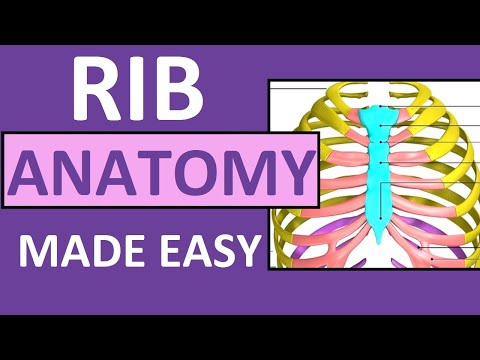
The rib cage is basically like a protective fortress for your heart and lungs. It consists of 24 ribs that curve around to form a dome-like shape. These ribs are divided into three categories:
- True ribs: The first seven pairs are attached directly to the sternum (your breastbone) by cartilage.
- False ribs: The next three pairs are not directly connected to the sternum; instead, they’re linked to each other.
- Floating ribs: The last two pairs don’t attach to the sternum at all—wild, right? They’re “floating” free at the back.
It’s interesting how those floating ribs don’t seem like they’d do much, but they help with movement and flexibility!
Oh, and here’s something cool: the sternum itself has three parts—the manubrium (the handle), body (the main part), and xiphoid process (the tiny tip). Imagine trying to breathe without those pieces; it’d be pretty hard!
The Function of the Rib Cage
Now let’s get into why this whole structure matters so much. First off, it protects vital organs. If you’ve ever taken a hard hit in sports or had someone hug you too tightly, you know what I mean—you really feel how sturdy this cage is!
Also, those ribs are key players in breathing. When you inhale, your diaphragm moves down and your ribcage expands outwards. This creates space for air in your lungs—like blowing up a balloon! Then when you exhale, everything contracts back to normal.
You know what else is fascinating? The rib cage also provides attachment points for muscles involved in respiration and upper body movement. For example:
- The intercostal muscles sit between each rib and help with expanding and contracting during breathing.
- The pectoral muscles attach here too, enabling movements like lifting or pushing things.
Anecdote Time!
Once I had this friend who was super active in sports—running marathons and stuff. One day, she tripped while training and cracked a rib. Ouch! Turns out even a small crack can be super painful because it impacts breathing. She learned first-hand just how essential this structure is for every single breath.
Conclusion?
So there you have it—the rib cage isn’t just some random bones thrown together; it’s an intricate support system that keeps our vital organs safe while allowing us to breathe freely. Pretty neat when you think about it!
You know, the rib cage often seems like one of those things we take for granted. It’s just there, hanging out, protecting our organs and giving us a bit of shape. But when you really start to look at it, it’s actually pretty fascinating how the human rib cage works and what a complex structure it is.
So, think about this for a moment: our rib cage is made up of 24 ribs—12 on each side. These ribs curve around from your back to your front, kind of like a protective dome for your heart and lungs. But they’re not just random bones; they have this intricate arrangement that allows them to do their job while still being flexible enough for breathing. Crazy, right?
Let me tell you a story that kind of puts this into perspective. I remember a time when I was out playing soccer with friends. I went for a big kick and ended up landing awkwardly—thankfully nothing serious happened, but man! That moment reminded me how vulnerable our insides are without the hard shell of the rib cage. It was one of those “whoa” moments where you realize how important every little bone is in keeping us safe.
And here’s the thing — not only does the rib cage serve as armor against all sorts of physical mishaps, it also plays an essential role in our breathing process. When you breathe in, your diaphragm contracts and pulls downwards while your intercostal muscles (those are between the ribs) pull the ribs upwards and outwards. This whole action creates more space in the chest cavity and allows air to fill your lungs! When you exhale? The muscles relax like they’re done working for the day.
It’s kind of wild when you think about how much effort goes into something we do without even thinking about it! The way everything works together—bones, muscles, organs—is like an orchestra playing a symphony that keeps us alive and kicking.
On top of all that, there are different types of ribs too! You’ve got true ribs (the first seven), which connect directly to the sternum; false ribs (the next three), which connect indirectly; and then floating ribs (the last two), which don’t connect at all to the sternum! Each part has its own role, making sure everything fits snugly while still allowing room for movement.
So yeah, next time someone talks about their rib cage or even cracks a joke about breaking a rib or two—just smile knowingly because beneath that surface level humor lies an intricate system that does so much more than meets the eye! Who knew such complexity could be wrapped up in something we might overlook?