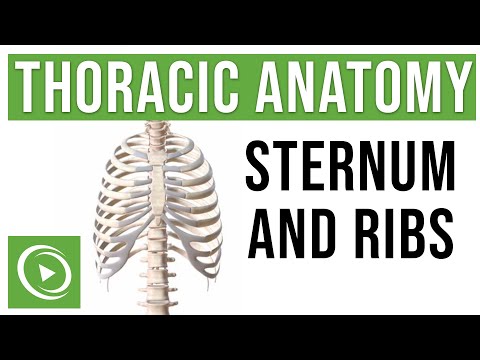
You know that moment when you bump your chest against something and think, “Ouch! Thank goodness for my rib cage!”? Seriously, it’s like our body’s built-in armor.
But have you ever really thought about what’s going on down there? The rib cage is way more than just a bunch of bones keeping your organs safe.
It plays some key roles in breathing and protecting your heart and lungs. Pretty cool, right? Plus, it’s kind of like a puzzle—each rib fits together in its own unique way.
Let’s take a closer look at this fascinating structure. I promise it’s more interesting than you might think!
Understanding Discomfort: Exploring the Organs Associated with Pain Under the Rib Cage in Medical Science
So, let’s talk about the discomfort you might feel under your rib cage. It can be pretty unsettling, right? Pain in that area is super common, and it can come from various organs and issues. Understanding what’s happening there can really help you know what steps to take next.
The rib cage is home to some really important organs. We have the lungs, the heart, parts of the digestive system, and even major blood vessels like the aorta. So, if something goes off with any of these organs, it can send signals of discomfort or pain through your body.
- Lungs: If you’ve got a cough or shallow breathing, it might feel tight under your ribs. Conditions like pneumonia or a lung infection could cause this aching pain.
- Your heart: Heart problems can manifest as pain that radiates around your chest, including under the ribs. For instance, angina can occur when blood flow to your heart is restricted.
- Digestive system: This area also includes your stomach and intestines. Issues like gastritis or acid reflux are notorious for causing discomfort that feels like it’s right there in your ribs. Trust me, I’ve felt that burn myself after a spicy meal!
- Spleen and liver: Both play vital roles in filtering blood and processing nutrients; problems with them can lead to pain too. An enlarged spleen might result in ache because it can push against other tissues.
So basically, when you’re feeling discomfort below your rib cage, it’s often linked to these organs going through some sort of struggle—whether from an infection, inflammation, or something else entirely.
If we look at how pain works: nerve signals tell our brain something’s up—like “Hey! There’s trouble!” But keep in mind that everyone experiences pain differently. For some people, it may be a sharp stab; for others, a dull ache. You follow me?
Sometimes this kind of pain isn’t serious but still requires attention—like when you’ve eaten too much or are stressed out. On other occasions though, especially if it’s persistent or severe, it’s wise to seek medical advice—you know? Better safe than sorry!
In case you’re ever worried about such pains, don’t hesitate to check in with a healthcare provider. They’re equipped to get into the nitty-gritty of what’s happening inside you and find out if something needs fixing down there!
The bottom line? Understanding what lies under those ribs makes navigating discomfort way easier! Pay attention to how you feel; sometimes just being aware helps connect the dots about what’s going on inside.
“Understanding the Structure and Function of the Rib Cage in Human Anatomy”
The rib cage is like your body’s protective fortress, built mainly for two purposes: protection and support. It surrounds vital organs, like your heart and lungs, keeping them safe from all sorts of bumps and scrapes. So let’s break it down a bit more.
Structure of the Rib Cage
Your rib cage isn’t just a random assortment of bones. It’s made up of 24 ribs, arranged in pairs. These are divided into three categories:
- True Ribs: The first seven pairs, directly attached to the sternum (or breastbone) via cartilage.
- False Ribs: The next three pairs aren’t connected directly to the sternum. Instead, they connect to cartilage that links them to the true ribs.
- Floating Ribs: The last two pairs don’t attach to the sternum at all – they’re basically just hanging there.
Have you ever cracked a rib? Ouch! That’s one painful reminder of how fragile this structure can be.
Function of the Rib Cage
Now, what does all this mean for function? Well, aside from protecting your internal organs, the rib cage plays an essential role in respiration. When you breathe in, your diaphragm contracts and pulls downwards. This creates more space in your chest cavity. Your ribs then move up and outwards to expand that space further.
What happens next? Air rushes into your lungs! Then when you exhale, everything relaxes and moves back to its original position. Pretty cool how your body works!
Another neat thing about the rib cage is its stability. It provides points for muscle attachment—muscles that help with moving your arms and shoulders. Ever lifted something heavy? Those muscles are working hard because they’re connected right where those ribs are!
An Emotional Connection
You know, I remember when my friend was recovering from surgery on their rib cage. They had such difficulty breathing at first but soon realized how critical those ribs were—not just for protection but also for life itself. It’s wild how we often take these structures for granted until something goes wrong.
So there you have it—a solid overview of what makes up the rib cage and why it’s vital for our bodies every single day! Isn’t anatomy just mind-blowing?
Understanding Rib Bone Pain: Symptoms, Causes, and Science Behind Sensations
Rib bone pain can be a real drag, right? It often leaves you wondering what’s going on inside your body. So, let’s break it down.
Your rib cage is made up of 12 pairs of ribs, which protect vital organs like your heart and lungs. When you feel pain in this area, it can come from various sources. Sometimes the cause is simple; sometimes it’s a bit more complicated.
- Muscle Strain: One of the most common reasons for rib pain. Overdoing it at the gym or lifting something heavy can strain the muscles around your ribs. You might feel a sharp pain when you move—you’re definitely not alone in that.
- Injury: If you’ve ever taken a hard hit during sports or even just tripped and fell, you could have bruised or fractured a rib. You might notice sharp pain when taking deep breaths or coughing.
- Coughing: It might sound strange, but constant coughing can lead to rib pain too! If you’re sick for a while, those muscles around your ribs get sore from all that action.
- Costochondritis: This is inflammation where your ribs attach to the sternum (the breastbone). It’s not super common but can cause discomfort that feels like it’s coming from your heart. This can definitely freak people out!
- Nerve Issues: Sometimes, conditions like shingles can irritate nerves around your ribs. You might experience sharp or burning sensations in addition to regular pain.
If we talk science for a second, when you feel pain, your nerves send signals to your brain indicating something’s wrong—like an alert system. But sometimes this system gets confused, making you feel discomfort even if there’s no major damage happening.
Anecdote time! My friend once thought he had broken his rib because he felt this intense stabbing sensation during deep breaths after a weekend warrior session at the skate park. Turned out he just had muscle strain! He was sore for weeks but learned his limits about how much he could push himself without paying for it later.
If you’re ever unsure about your rib pain or if it gets worse over time, it’s smart to check in with a healthcare professional. They can help figure out what’s going on—after all, they’ve got the training and tools!
The bottom line here? Your rib cage is tough but not invincible. Knowing how to care for yourself and listen to these warning signals will make all the difference in staying healthy and active!
The human rib cage is one of those things you might not think about often until something goes wrong. I remember when I was a kid, I took a tumble while biking and, oh boy, did I feel that sharp pain in my chest! It turned out to be nothing serious, but it made me curious about what was actually happening there.
You see, the rib cage is like this amazing protective shield for your heart and lungs. It’s made up of 12 pairs of ribs, each connected to the spine at the back and all curving around to meet the sternum (that’s your breastbone). Together, these bones create a sturdy structure that’s both flexible and strong. Pretty cool, right?
Functionally speaking, the rib cage does two major things. First off, it protects vital organs—like your heart from a sudden impact or injury. Think about it: without those ribs in place, our organs would be just hanging out there unprotected! Secondly, it plays an essential role in breathing. When you inhale, your chest expands as the muscles between those ribs pull everything outward. This creates space for your lungs to fill with air. Then when you exhale, those muscles relax and your chest contracts again—like a big balloon inflating and deflating.
But there’s more than just bones at play here. You also have cartilage connecting some of these ribs to the sternum. This cartilage is flexible, which gives us that extra bit of mobility we need while breathing or even just moving around. That flexibility helps keep everything functioning smoothly!
Sometimes people might overlook how amazing our bodies are in their complexity. The rib cage isn’t just a set of random bones; it’s intricately designed for protection and efficiency all at once! So next time you take a deep breath or feel your heartbeat echoing through your chest during some exciting moment—like watching the latest superhero movie—you can appreciate just how remarkable that rib cage really is! And hey—it’s pretty neat that something so fundamental can remind us about our body’s frailty and strength all at once!