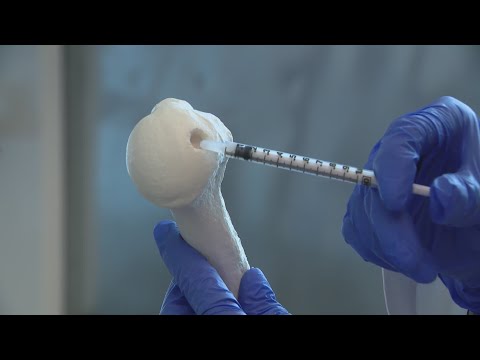
So, picture this: You’re sitting at a coffee shop and overhear someone saying they’re working on a project to grow new skin from scratch. Sounds like something out of a sci-fi movie, right? But here’s the kicker—this stuff is happening in real life!
Cell replacement therapy is one of those mind-blowing advancements we’re seeing in medicine. It’s all about healing and repair, like getting a fresh start for damaged tissues.
Imagine if you could fix your body as easily as swapping out a busted part in your car. Pretty sweet, huh? Well, researchers are hustling to make that happen!
There’s a lot to unpack here—excitement, challenges, and some cool stories along the way. So grab your favorite drink and let’s chat about how far we’ve come in using cells to mend what’s broken!
Exploring Recent Advancements in Cell Therapy: Transforming the Future of Medicine
Recent advancements in cell therapy are reshaping the landscape of medicine in profound ways. This field revolves around using living cells to treat or prevent diseases. You might be thinking, “What’s the big deal?” Well, this approach holds incredible promise for healing and even repairing damaged tissues in our bodies.
First off, let’s tackle what cell replacement therapy really is. Imagine if you could replace damaged or sick cells with healthy ones. This is like swapping out a broken part of a machine for a new one! It’s being used for various conditions like heart disease, diabetes, and even certain types of cancer. Seriously, how cool is that?
One major breakthrough is using stem cells. These are special because they can develop into different types of cells. Think of them as blank canvases that can become whatever you need—a muscle cell here, a nerve cell there. Scientists have been working on ways to harvest these stem cells from various sources such as bone marrow or fat tissue. Then they manipulate them to turn into the specific types of cells required for treatment.
Another fascinating area is gene editing combined with cell therapy. Tools like CRISPR have made it easier to make precise changes to DNA. For instance, imagine correcting genetic mutations that cause disorders right at their source! By combining this with cell therapy, researchers can create “supercells” that not only replace damaged ones but also correct underlying issues.
Now let’s not forget about immune system therapies. This involves taking immune cells from a patient, tweaking them in the lab (sometimes by adding genes), and reintroducing them to fight diseases like cancer more effectively. It’s kind of like training your body’s own troops to fight better. For example, CAR-T therapy has shown great promise for treating certain blood cancers by modifying T-cells to better recognize and attack cancer cells.
The results have been promising! Patients are experiencing remarkable recoveries from conditions once thought untreatable. That said, we’re still facing challenges—like making sure these therapies are safe and effective long-term.
In summary, advancements in cell therapy are transforming medicine into something that feels almost futuristic! Technologies such as stem cells and gene editing hold the key to healing and repair that could revolutionize how we approach various diseases. And every day brings us closer to realizing their full potential!
Exploring the Promise of Stem Cell Treatment: Advances and Future Potential in Science
Stem cell treatment is like a sci-fi dream come true for medicine! Seriously, these tiny powerhouses have the potential to heal and repair our bodies in ways we once thought were impossible. So, let’s break this down a bit, shall we?
First off, what are stem cells? Imagine them as the “jack-of-all-trades” cells in your body. They can turn into different types of cells—think muscle cells, nerve cells, or even blood cells. This unique ability to morph makes them super valuable in cell replacement therapy, which aims to replace damaged or diseased tissues.
Now, you might be thinking: why are they so special? Well, stem cells come from various sources. You’ve got embryonic stem cells, which are like blank slates; they can become any cell type. Then there are adult stem cells—like those found in bone marrow—that have a more specific role but still hold great promise for healing.
One exciting area of research is using stem cells for treating neurodegenerative diseases, such as Parkinson’s. Researchers are working on ways to coax these stem cells into becoming neurons that can replace those lost to disease. How cool would it be if people with Parkinson’s could regain movement and function?
Additionally, scientists have been exploring how stem cell therapy could help with heart disease. If you think about it, when part of your heart is damaged after a heart attack, it causes significant issues. So, researchers are testing how to use stem cells to regenerate heart tissue and potentially restore function. That’s a game-changer!
Another promising avenue is using stem cells for wound healing. Think about soldiers returning from war with severe injuries or burn victims who need extensive recovery. Stem cell treatments can accelerate healing by promoting tissue regeneration and reducing scarring. Just imagine the difference that could make in someone’s life!
But there’s still work ahead! There are challenges like making sure these therapies are safe and effective over time. Also, ethical concerns around embryonic stems have led researchers to look into alternatives like induced pluripotent stem (iPS) cells—basically adult skin or blood cells reprogrammed back into an embryonic-like state.
So yeah, the future potential of stem cell treatment looks bright! Here’s a quick recap:
- Versatility: Stem cells can become various cell types.
- Treatment for neurodegenerative diseases: Research focuses on replacing lost neurons.
- Heart regeneration: Exploring ways to heal damaged heart tissue.
- Wound healing: Accelerating recovery and reducing scars.
- Sustainability: Using iPS cells as an alternative source.
As research advances and we unravel more of this scientific mystery, who knows what’s next? The hope is that one day we’ll see cures for conditions once thought untouchable by medicine—a truly exciting prospect!
Exploring Innovative Treatments for Cell Regeneration: Advances in Regenerative Medicine
One of the coolest things happening in science right now is regenerative medicine. This field focuses on repairing or replacing damaged cells, tissues, or organs. It’s like nature’s way of giving us a second chance. Imagine having the ability to heal a hurt knee or regenerate your heart muscles after a heart attack. Sounds awesome, doesn’t it?
So, let’s talk about some innovative treatments in cell regeneration. First up are **stem cells**. These are special cells that can turn into any type of cell in your body—like a blank canvas! Scientists have been working on harnessing the power of stem cells to treat various conditions. For example:
- Bone Marrow Transplants: This has been around for years and helps people with blood cancers by replacing their damaged bone marrow with healthy stem cells.
- Neuroregenerative Therapies: Researchers are exploring ways to use stem cells to repair nerve damage caused by injuries or diseases like multiple sclerosis.
Then we have **cell replacement therapies**. These involve taking specific types of healthy cells and putting them where they’re needed! Like, say you’ve got damaged heart tissue; scientists might take healthy cardiac cells and inject them directly into the affected area. This could potentially lead to complete repair over time! It’s pretty mind-blowing, right?
But wait, there’s more! Have you heard about **gene editing**? Tools like CRISPR allow scientists to edit genes directly in living organisms. They can fix genetic defects that cause diseases and possibly help regenerate tissues too! Just picture it: being able to zero in on what’s wrong at the genetic level and change it—like fixing typos in a book.
Another area worth mentioning is **3D bioprinting**. This technology lets researchers actually print tissues layer by layer using bio-ink made from living cells. Imagine getting a new organ made just for you… that fits perfectly! They’ve already printed simple structures like skin and cartilage, which is seriously exciting stuff.
Now I’ll share a little story from my own life. A while back, my dog had a torn ligament in his knee—it was heartbreaking to watch him struggle just to get up. He underwent stem cell therapy where they extracted stem cells from his fat (yeah, kind of funny) and injected them back into his knee joint. The result? He rebounded like nothing ever happened! Honestly, it was pretty amazing to see him running again.
So as you can see, regenerative medicine is like stepping into science fiction—only it’s real life! Every advance brings us closer to healing not just injuries but also chronic conditions we thought were untreatable before. Exciting times ahead for sure!
Cell replacement therapy is like something straight out of a sci-fi movie, isn’t it? Imagine being able to replace damaged or diseased cells with fresh, healthy ones. It’s not just a dream anymore—this field has been buzzing with progress lately. Seriously, scientists are making some big strides that can change lives.
Let me share something personal. A friend of mine had a pretty serious knee injury from skateboarding (classic move). He was devastated to hear that surgery might be his only option. But then he heard about this cutting-edge technique where they could potentially use stem cells to help heal his knee instead of going under the knife. It was like a flicker of hope! We often think of healing as this linear process, but cell replacement therapy brings in this exciting and innovative twist.
So what’s the deal with these advancements? Well, stem cells are the stars of the show. They’re like those magical building blocks that can turn into different types of cells in your body when they need to. Scientists have been figuring out how to harness them more effectively for various injuries or diseases—like heart disease, diabetes, or even spinal cord injuries.
Here’s something cool: researchers have discovered ways to coax these stem cells into becoming specific types needed for healing. So instead of just throwing them at an injury and hoping for the best—as you might throw spaghetti at the wall to see if it sticks—they find ways to guide their transformation! Imagine that! This guidance can come from biological signals or even special materials designed to encourage growth where it’s needed.
But let’s hit pause for a second and think about safety and ethics here. The science is amazing but also a bit daunting because we gotta be careful about how we use these powerful tools. There are questions around where we get these stem cells from and ensuring they’re safe for use in humans—like, nobody wants rogue cells causing problems down the line!
As more research rolls out, it really feels like we’re on the cusp of something revolutionary. It’s not just about healing; it’s about repairing lives and giving people second chances—like my buddy who still wants his skateboard days back without being sidelined by pain.
Anyway, I’d say keep an eye on this field if you haven’t already! The future looks promising with cell replacement therapy moving forward as both a scientific breakthrough and a beacon of hope for many seeking healing. It’s kind of inspiring, don’t ya think?