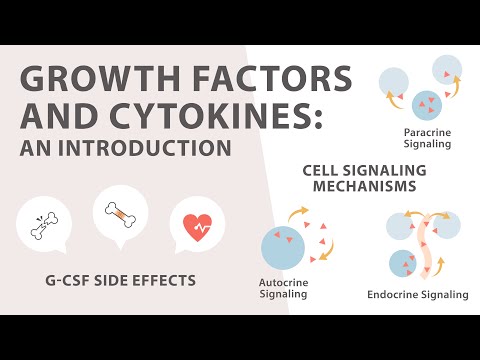
So, picture this: you’re out hiking, having a blast, and then—bam! You trip over a rock and wipe out. Ouch, right? But here’s the thing—a few days later, you start to notice that scrape on your knee getting better all on its own. Magic? Not quite. It’s actually these little things called growth factors doing their job.
Now, growth factors may sound like something straight outta a sci-fi movie, but they’re super real and super important. They’re like tiny messengers in our bodies that help cells grow and heal. So every time you get a cut or bruise, they jump in to save the day.
Ever thought about how cool it is that our bodies can repair themselves? It’s like having an internal team of superheroes working tirelessly behind the scenes. Let’s take a closer look at these growth factors and see how they make our biology even more amazing!
Exploring the Role of Growth Factors in Wound Healing: Insights from Biomedical Research
Wound healing is one of those fascinating processes that show just how incredible our bodies are. When you get a cut or scrape, it’s like your body kicks into gear, pulling out all the stops to repair itself. A big part of that process involves something called growth factors. These are proteins that help regulate how cells grow and divide, and they play a crucial role in healing.
So, what’s the deal with growth factors? Well, they act like messengers for cells. Think of them as the friendly neighborhood guides, telling cells when to show up and what to do. When you have a wound, growth factors swoop in to kickstart healing by encouraging new blood vessels to form and stimulating skin cells to multiply.
Here are some key points about their role:
Now, let’s not forget about how these factors speed things along. Picture this: when I was younger, I got a gnarly scrape on my knee while biking downhill way too fast. My knee swelled up and turned all sorts of colors—classic junior high adventure! But within days, it started to heal, thanks in part to growth factors working their magic behind the scenes.
You see, growth factors don’t just appear out of nowhere—they’re often released from platelets when you get hurt! Injured tissues release signals that attract these platelets which then release various growth factors right into the mix.
Research has also shown some pretty cool stuff about how manipulating these growth factors can do wonders for healing. Scientists are looking into ways we could harness this power—for instance:
The exciting part is that ongoing biomedical research keeps unveiling new ways we can understand and use these powerful molecules. Exploring how they work not only sheds light on wound healing but opens doors for advanced treatments in medicine too!
So next time you’re nursing a little injury or even just pondering how your body works its magic after a boo-boo—you can give a nod to those tiny but mighty growth factors. They’re quietly doing their job behind the scenes while we go about our lives (and biking adventures). Cool stuff, huh?
Exploring the Four Key Growth Factors in Scientific Research and Development
Alright, let’s roll up our sleeves and dig into this fascinating world of growth factors. Seriously, they’re like the little heroes in our bodies that help with healing and repair. You know how when you scrape your knee, it eventually heals? Well, growth factors are a big part of that story!
What Are Growth Factors?
So, growth factors are basically proteins that act like signaling messengers. They tell cells what to do—like when to grow, divide, or even start healing. Imagine them as little coaches guiding the players on a team. Without them, the whole process could fall apart.
1. Cell Proliferation
This is all about how cells multiply. When there’s an injury or wound, growth factors zoom in to stimulate cell division so that new cells can replace the damaged ones. For example, **platelet-derived growth factor (PDGF)** comes into play right after an injury to get things moving along.
2. Cell Differentiation
Now here’s where things get even more interesting! Differentiation is like choosing a path in life for your cells. Some might become skin cells while others might take a route to become muscle cells. **Fibroblast growth factor (FGF)** is key here; it helps different types of cells mature into their specialized forms to effectively fix what needs fixing.
3. Angiogenesis
Okay, here’s a cool term for you: angiogenesis! It’s just a fancy word for the formation of new blood vessels. Why does this matter? Well, when you injure yourself, your body needs fresh blood supply to bring in nutrients and oxygen for healing—kind of like delivering pizza but way more important! **Vascular endothelial growth factor (VEGF)** is instrumental in this process.
4. Tissue Repair and Regeneration
Finally, we have the grand finale: tissue repair! This is where everything comes together after an injury heals up nicely thanks to those growth factors doing their magic dance. For instance, **transforming growth factor-beta (TGF-β)** plays a vital role in scarring and tissue repair by signaling fibroblasts—the builders of connective tissue—to do their thing.
So there you have it: four key areas where these incredible little proteins work behind the scenes in scientific research and development related to healing and repair! It’s wild how something so small can make such a big difference in our lives!
Exploring Key Growth Factors in Science: Prominent Examples and Their Impact
When we talk about growth factors, we’re diving into a cool and complex aspect of biology. These are basically proteins that play a massive role in the way cells grow, divide, and heal. Imagine them as little messengers, telling your cells what to do and when to do it. So, let’s explore some key growth factors and see how they impact healing and repair.
First up, there’s the Epidermal Growth Factor (EGF). This one’s like the superstar of skin repair. It helps cells in the skin multiply and migrate to cover wounds. Think about when you scrape your knee as a kid. EGF is there, doing its thing to help your skin bounce back faster. Pretty neat, right?
Then we have Platelet-Derived Growth Factor (PDGF). You can find this guy hanging out in platelets—those little components of your blood that help with clotting. When you get hurt, PDGF zooms to the rescue by attracting more cells to the injury site, promoting healing. It’s like a cheerleader getting everyone together for a pep rally.
Vascular Endothelial Growth Factor (VEGF) also deserves a shoutout. This one’s all about blood vessels! VEGF helps create new blood vessels from existing ones—a process called angiogenesis. Why does this matter? Well, imagine you’ve got an injury that needs nutrients and oxygen to heal. VEGF steps in and helps make sure those vital supplies can reach damaged tissues.
Transforming Growth Factor-beta (TGF-β), now that’s another heavy hitter. This protein is multifunctional—it can promote cell growth but also inflammation and even scar tissue formation! So when your body is healing after an injury or surgery, TGF-β balances everything out like a tightrope walker trying not to fall over.
The impacts of these factors are huge! Like seriously—when doctors use them in treatments, they can speed up recovery from surgeries or injuries dramatically. Just think about it: using natural proteins from your body to help heal itself? That’s pure science magic.
Now let’s talk a bit about Fibroblast Growth Factor (FGF). FGFs are involved in many processes beyond just healing; they’re key for bone development and wound healing too! So when your body experiences trauma, FGFs jump into action helping repair tissues not just on the surface but deeper down where it’s needed most.
The overall takeaway? These growth factors are essential players in biology not just because they help us heal but also because understanding them can lead to advanced medical therapies in regenerative medicine or treatment for chronic wounds.
If you’re ever feeling amazed at how quickly a cut heals or how resilient our bodies can be after injuries—that’s largely thanks to these remarkable growth factors working behind the scenes!
Alright, let’s chat about growth factors in biology. So you know how when you get a cut, your body basically springs into action to heal itself? It’s pretty impressive! Well, growth factors are like the behind-the-scenes heroes making all of that happen.
These little proteins are crucial for our cells. They help them grow, divide, and essentially do their jobs better. Imagine them as coaches encouraging the players to give their best on the field. When a wound occurs, these factors jump in and tell cells to start multiplying and repairing tissue. It’s like having a pit crew at a race, ensuring everything runs smoothly after a bump on the track.
There’s this personal story I have that really hits home on this topic. A few years back, my best friend had this gnarly accident while hiking—tumbled down a rocky slope and ended up with some wicked cuts and scrapes. We were all worried sick! But what amazed me was watching him heal over time. It was almost mesmerizing how his skin began to repair itself so efficiently. That healing process is largely thanks to growth factors and how they communicate with surrounding cells to orchestrate recovery.
And it’s not just about healing cuts or bruises either! Growth factors play a role in everything from muscle development to even brain function. They help our bodies adapt and recover from various stressors throughout life, which is kind of beautiful if you think about it.
So what’s the takeaway? Growth factors are these essential players in biology that not only aid in healing but also keep our bodies functioning properly. Next time you get a scrape, just remember: there’s more going on beneath the surface than meets the eye! Your body has its own little team working around the clock to make sure you bounce back better than ever. Isn’t nature neat?