So, I was chatting with a friend the other day, and they said, “If I have to hear one more thing about global warming, I’m gonna lose it!” And I totally get that! It can feel overwhelming sometimes.
But here’s the thing: this stuff really matters. Like, imagine you’re boiling water for pasta. You know how it starts with that little steam? Well, global warming is like turning up the heat way too high—things start to get outta control.
You see, global warming isn’t just some far-off problem. It’s happening right now! Like an uninvited guest at a party who just won’t leave. We’re talking rising temperatures, melting ice caps, and wild weather patterns that are just straight-up bonkers.
So what’s behind all of this? What are the sneaky culprits contributing to the chaos? Let’s break it down together and see why it’s not just another boring science lecture—it’s our world we’re talking about!
Unraveling the Causes of Global Warming: Insights from Climate Science
Global warming is a hot topic—literally! It refers to the long-term rise in Earth’s average surface temperature due to human activities. Yeah, it’s kind of a big deal.
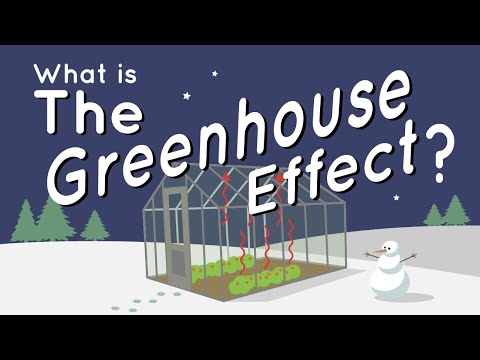
So, what’s causing all this? Well, first up are greenhouse gases. These little guys trap heat in the atmosphere. Think of them like a blanket that keeps you warm at night. But if that blanket gets too thick, it can actually make things uncomfortably hot.
- Carbon Dioxide (CO2): This is the main culprit. When we burn fossil fuels like coal, oil, and natural gas for energy, CO2 is released. It’s like pouring soda into a glass; if you keep pouring without stopping, it overflows! The more CO2 we emit, the more heat gets trapped.
- Methane: This one’s even more potent than CO2—about 25 times better at trapping heat over a 100-year period! Methane comes from livestock (hey cow farts), landfills, and natural gas production. So yeah, every burger counts!
- Nitrous Oxide: Released from agricultural and industrial activities and also from burning fossil fuels. It might not be as famous as methane but is still significant when it comes to warming.
But hold up! Greenhouse gases aren’t the only players in this game. Deforestation contributes too—less trees mean less CO2 absorption. You know how trees act like Mother Nature’s sponges? Well, when we chop them down for lumber or agriculture, we’re making our planet sweat more.
You’ve probably felt some of these impacts already: hotter summers, intense storms, melting ice caps… None of these things sound too fun or cozy. Remember that summer when everything seemed just a bit unbearable? Yeah, that’s connected!
Climate feedback loops also play their part—these are processes that can amplify warming. For instance:
- If ice melts in polar areas (which it does), less sunlight is reflected back into space because now there’s dark ocean or land instead of shiny ice. This leads to even more warming!
- The thawing of permafrost releases methane trapped underground; see where this is going?
It’s pretty much a chain reaction! And honestly? That can sound overwhelming at times.
This isn’t just about numbers on some fancy report; it’s your backyard feeling hotter or your favorite beach disappearing before your eyes. Climate scientists are constantly studying these factors to figure out how we can slow down this process and save our planet.
The thing is—every little action counts! Whether it’s switching off lights to save energy or opting for public transport instead of driving alone, you’re part of this big picture too!
So yeah, while unraveling global warming isn’t easy peasy lemon squeezy—it requires understanding its many layers and causes—but being aware is the first step toward making those changes happen!
Exploring the Top 10 Causes of Climate Change: Insights from Environmental Science
Exploring the Scientific Impacts of Global Warming: A Comprehensive Analysis
Global warming is like that annoying friend who keeps getting more and more in your face. It’s caused mainly by human activities, and it’s changing our planet in some pretty intense ways. Basically, when we burn fossil fuels or cut down forests, we pump tons of greenhouse gases (like carbon dioxide) into the atmosphere. These gases trap heat from the sun, which is why we’re feeling the heat more than ever.
So, let’s break this down a bit. Here are some major impacts of global warming:
Rising Temperatures: One of the most noticeable effects is higher temperatures. Across the globe, average temperatures have risen by about 1.2 degrees Celsius since the late 19th century. Just think about how many hot days that adds up to!
Melting Ice: The polar ice caps are melting faster than ice cream on a summer day! This melting contributes to rising sea levels, which is a problem for coastal communities everywhere.
Sea Level Rise: As ice melts and oceans warm up, water expands. This means cities like Miami and New York could face more flooding if we don’t get serious about climate change.
Extreme Weather Events: You’ve probably noticed that storms are becoming wilder and more unpredictable—hurricanes hitting harder than before or wildfires burning larger areas than usual. Global warming makes these events not only more frequent but also more intense.
Ocean Acidification: The oceans absorb a good chunk of carbon dioxide from the atmosphere—about 30% of what we emit. But this process is changing ocean chemistry, leading to acidification that harms marine life like coral reefs and shellfish. Imagine colorful reefs fading into grey!
Now let’s talk about what causes all this global warming stuff:
All these factors link together in this tricky web—like trying to untangle your headphones after they’ve been in your pocket for too long!
But you know what gets me? It can feel overwhelming at times! Like how do we even start tackling such a massive issue? Well, it starts with awareness and action at all levels—individuals making changes, communities advocating for sustainable practices, nations committing to reducing emissions.
So yeah, global warming’s impacts are real—and they’re significant! If we work together smartly and responsibly now, maybe we’ll leave behind a better world for future generations instead of an oven on high settings!
You know, thinking about global warming can feel a bit overwhelming, right? I mean, we’re talking about the entire planet heating up! It wasn’t until I watched a documentary the other night that the seriousness of it all really hit home for me. They shared this heartbreaking story of polar bears struggling to find ice to rest on. I felt this weird mix of sadness and urgency. Like, wow—this is happening now.
So, let’s break down what’s going on with global warming without getting too bogged down in jargon. The thing is, it’s mostly about greenhouse gases. You’ve heard of these before—carbon dioxide (CO2), methane (CH4), and nitrous oxide (N2O). They’re like those clingy friends at a party who just don’t want to let go. These gases trap heat from the sun in our atmosphere—kind of like wrapping your favorite sweater around you on a hot day, but instead of being cozy, things get uncomfortable really fast.
One big factor contributing to this mess is human activity. Our reliance on fossil fuels—coal, oil, and natural gas—is majorly cranking up CO2 levels. Think about driving your car or using electricity; every time you flip that light switch or gas up your car, it’s like adding another layer to that cozy blanket we didn’t ask for.
Deforestation plays a role too! Trees are pretty awesome friends when it comes to fighting climate change because they absorb CO2. But when we cut them down for agriculture or urban development? Well, that just adds more carbon back into the atmosphere.
And let’s not forget about agriculture itself! Livestock farming releases a ton of methane—a gas that’s way more potent than CO2 over short periods—and fertilizer use sends nitrous oxide levels skyrocketing.
It all sounds pretty dire, right? But here’s where it gets interesting. Scientists are constantly working on solutions and technology to combat this issue; things like renewable energy sources—solar panels and wind turbines—that provide cleaner alternatives. And you know what? We have power as individuals too! Simple choices in our daily lives can help: using public transport when possible, minimizing waste, or even just being conscious of what products we buy can have an impact.
It might feel like an uphill battle sometimes—like trying to push a boulder uphill solo—but every little effort counts. And just remembering that we’re all in this together makes me feel slightly better about it all! So next time you hear someone talking about global warming, maybe you’ll think back to those polar bears or even your role in pushing the boulder just a bit further up the hill!