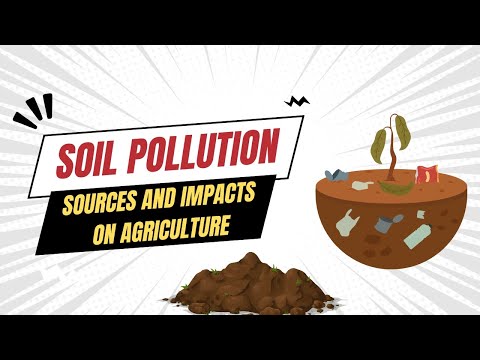
You know how when you step into a garden, and the soil smells rich and fresh? It’s like nature’s perfume, right? But sometimes, that beauty hides some pretty nasty stuff.
Imagine this: you’re digging in your backyard. You find an old toy or maybe a rusty can. But wait, what if that can is oozing with something toxic? Yikes! Soil contamination isn’t just some science-y term; it’s a real problem that affects all of us.
So, what’s going on? Well, there are some key players in this dirty drama. From chemicals to waste dumping, it gets messy pretty fast. And trust me, the consequences can be serious—not just for plants or critters but for human health too.
Curious about what makes soil go bad and why we should care? Stick around; it’s more interesting than it sounds!
Unveiling the Key Causes of Soil Contamination: Insights from Environmental Science
Soil contamination is like that uninvited guest at a party, you know? It sneaks in and messes everything up. The reasons behind it can be pretty varied, but they all lead to some serious consequences for us and the environment.
One major cause is industrial activities. Factories often release harmful substances into the ground. We’re talking about heavy metals, chemicals, and other nasty stuff. Think of places near manufacturing plants—soil there can end up polluted with things like lead or mercury. That’s super dangerous for plants and animals living nearby!
Another culprit? Agricultural practices. Farmers sometimes use chemical fertilizers and pesticides to boost crop yields. But when it rains, these chemicals can wash away into the soil, or even seep into groundwater. Imagine growing vegetables sprayed with harmful substances! Not great for your health, right?
Then we have waste disposal. Landfills are like ticking time bombs. All that rubbish can leach harmful chemicals into the soil over time. Ever heard of “leachate”? It’s basically a toxic soup that forms from decomposing waste and seeps out, contaminating everything around it.
Urbanization also plays a role in soil contamination. As cities expand, natural land gets replaced with concrete jungles. This messes with how water flows and increases runoff during storms, which can carry contaminants from roads or industrial sites straight into the ground.
And let’s not forget about oil spills. They’re not just an ocean problem! When oil leaks onto land from pipelines or storage tanks, it seriously messes with soil health. It harms organisms that help keep our ecosystems balanced.
The thing is, when soil gets contaminated, it’s not just about dirt being dirty. The consequences are far-reaching. Contaminated soil can reduce crop yields because plants struggle to grow in toxic environments. And if we eat those crops? You see where I’m going with this—it directly affects our health!
Plus, soil contamination leads to loss of biodiversity. Microorganisms that help break down organic matter die off when exposed to toxins. It’s like throwing a monkey wrench into nature’s machinery.
So yeah, there’s a lot going on beneath our feet that’s crucial for life as we know it! Keeping an eye on these causes and finding ways to prevent them is super important if we want future generations to enjoy healthy soils—and healthy food!
Exploring the Causes and Consequences of Soil Degradation in Environmental Science
Soil degradation is a real bummer, right? It’s this gradual process that slowly takes the life out of what should be a vibrant and healthy ecosystem. So, let’s break it down a bit.
First off, what causes soil degradation? Well, there are some big players in this game:
- Deforestation: Cutting down trees isn’t just about losing pretty landscapes. It strips the land of roots that hold the soil together and helps to prevent erosion.
- Agricultural practices: Using chemical fertilizers and pesticides can lead to nutrient runoff and kill beneficial microorganisms. Overworking the soil also chokes its natural structure.
- Urbanization: As cities grow, soil gets covered by concrete and asphalt. This not only seals it but also increases runoff during rain, which washes away topsoil.
- Climate change: Changes in temperature and precipitation patterns can lead to increased droughts or flooding, both of which harm soil health.
And you might be wondering, “Why should I even care?” Well, because the consequences are kind of serious.
The consequences of soil degradation can hit hard:
- Nutrient loss: When soil gets degraded, it loses essential nutrients like nitrogen and phosphorus. Without these nutrients, plants struggle to grow—and we all know how much we depend on them for food!
- Erosion: It’s like watching your backyard slowly wash away after every rainstorm. Erosion removes that vital upper layer of soil where most nutrients are found.
- Biodiversity decline: Healthy soils support a diverse range of organisms from worms to microbes. When soils degrade, many of these little critters disappear—changing ecosystems forever.
- Poor water quality: Runoff from degraded soils can carry pollutants into rivers and lakes—killing fish and making water unsafe for drinking.
You know what’s really heartbreaking? I remember visiting this lush farm once where everything looked so alive—until I learned they used some pretty harsh chemicals without caring for their long-term effects on the land. Like years later, that same farm was struggling just to produce anything!
Soil degradation is not just an environmental issue; it’s interconnected with our health and economy too. We’re not talking about a distant problem; it’s happening now around us.
Looking ahead? Addressing this issue means adopting more sustainable farming practices—like crop rotation or organic fertilizers—that give back to the earth instead of taking away from it.
So yeah, if we want healthy food systems and clean water in the future (and who doesn’t?), understanding what causes soil degradation is crucial! Let’s give our soils some love—they deserve it!
Identifying Key Factors in Soil Contamination: A Scientific Analysis
Soil contamination is a pretty serious issue, and it’s not just a science project topic. It affects the food we eat, water we drink, and even the air we breathe. When you think about soil, you might picture a cozy garden or a park, but it can actually be a dumping ground for all kinds of nasty stuff.
One of the key factors behind soil contamination is **industrial activity**. Factories and plants often discharge pollutants directly into the land. You have heavy metals like lead and mercury or organic compounds leaking from storage tanks. Picture this: an old factory site where chemicals seeped into the ground over years. The soil becomes literally toxic.
Another big culprit? **Agricultural practices**. Farmers use pesticides and fertilizers to keep crops healthy, which sounds great, right? But when it rains or during irrigation, these chemicals wash into the soil and can alter its natural balance. Imagine growing veggies in soil that’s loaded with harmful residues—yikes!
Urbanization plays its part too. As cities grow, natural land is replaced with concrete jungles. Construction sites kick up dust full of pollutants that settle into nearby soils. Sometimes waste from these projects—think leftover paint or solvents—ends up illegally dumped.
And here’s something to think about: **landfills** aren’t just holding trash; they can be real sources of soil pollution too. Over time, things break down and release leachate—a toxic soup that seeps into surrounding soils.
Also on this list are **waste disposal practices** that many folks overlook at first glance. Stuff like improper disposal of batteries or electronics can lead to heavy metals contaminating the ground.
Let’s talk about some consequences now because they’re pretty dire! Contaminated soil can harm local wildlife—it disrupts ecosystems in ways we might not even realize at first. And don’t forget human health; exposure to contaminated soil can lead to serious conditions like cancer or reproductive issues.
Not just that! If crops are grown in polluted soils, those toxins can end up on our dinner plates without us knowing it! That’s some alarming stuff when you think about it.
In summary, identifying key factors behind soil contamination is crucial for creating solutions to protect our environment and health alike:
- Industrial Activity: Discharges pollutants directly.
- Agricultural Practices: Chemicals wash into the earth.
- Urbanization: Construction sites introduce dust pollutants.
- Landfills: Leachate alters natural balance.
- Waste Disposal Practices: Can introduce heavy metals.
Being aware of these factors helps in taking action to reduce contamination levels and preserve our soils for future generations!
Soil contamination, huh? It’s one of those things that kinda creeps up on us and doesn’t always get the attention it deserves. You know, like the time I found out my childhood favorite park was built on an old landfill. That hit me hard! I mean, we played there, had picnics, and built forts without a clue about what was beneath our feet.
So, soil contamination is basically when harmful substances — think chemicals, heavy metals, or even plastics — make their way into the ground. There are a bunch of reasons why this happens. For starters, farming plays a huge role; pesticides and fertilizers can stick around longer than you’d think. When they wash off into the soil after rain or leach through over time, they can really mess things up.
Urban areas are another big culprit. Construction sites often leave behind all sorts of nasty materials that seep into the ground. And let’s not forget about industrial waste! Factories sometimes cut corners and end up dumping hazardous materials in places they shouldn’t be. It’s honestly a bit scary to think about how close we are to it all.
But here’s where it gets really serious: the consequences of this contamination can ripple out in ways you might not expect. Soil isn’t just dirt—it’s a living ecosystem! When it gets poisoned, the plants that grow there can absorb those toxins. That means contaminated veggies land right on our dinner plates! Plus, if it rains heavily or there’s flooding, these harmful substances can leach into groundwater sources or nearby rivers, affecting drinking water for everyone.
I remember chatting with a friend who was super passionate about gardening. She went on about how important healthy soil is for her plants—and honestly for us too! Without clean soil, we’re compromising our food supply and health without even realizing it.
In short (and maybe to sum it all up?), soil contamination is both a hidden threat and a huge responsibility we all share. We need to keep an eye on our environment because once that dirt gets tainted, cleaning it up is no walk in the park; it takes time and money—and sometimes just doesn’t happen at all. So next time you’re outside enjoying nature or planting something new in your garden, remember there’s more going on underground than meets the eye!