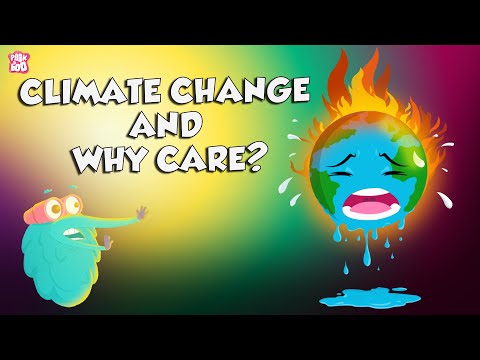
You know, I was recently watching this documentary about the climate, and there it was—a polar bear, floating on a tiny ice chunk, looking like it just wanted a cozy blanket and some hot cocoa. It got me thinking about how much our planet is changing.
Seriously, the weather has become a rollercoaster ride lately. One day it’s freezing, then boom! You’re sweating like you just ran a marathon. So what’s going on?
Well, climate isn’t just one thing; it’s like this big jigsaw puzzle with missing pieces. There are so many factors at play—some natural and some totally caused by us. It can feel overwhelming, but don’t worry! We’re gonna break it down together.
So, grab your favorite drink and let’s chat about what shapes our climate. You might even learn something that makes you go “huh!” or “wow!” Who knows?
Exploring the 5 Key Factors Influencing Climate Change: A Scientific Perspective
Climate change is one of those topics that can make your head spin. But if we break it down into five key factors, it’s easier to understand. Let’s get into it, shall we?
1. Greenhouse Gases
One of the main culprits behind climate change is greenhouse gases. These gases, like carbon dioxide (CO2) and methane (CH4), trap heat in the atmosphere. Imagine wrapping yourself in a thick blanket on a summer day—it gets hot fast! Human activities, such as burning fossil fuels for energy and deforestation, pump these gases into the air. In fact, since the Industrial Revolution, we’ve seen CO2 levels rise significantly.
2. Deforestation
Next up is deforestation. Trees are like nature’s air filters; they absorb CO2 and give us oxygen in return. When forests are cut down for agriculture or urban development, not only do we lose this natural filter, but also the stored carbon gets released back into the atmosphere. Heartbreaking, huh? Countries like Brazil have seen massive deforestation in places like the Amazon rainforest.
3. Land Use Changes
So what about land use changes? This refers to how we alter landscapes for farming, building cities, or even just changing what types of crops we grow. When you convert a wild area to farmland or a city block, you’re impacting local ecosystems and releasing more greenhouse gases. Have you ever seen a city where nature used to be? It’s astonishing how quickly land can change!
4. Industrial Processes
Then there’s industrial processes. Factories produce not just goods but also emissions that contribute to climate change. Think about cement production—it’s vital for construction but releases a ton of CO2 during its creation process. Imagine all those buildings being made with methods that are usually not eco-friendly!
5. Natural Factors
Lastly, we can’t forget about some natural factors. Things like volcanic eruptions and ocean currents influence our climate too! Volcanic eruptions can spew ash and gases into the atmosphere that might cool things down temporarily but ultimately contribute to long-term changes in weather patterns.
So yeah! While human activity plays a huge role in fueling climate change through these five key factors—greenhouse gases, deforestation, land use changes, industrial processes, and natural factors—it’s clear that we need to pay attention and maybe rethink how we interact with our planet.
If nothing else, let this serve as a reminder that every little bit counts when it comes to helping our Earth breathe easier!
Understanding the Scientific Consensus on Climate Change: Insights from Environmental Science
Climate change is one of those topics that can feel overwhelming. You know? There are so many opinions swirling around, but let’s break it down to what scientists really agree on.
First off, the scientific consensus on climate change is pretty strong. The overwhelming majority of climate scientists agree that human activities are a significant driver of recent climate change. This isn’t just a few researchers saying this—it’s thousands contributing to extensive studies and reviews.
So, what’s happening? Here’s the thing: Greenhouse gases, like carbon dioxide (CO2) and methane (CH4), trap heat in our atmosphere. When you burn fossil fuels—think oil, coal, and gas—these gases build up. That leads to an increase in global temperatures. Seriously, the planet is getting warmer, and we can trace much of it back to our habits.
And let’s not forget about other factors influencing our climate:
- Deforestation: Trees naturally help regulate CO2 levels. When we chop them down, less CO2 is absorbed.
- Agriculture: Certain farming practices release greenhouse gases into the air.
- Industrial activities: Many manufacturing processes emit pollutants that further contribute to warming.
So why do experts care so much about this? Well, for starters, it affects everything from weather patterns to sea levels. Just think about those wild storms or rising oceans you’ve heard about! Scientists study these factors closely because they predict changes in ecosystems—like shifts in where animals live or how crops grow.
A quick story comes to mind: A few years back, I chatted with a friend who works at an environmental organization. She was all fired up after visiting a coastal town where rising seas were swallowing the beach! It was heartbreaking hearing her describe people having to abandon their homes because of something as sneaky as temperature rise!
To put it simply: Climate change isn’t just a future problem; it’s impacting lives now! When scientists talk about climate action, they’re not just throwing around jargon—they’re advocating for solutions like renewable energy sources and better land use practices.
In essence, understanding the scientific consensus on climate change helps us grasp how interconnected everything really is—from human behavior to natural systems. It shows us that every little bit counts when it comes to making a difference for the planet we call home!
Exploring the Scientific Causes of Climate Change: A Comprehensive Analysis
Alright, let’s talk about climate change. It’s one of those topics that can feel super overwhelming, but if we break it down a bit, it’s not so scary. Basically, climate change refers to long-term shifts in temperatures and weather patterns. While the Earth has gone through natural cycles over millions of years, what we’re seeing now is largely influenced by human activities. So, let’s dive into the nitty-gritty!
Greenhouse gases are a big part of the story. You’ve probably heard of them—carbon dioxide (CO2), methane (CH4), and nitrous oxide (N2O) are some main culprits. These gases trap heat in the atmosphere like a giant blanket. It’s nice to stay warm, but when there’s too much heat being trapped, we start to have problems.
So where do these greenhouse gases come from? Well:
- Fossil fuels: When we burn coal, oil, and gas for energy—like for powering our cars or heating our homes—we release CO2.
- Agriculture: Believe it or not, farming is a significant source of methane. Cows produce methane during digestion (yup, it’s from burps!) and when organic waste decays.
- Deforestation: Trees absorb CO2 as they grow. When we cut them down for land or wood products, not only are we losing that absorption power but also releasing stored carbon back into the atmosphere.
The increase in these gases means more heat gets trapped on Earth—this is known as the greenhouse effect. It leads to warmer temperatures globally and even causes some pretty wild weather patterns like hurricanes or intense heat waves.
Another factor is land use changes. Ever notice how cities seem to absorb heat? Concrete and asphalt don’t cool off at night like forests do; this phenomenon is called “urban heat island effect.” When you replace green spaces with buildings or roads, temperatures can rise significantly.
You might have heard about ocean acidification, too. As CO2 levels rise in the atmosphere, oceans absorb some of it and become more acidic. This change affects marine life—think coral reefs struggling to survive because their calcium carbonate structures dissolve in acidic waters.
A cute story comes to mind: I once visited a friend who lived near a coral reef. The colors were stunning! But on my last visit years later? The reef was bleached out—coral dying due to rising ocean temperatures and acidification. It was heart-wrenching! Those changes affect entire ecosystems; fish populations decline and local communities relying on fishing struggle too.
The science shows that climate change isn’t just about temperature; it’s about how all these factors interact with each other—and us! Extreme weather events are becoming more common because of this warming world. More floods here; hotter droughts there—it’s like nature’s throwing a tantrum!
This may sound daunting—but here’s where hope kicks in: acknowledging these scientific causes means we can find solutions! Reducing greenhouse gas emissions through renewable energy sources like solar or wind power gives us a chance at making things better.
The bottom line is: understanding what shapes our climate helps us navigate through these challenges together. So while it feels heavy sometimes thinking about all this stuff impacting our planet… just remember—you can make choices daily to help! Like choosing public transport over driving alone… every little bit counts!
You know, when you really start to think about climate and all the mess we hear about it, it can get super overwhelming. I mean, there’s just so much going on! It’s like when you walk into a crowded room and everyone’s talking at once – where do you even begin?
So, let’s break it down a bit. First off, there are natural factors that have always shaped our climate. Stuff like volcanic eruptions, which can spew ash and gases into the atmosphere, cooling things down for years. It’s wild to think about how Mother Nature throws a curveball every now and then.
But then you have human activities throwing everything off balance too. When I was a kid, I remember my grandmother telling me stories about how different the air used to smell before cars became common. That kind of hit home for me – it made me realize just how much we’ve changed the planet with things like fossil fuel burning and deforestation. We’ve been pumping greenhouse gases into the air like it’s our job! You follow me?
Speaking of greenhouse gases – they’re pretty notorious for trapping heat in the atmosphere. It’s kind of like wrapping yourself in a warm blanket on a chilly night… only if that blanket never comes off! That’s where things get tricky because this warming can lead to crazy weather patterns—more storms here, droughts there… And sometimes it feels like we’re just along for the ride without much control.
Then there are those subtle forces we don’t think about as much – ocean currents and solar cycles being prime examples. They work behind the scenes but play such a massive role in regulating our climate and weather patterns.
And look, while it’s easy to feel helpless thinking about these factors, there’s still hope! Our understanding of climate science is growing every day. We can make choices that help – whether it’s small stuff like recycling or larger movements towards renewable energy sources.
At the end of the day, getting our heads around this whole climate thing is crucial because it shapes everything we know: from what crops people grow in different regions to how we deal with nature during extreme weather events. So yeah, every little bit matters when we’re talking about keeping this planet habitable for everyone—now and way down the line!