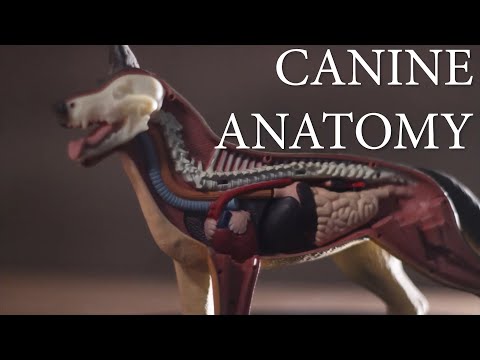
You know how dogs can just go from zero to a hundred in seconds? One minute they’re snoozing on the couch, and the next, they’re sprinting after a squirrel like it’s the last treat on earth. But have you ever thought about what makes that kind of crazy speed possible?
That’s where their bones come in. Seriously! Those things are like nature’s very own engineering marvels. Each bone’s got a job, working together to keep your furry friend moving and grooving.
So let’s take a little stroll through canine bone anatomy. You might just find yourself looking at your pup in a whole new light—like, wow, thanks for all those jumps and fetches!
The Science Behind Selecting the Healthiest Dog Bones: A Comprehensive Guide for Optimal Canine Nutrition
So, let’s talk about dog bones. You know, the kind you give to your furry friend as a treat? Selecting the healthiest ones is more than just picking the prettiest package off the shelf. There’s actually some cool science behind it that can help you make the best choice for your pup.
First off, let’s get into canine bone anatomy. Bones are made up of several layers. The outer layer is called the cortex, which is super hard and strong. Inside that, you’ve got spongy bone tissue that provides strength without being too heavy. And then there’s bone marrow, where blood cells are made. This structure is vital for your dog’s health because strong bones support their entire body!
Now, onto nutrition… Bones aren’t just empty goodies. They can provide important nutrients! Here are some key points to consider:
- Calcium: This mineral is essential for strong bones and teeth. Just like in humans, a lack of calcium can lead to some scary health issues.
- Phosphorus: It works with calcium to keep those bones healthy. Too much or too little can cause problems.
- Protein: Some dog bones have added protein sources like meat or fish which can be great for muscle maintenance.
- Flavoring and additives: Always check if what you’re buying has unnatural flavors or preservatives—it might not be good for your pet!
Also, don’t forget about **size** and **texture** of bones! Bigger dogs need bigger bones; it seems obvious but you’d be surprised how many folks overlook that! If a tiny dog chews on a large bone meant for big breeds, they might choke or break their teeth.
And here’s where it gets interesting: Did you know some types of bones are better than others? Raw bones are often touted as healthier options compared to cooked ones. When cooked, bones can splinter easily and become dangerous! Raw meaty bones are softer and help with dental health by scraping off plaque naturally.
You may remember that time your friend shared how their dog had an upset stomach after chewing on one of those rawhide treats? That’s because they’re often difficult for dogs to digest fully—it can lead to blockages! So watch out for those.
If you’re ever unsure which bone might be best suited for your doggo’s needs—or if they have specific dietary restrictions—chatting with your vet is a good plan. They’ll know what works best based on factors like age, size, and overall health.
In sum, when picking out healthy dog bones:
- Look at nutritional content: Calcium and phosphorus matter!
- Choose raw over cooked whenever possible.
- Ensure it’s safe based on size and texture.
- Avoid artificial flavors or preservatives.
Taking these points into account will surely boost your pup’s happiness (and health) when treat time comes around! Your fur buddy will thank you later with plenty of tail wags!
Understanding Canine External Anatomy: Essential Insights for Veterinary Science and Animal Care
So, let’s chat about canine external anatomy, shall we? This topic is super important for anyone interested in veterinary science or just wanting to take better care of our furry pals. Knowing how a dog’s body is put together helps us understand what they’re feeling and how to keep them healthy.
First off, dogs have some really unique features. Their bodies are designed for various activities like running, jumping, and sniffing. The most noticeable parts of a dog’s external anatomy include their head, limbs, and tail. These parts not only help with mobility but also play a significant role in behavior and communication.
Let’s break this down a little more:
- The Head: This is where the magic happens! A dog’s head houses the brain, eyes, nose, mouth, and ears. Each part plays an essential role in how they interact with the world. For example, the nose has a **superior sense of smell**, allowing them to detect things we can only imagine!
- The Ears: Did you know that dogs have different ear shapes? Some are floppy while others stand up straight. The shape can affect their hearing abilities. Those floppy ones might be great at catching sound waves too!
- Limbs: Dogs have four legs made up of bones that support their weight and help them move around efficiently. Each leg has three main sections: the upper leg (humerus or femur), the lower leg (radius/ulna or tibia/fibula), and the paw. Many breeds are built for specific tasks – like greyhounds for speed!
- The Tail: You might think it’s just there for wagging but it does so much more! It helps with balance when they’re running or turning quickly. Plus, it expresses emotions – wagging means happy while tucking away can mean fear.
Now here’s where it gets interesting: each part doesn’t just work alone; they’re all interconnected! For instance, if your pooch has a sore paw due to stepping on something sharp, it could change how they walk (which might affect their hips!). So yeah, everything impacts everything else.
Let’s not forget about **skin**—the biggest organ! A dog’s skin protects its internal organs from dirt and bacteria and regulates body temperature through sweating (yes, dogs sweat too!). Getting familiar with the skin can help you spot issues like irritation or infections early on.
And speaking of health – learning about anatomy isn’t just academic; it helps pet owners catch signs of problems before they escalate. Like if you notice your dog limping or not wanting to jump anymore? That could indicate something isn’t right internally.
In short, understanding canine external anatomy isn’t just for veterinarians; it’s also crucial for anyone who loves dogs! By knowing what makes up our pups’ bodies—how those parts work together—you’ll be better equipped to care for them throughout their lives. Remember: each furry friend is unique with its own set of quirks!
So next time you see your dog racing around or lounging on the sofa like royalty, take a moment to appreciate all those amazing anatomical features at work!
Exploring Osteogenesis: Can Dog Skeletons Regenerate Bone?
So, let’s chat about something really cool: osteogenesis in dogs. Now, osteogenesis is just a fancy word for how bones are created and maintained. We all know our furry friends have some pretty strong skeletons, right? But can their bones actually regenerate when they get hurt? That’s the million-dollar question.
First off, you should know that dogs, like humans, can lose bone mass or even fracture their bones. Sounds scary! But here’s the thing: while dogs do have some remarkable healing abilities, it’s not exactly like they can regrow a leg out of nowhere or anything wild like that.
When a dog breaks a bone, their body kicks into high gear. The process starts with what’s called hematoma formation. When the bone breaks, blood vessels get damaged and blood pools around the break site. This is like the body’s immediate response team rushing in!
Then comes the exciting part—this area will form a soft callus made of collagen. Collagen is like a scaffold that holds everything together as new bone starts to form. Eventually, this callus gets turned into hard bone through a process called ossification. It’s kind of like nature’s way of saying “I got this!”
But here’s where things get tricky: dogs don’t regenerate bone as effectively as some other animals do. For example, certain species of fish and salamanders can regrow limbs or tails with ease! Dogs are not built for that level of regeneration.
Think about it this way: If you’ve ever seen a dog recover from surgery or an injury, you’ve probably noticed that it can take quite some time for them to heal fully. It’s partly because the process depends on factors like age and overall health. Older dogs might take longer to heal than pups because their regeneration slows down.
Now, if your pup has experienced fractures or severe injuries to their skeletal system—don’t fret too much! The body has ways to compensate for damaged bones over time through proper care, rest, and sometimes physical therapy if needed.
Here are some key points about canine osteogenesis:
- Strong initial response: The body rapidly reacts to injuries.
- Healing stages: Involves hematoma formation and callus creation.
- Lack of full regeneration: Unlike some animals, dogs don’t completely regrow lost bone.
- Age matters: Older dogs may take longer to heal compared to younger pups.
Overall, while dog skeletons can heal and regenerate in impressive ways within certain limits; they don’t have the same superpowers found in other species. It’s nature’s mystery mixed with biology—a topic that keeps scientists scratching their heads! So next time you see your furry friend after an injury or surgery—just remember all those amazing things happening inside their bodies to help them bounce back! Isn’t that something?
So, let’s talk about dog bones for a moment. Seriously, have you ever thought about how amazing they are? Like, when I watch my dog zoom around the park, it blows my mind how those bones work together to allow all that running and jumping.
You probably know that dogs have different types of bones – long ones, short ones, flat ones. Each type has its own job, and man, they really pull their weight! The long bones in their legs are super important for supporting weight and helping them run like the wind. They’re basically engineered for speed. But here’s something cool: do you know why these bones are hollow? It’s not just for fun; it makes them lighter while still being strong enough to handle all that activity! Can you imagine if their leg bones were heavy? They’d tire out in no time!
And then there’s the spine, which is made up of lots of little vertebrae stacked together. This part is really interesting because it’s flexible yet sturdy. It allows dogs to twist and turn while chasing a ball or navigating through tight spaces. When I see my pup bend and stretch after a nap, it reminds me just how adaptable their structure is.
Let’s not forget the joints! These are like the hinges on a door—super important for movement! You’ve got your elbow joints and knee joints which help in bending and straightening legs. It’s kind of neat to think about how much goes into a simple action like wagging their tail or playing fetch.
Oh! This one time at the vet’s office, I saw a big golden retriever who had hurt his leg during playtime—poor guy was so sad. The vet explained how even just one tiny bone can affect everything else in a dog’s body. It truly made me appreciate how interconnected everything is.
So yeah, canine bone anatomy might seem straightforward at first glance, but it’s this incredible balance between strength and flexibility that lets our furry friends thrive in their everyday adventures. Seriously though, next time you see a dog sprinting by with its tongue flapping in the wind, take a second to appreciate all those hardworking bones behind the scenes! You never know what fascinating stories they could tell if they could talk!