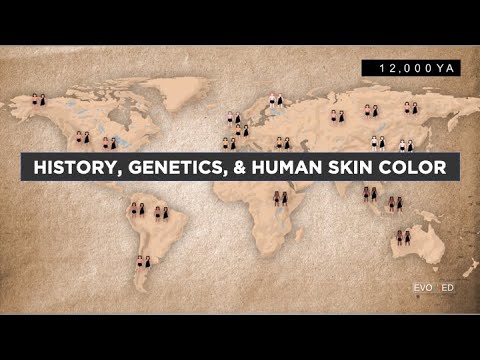
You know how some people seem to tan like it’s their job while others burn just looking at the sun? It’s wild, right? Well, it turns out that our skin color isn’t just a fun little quirk of genetics. It’s a whole story about our ancestors and how they adapted to different environments.
Basically, skin color is like nature’s sunscreen—only, you know, minus the coconut smell. From pale to deep brown, each shade tells us something about where we come from and how we survived through millions of years.
There’s a lot more going on under the surface than you might think. So let’s unravel this colorful tale together!
Understanding the Genetic Determinants of Skin Color: A Scientific Exploration
Skin color is one of those things we notice right away. But have you ever stopped to wonder why people have different skin tones? Well, it all comes down to genetics and the way our bodies adapt to the environment.
Basically, skin color is determined by a pigment called melanin. Your body produces melanin in skin cells known as melanocytes. The more melanin you have, the darker your skin will be. So, why do some folks have more melanin than others? It’s really about where your ancestors came from.
People who lived closer to the equator tend to have darker skin. This helps protect against harmful UV rays. Those rays can damage DNA and lead to skin cancer. On the flip side, lighter skin is often found in populations from Northern regions where sunlight is less intense. The idea here is that lighter skin helps with vitamin D synthesis in low-light conditions. Isn’t that wild? Your body’s trying to keep itself healthy based on where you live!
Genetic variation plays a huge role too. Several genes influence how much melanin your body produces. For instance, there are genes like SLC45A2, which are linked to lighter skin tones, while others like MC1R, are associated with darker shades. What’s interesting is that even small changes in just one gene can lead to noticeable differences in skin color.
- The gene TYR: This one affects tyrosinase production, a key enzyme for melanin production.
- SLC24A5: A variation of this gene is often seen in Europeans and contributes to lighter pigmentation.
- ASIP: This gene has been linked to differences between dark-skinned Africans and light-skinned Europeans; amazing stuff!
Now let me tell you something cool: when we talk about race and ethnicity, it can get super complicated! Skin color doesn’t define who we are or our abilities; it’s just part of our diverse human experience. There are more than 100 variations among these genes related specifically to pigmentation! It’s nearly impossible to pin down someone’s background just by looking at them.
You know what else? Environmental factors also play a role over time! Things like sun exposure or even dietary habits can influence how our genetics express themselves. Yeah, your lifestyle can impact how genetic traits manifest in your body!
A little side note: I once had a friend who moved from a northern country with fair skin to a sunny place near the equator for work. Over time, they noticed their tan deepening but didn’t realize it was their body ramping up melanin production until I pointed it out! It was like watching genetic adaptation happen right before my eyes.
The bottom line is that understanding the genetic determinants of skin color reveals so much about human evolution and how we adapted as a species—a mix of biology and history intertwined beautifully! Oh, and while you might think skin color divides us, really it celebrates our rich diversity as humans living on this planet!
Exploring the Scientific Factors Behind Skin Color Variations: Genetics, Environment, and Evolution
Skin color is one of those things that really showcases the diversity of humans, right? It’s fascinating how people can look so different, yet we’re all part of the same species. The variations in skin color actually come from a mix of genetics, environment, and evolution. Let’s break it down!
First up, genetics. So, our skin color mainly comes down to a pigment called melanin. This stuff is produced by special cells in your skin called melanocytes. People with more melanin usually have darker skin, and those with less are lighter. This genetic trait is controlled by multiple genes—one big player is the MC1R gene. Variations in this gene can lead to different shades of skin.
But wait! It’s not just about genes alone. The environment plays a massive role too. Think about it: where you live influences how much sunlight you’re exposed to. In regions with high UV radiation, darker skin provides better protection against sun damage and reduces the risk of skin cancer. So, over generations, people in these sunny places evolved to have darker skin because it helped them survive better.
- Cultural Practices: Alongside that, lifestyles also affect skin color variations. For example, some cultures might wear traditional clothing that limits sun exposure or use natural sunscreens.
- Anecdote: I remember chatting with a friend from Nigeria who explained how her family often avoided direct sunlight during peak hours. They’ve got this beautiful rich brown hue that protects them from the sun’s harsh rays.
- Migration and Adaptation: As humans migrated from Africa to other parts of the world, some populations faced different environmental conditions which led to lighter skin tones evolving as they moved northward where there was less sunlight.
This adaptation isn’t just physical—it’s tied deeply into our history as humans too! The concept of natural selection helps explain this; basically, traits that provide an advantage for survival become more common over time.
<p<race also complicates things here because it’s a social construct more than anything else. when we label people based on their appearance without understanding background or history, miss out appreciating this rich tapestry of human diversity!
You see how everything connects? Genetics, environment, and evolution all intertwine to create this fascinating blend we call human diversity in skin color. It’s like nature’s way of saying: “Look at all these beautiful variations!” Isn’t it wonderful?
Exploring the Scientific Causes of Racial Variation in Skin Color: Genetics, Environment, and Evolution
Sure! Let’s break down this intriguing topic into bite-sized pieces.
Human skin color is a fascinating mosaic shaped by a mix of genetics, environment, and evolution. You might think skin color is just about looks, but it tells a deeper story about where we come from and how we adapted to different climates.
First off, let’s talk about **genetics**. Skin color is primarily influenced by the levels of melanin in your skin. Melanin is basically the pigment that gives our skin its color. There are two main types: eumelanin (which is dark) and pheomelanin (which is light). The more eumelanin you have, the darker your skin will be.
Now, these genetic traits don’t just pop up randomly; they’re inherited from our parents. Scientists have identified several genes that play major roles in determining skin tone. For example, the SLC24A5 gene was discovered to be key in lighter skin pigmentation among Europeans. It’s interesting to think that such tiny changes at the genetic level can result in noticeable differences across populations!
Then we move on to **environment**. The place where your ancestors lived had a lot to do with their skin color over generations. For instance, people living near the equator tend to have darker skin because it provides protection against harmful UV rays from the sun. In contrast, those who lived in areas with less sunlight developed lighter skin, which helps absorb more vitamin D when sunlight is scarce.
You follow me? Well, if you live somewhere sunny most of the time, like say Africa or parts of South Asia, having darker skin helps prevent conditions like skin cancer caused by too much UV exposure. But if you’re in a cloudy place like Northern Europe? Lighter skin can actually be beneficial because it allows for better absorption of limited sunlight.
Now let’s sprinkle in some **evolutionary** magic here. Our ancestors faced challenges as they migrated across different environments and climates. Those who adapted better were more likely to survive and pass on their traits to future generations—kind of like nature’s way of selecting for what’s best suited for survival.
The phenomenon called “natural selection” explains why certain traits become more common over time within specific populations. Think about how quickly things change! Over thousands of years, slight variations could lead to entirely different populations having distinctly different appearances.
And here’s something emotional: imagine a person learning about their ancestry and discovering how their great-great-grandparents adapted to new lands and climates—transforming generations later into someone with unique features shaped by survival needs!
In summary:
- Skin color reflects adaptations based on genetics, environment, and evolution.
- The primary pigment is melanin, with variations influencing darkness or lightness.
- Genetic factors contribute significantly through inherited genes like SLC24A5.
- Environmental factors determine what type of pigment offers survival advantages.
- Evolutionary pressures shape populations over time through natural selection.
So there you go! Skin color isn’t just a surface-level trait; it’s an intricate interplay between our genes and where we come from that tells an incredible story—a story still unfolding today as people continue to migrate and mix cultures around the globe!
You know, skin color is one of those things that really makes us unique, right? It’s like nature’s way of adding variety to the human palette. It’s not just about how we look; it’s a whole story woven into our DNA, shaped by our ancestors and the places they called home.
So, here’s the thing: the main player in this drama is a group of genes that determine how much melanin your skin produces. Melanin is the pigment that gives skin its color. More melanin means darker skin, which helps protect against harmful UV rays from the sun. And, as weird as it might sound, in sunny places, having darker skin actually gives you a leg up when it comes to avoiding sunburn and skin cancer. But if you live in areas with less sunlight—like up north where winters can be brutal—lighter skin helps your body make vitamin D more effectively when there aren’t many rays around.
I remember sitting outside one summer day with my friend Sofia. She has beautiful olive-toned skin while I’m more on the pale side. We were joking about how she could practically tan by just being near sunlight! But then we got into this deep convo about why people look the way they do based on where their families came from. It was wild to think how generations of adaptation led us to where we are now.
Also, there’s this other layer—cultural and social factors—that shapes our perceptions of beauty and identity linked to skin color. In some societies, lighter skin may be seen as more desirable for various reasons that go back centuries. That kind of pressure can affect self-esteem in ways you wouldn’t believe.
And you’ve gotta love science for peeling back those layers! While genetics lays down the foundation, environment plays a massive part too. The interplay between genetics and environment is complex but also super intriguing—it’s like nature’s twist on an epic saga over time.
So really, when you see someone with a different shade of skin than yours, it tells a story not just about their individual journey but our shared human history as well! Each tone represents survival strategies inherited through generations—a little reminder that all our differences are actually reflections of how wonderfully adaptable we are as humans! Pretty cool stuff to ponder over coffee or at a picnic with friends!
</p