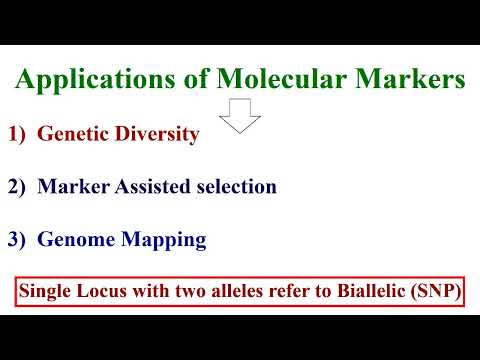
You know, the other day, I was watching this documentary about penguins. They were all waddling around, looking so similar. But then, they threw in a twist. Turns out, even within those tuxedoed cuties, there are tiny genetic differences that make each one unique!
That got me thinking about allozymes. Sounds fancy, right? It’s just a term that scientists use to talk about variations of enzymes in living things. These little guys can tell us a lot about genetic diversity in species, like how they adapt and survive over time.
Imagine if every penguin had its own flavor of ice cream instead of just vanilla! Allozymes help us scoop up the richness of life on Earth and show how interconnected we really are. So let’s take a closer look into this world of tiny differences and big implications!
Exploring the Role of Allozymes in Molecular Biology and Genetic Diversity
Allozymes are like the unsung heroes of molecular biology. They’re variants of enzymes that exist in different forms within a species. Imagine enzymes as tiny workers in your cells, each with a specific job. Well, allozymes are the slightly different versions of these workers—think of them as the same type of employee but with unique skills. This diversity helps explain how organisms adapt and thrive in various environments.
So, what exactly does this mean for genetic diversity? When scientists look at allozymes, they assess how varied these enzyme forms are within and between populations. You might think, “Why should I care?” Well, genetic diversity is crucial for the survival of species; it means better adaptability to changing environments and overall health.
One classic example comes from studies in plants. Researchers often analyze the allozymic variations found in wildflower populations. Different forms can indicate how well those flowers can survive under various conditions—like drought or disease pressures. It’s like having a group of friends where some are great at sports, while others excel at art; together, they can handle just about anything!
Also, using allozymes helps scientists understand evolutionary relationships between species. By comparing *how many different forms* an enzyme has across related species, researchers can map out their evolutionary pathways. It’s fascinating! You see patterns emerge that help illustrate which species are closely related or have adapted to similar ecological niches over time.
But it’s not just plants! Allozymes have also been studied in animals. For instance, fish populations often have different enzyme versions depending on whether they live in freshwater or saltwater environments. These differences help scientists track how well these populations might adjust to changes like pollution or climate shifts.
Now let’s talk about methods for studying allozymes because it gets pretty cool here too! Scientists use techniques like electrophoresis to separate these proteins based on size and charge—a bit like sorting out your candy by color and flavor after Halloween! This process allows them to visualize the different alleles present (that’s the term for variant forms of a gene), which adds layers to our understanding of genetic diversity.
In summary:
- Allozymes show us the subtle differences that make life adaptable.
- The study of allozymes reflects genetic diversity, crucial for survival.
- Research examples, from plants to fish, highlight their importance in ecosystems.
- Molecular techniques, like electrophoresis, give insight into these variations.
The role of allozymes extends far beyond just molecules; they touch on ecology, evolution, and conservation efforts too! With all this info swirling around one tiny concept—enzymatic variation—you see just how rich and intricate life is on this planet! How neat is that?
Exploring the Role of Isoenzymes and Allozymes in Population Genetics Research
So, let’s talk about isoenzymes and allozymes. Isoenzymes are basically different forms of the same enzyme. They come from the same gene but might work a little differently, depending on various factors like what organism we’re looking at or its environment. On the other hand, allozymes are variations of enzymes that arise from different alleles—think of them as slightly different versions of the same recipe.
Now, why care about these guys in population genetics? Well, they’re like treasure maps for genetic diversity. Researchers can use them to see how populations are changing over time and how they adapt to their surroundings. Basically, it’s like watching a soap opera unfold but with genes instead of dramatic plot twists.
Let’s say you have two populations of fish in different lakes: one in a warm lake and another in a cold one. By studying their allozymes, scientists can check if those fish have adapted to their specific environments. If one group has a lot more variation in a particular enzyme related to temperature tolerance, it suggests they’ve been under different selection pressures compared to their counterparts.
One cool thing about using isoenzymes and allozymes is that they help scientists track genetic variation without having to dive deep into DNA sequences right away. Some species have tons of genetic diversity hidden in their enzymes just waiting for researchers to find it.
You might be thinking: how do scientists figure out which isoenzymes or allozymes are present? Well, they use techniques like gel electrophoresis. This is where you run an electric current through a gel with your samples mixed in—kinda like when you see colors spreading through water! The differences in size and charge cause the enzymes to separate out into distinct bands on that gel, making it easier to spot variations.
Also, understanding this diversity can have big implications for conservation efforts too! If we know which populations are genetically diverse and healthy, we can make smarter decisions about protecting them or even restoring others at risk.
But it’s not just about studying differences; it’s also about understanding relationships within and between species. Researchers can set up family trees based on these enzymes to see how closely related different populations are. This gives insight into evolutionary processes happening over time—a bit like piecing together an ancient puzzle!
Overall, isoenzymes and allozymes play essential roles in population genetics research by providing valuable information on genetic diversity and adaptation among organisms. They’re kind of the unsung heroes behind biodiversity studies; while most people look straight at DNA sequences, there’s a whole world happening at the enzyme level worth exploring!
Exploring the 5 Key Processes That Drive Genetic Diversity in Biological Sciences
Genetic diversity is like the spice of life for species. It allows populations to adapt, survive, and thrive in changing environments. So, how do we get this juicy variety in the genetic material of living things? Let’s take a closer look at five key processes that contribute to genetic diversity.
- Mutation: This is where it all begins! Mutations are random changes in DNA sequences. They can happen during DNA replication or due to environmental factors like radiation. Some mutations might be harmless, while others could lead to new traits—think of it as Mother Nature’s little experiments.
- Gene Flow: Imagine moving from one neighborhood to another and bringing your unique style with you. That’s gene flow for populations! When individuals from different populations mate and exchange genes, they introduce new alleles—different versions of genes—into a gene pool. This exchange increases variability and helps populations adapt.
- Genetic Drift: Sometimes, randomness plays a huge role in evolution. Genetic drift refers to changes in allele frequencies due to chance events. Picture a storm that wipes out some members of a population randomly; the surviving individuals carry only certain alleles forward, which can greatly shift the genetic makeup. Ever heard about that tiny group of cheetahs with very similar genes? Yeah, that’s drift at work!
- Recombination: Also known as crossing over during meiosis, recombination mixes DNA from two parents when forming gametes (think sperm and eggs). This shuffling creates new combinations of alleles in offspring. So when two plants cross-pollinate and produce seeds, those seeds could have a completely new set of traits! It’s like playing mix-and-match with your wardrobe but for genes.
- Natural Selection: Finally, there’s natural selection—the process where certain traits become more common because they confer advantages in survival or reproduction. If an allele helps an organism survive better in its environment, it will likely be passed on more often than others. Over time, this leads to changes in the genetic structure of populations.
A common method for studying this genetic diversity is through allozymes. Allozymes are different forms of an enzyme that arise from variations at a single gene locus. Researchers can analyze these variations by looking at how well these enzymes function under different conditions or stressors.
This approach has been used in various studies to understand how species respond to environmental changes or even how closely related different populations are genetically. For instance, someone might study fish from two rivers and see if their allozymes show significant differences—that could indicate they evolved separately due to their distinct environments!
If you think about it, genetic diversity is crucial for the health of ecosystems too! Insects pollinate flowers; predators keep prey populations in check; each piece works together thanks to this fascinating tapestry created by all these processes we’ve talked about.
The bottom line? The dance between mutation, gene flow, drift, recombination, and natural selection creates the beautiful mosaic we call life on Earth—a reminder that variety truly is the spice of existence!
So, let’s talk about allozymes. You might be wondering, what even are those? Well, they’re basically different forms of enzymes that can help scientists understand genetic diversity within populations. Imagine a team of superheroes where each one has a special power. In this case, the allozymes are like those unique powers. They can help you see how species adapt to their environments—like when one superhero has the ability to fly in storms while another is great at climbing walls.
Back in college, I remember sitting in a lab trying to analyze some of these enzymes for our genetics course. We had collected samples from a local river, and as we worked through the process, there was this moment when everything clicked. You could see how variations among the enzymes told us stories about that river’s ecosystem. There were some species thriving and adapting while others struggled—it was like watching nature’s drama unfold right there on our lab screens.
So, allozymes play this super cool role in studying genetic diversity. Scientists look for variations in these enzyme forms to gauge how different populations relate to one another and how they adapt over time. It’s like piecing together a puzzle; each piece showing us clues about evolution, environmental pressures, and even conservation efforts.
But why does this matter? Well, think about it: understanding genetic diversity can aid in preserving species at risk of extinction or help inform better ways to manage natural resources. Like if we know certain traits are better suited for surviving climate change or habitat loss, we can make smarter choices for conservation programs.
In essence, diving into the world of allozymes isn’t just an academic exercise; it’s about connecting with life around us—tracking changes and making decisions that honor nature’s intricate web. It’s kind of mind-blowing when you think about it!