Alright, picture this: you’re at a family reunion, and you spot a cousin who looks just like you but with a wild twist—hair dyed neon green and wearing a superhero cape. You can’t help but laugh and think, “We share genes, but wow, what happened there?”
That’s kind of how duplicate genes work in evolution. They’re like those quirky cousins that add a splash of color to the family tree. Seriously! Instead of just making copies, they can transform, adapt, and sometimes create entirely new traits.
So here’s the deal: duplication in genes might sound super technical, but it’s actually a big player in how life evolves. It’s like nature’s way of experimenting with variations. You following me?
We’ll dive into how these genetic doppelgangers pump up the diversity in living things. Buckle up!
The Impact of Gene Duplication on Evolutionary Processes in Science
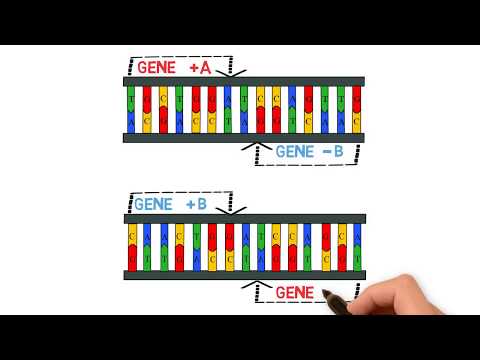
Gene duplication is like a quirky twist in the story of evolution. Imagine it as a copy-paste function that nature uses to create variation within organisms. When a gene duplicates, you essentially get two copies of the same gene instead of just one. This process can lead to some fascinating outcomes, and it’s a big part of how life diversifies and adapts over time.
So, what happens after a duplication? Well, one of the duplicated genes might keep doing its original job while the other is free to experiment with new functions. This freedom opens up possibilities for innovation. For instance, think about how the globin gene family evolved. These genes are responsible for carrying oxygen in our blood. After duplications occurred over millions of years, some versions specialized in different tasks—like transporting oxygen more efficiently in different conditions.
Another cool thing about gene duplication is that it can lead to neofunctionalization. This fancy word just means that one copy takes on an entirely new role while the other maintains its original function. A classic example is seen in fish; some species have duplicated genes for their vision systems, allowing them to perceive different wavelengths of light better than others.
Now let’s consider subfunctionalization, which is another outcome where both copies of a gene share the original responsibilities but split those duties between them. Think about an actor who takes on two roles in a play: instead of being great at one thing, they become good at two different parts! In plants, this can enhance their adaptability to various environmental stresses by spreading out functions across duplicated genes.
But wait—gene duplication isn’t all sunshine and rainbows! It can sometimes lead to genetic instability or diseases when things go awry during cell division or when mutations accumulate. But on the flip side, it plays an essential role in creating complex traits and adaptations that contribute to biodiversity.
Moreover, you can trace periods of significant evolutionary change back to bursts of gene duplications sparked by events like whole-genome duplications. These wholesale duplications give rise not only to new species but also open pathways for truly unique features—think flowers with vibrant colors or animals with specialized diets.
So yeah, gene duplication really makes evolution tick! It adds layers upon layers of complexity that allow life forms to explore new niches and tackle challenges from their environment more creatively than ever before. It’s like nature’s way of saying “let’s try something new!” And more often than not, these innovations lead straight down fascinating evolutionary paths we continue to unravel today!
The Role of Duplication Mutations in Evolutionary Biology: Uncovering Their Significance for Species Adaptation and Diversity
So, let’s chat about duplication mutations and their role in evolution. Sounds technical, but stick with me—I promise it’s interesting!
Duplication mutations happen when a part of the DNA is copied. Imagine if you had a favorite recipe, and instead of writing it down just once, you accidentally wrote it twice. This can create some unique situations in biology! Those duplicated segments of DNA can turn into new genes over time.
Now, why does this matter? Well, the thing is, having extra copies of genes gives organisms more chances to adapt. Think about it: if one copy of a gene suddenly mutates and starts doing something different or better—boom! You might have a whole new function that could help the species survive in changing environments.
You see this with plants a lot. Take wheat, for instance. Most modern wheat is polyploid, meaning it has multiple sets of chromosomes due to past duplications. This trait has made it super adaptable to different climates and has allowed it to thrive around the world.
But it’s not just plants that benefit from duplication mutations; animals do too! Take the case of frogs. In some species, duplications have led to variations in skin color and even changes in how they respond to environmental stressors like dryness or temperature shifts. Basically, these genetic duplicates act like backup plans for survival.
Let’s throw some science into the mix here—duplication can lead to what’s called neofunctionalization, where one copy takes on an entirely new job while the other maintains its original role. It’s like having two workers at a coffee shop; one keeps making lattes while the other experiments with new flavors.
But there’s also subfunctionalization, where both copies share the workload of the original gene’s function. So rather than one person doing all the work and burning out, they split up tasks and become more efficient.
So yeah, duplication mutations are like nature’s version of adding another player on your team; it increases your options and makes you way more adaptable in challenging situations.
And here’s another cool thought: evolution isn’t just about surviving; it’s also about diversity. Duplicated genes can lead to all sorts of new traits that contribute to variations within a species or even create entirely new species over time. Look at how different dog breeds are from their wolf ancestors—all that diversity comes partly from gene duplication!
In summary, duplication mutations are super important for evolutionary biology because they provide extra genetic material that organisms can tinker with as environments change over time. They are key players behind adaptation and diversification across all forms of life on Earth.
So next time you’re outside enjoying nature or even sipping your coffee (thank those frogs!), remember that there’s an intricate dance happening at the molecular level thanks to these little duplication events—shaping life as we know it!
Understanding the Role of Duplicate Genes in Evolution and Genomic Diversity
Duplicate genes are like those extra copies of your favorite songs on your playlist. They show up for a reason, and sometimes, they even help you discover something new about your musical taste. In the same way, duplicate genes provide a fascinating insight into evolution and the diversity we see in living organisms today.
So, what exactly happens when a gene duplicates? Well, basically, you start with one gene that has a specific job—like coding for a protein that helps your cells function. When it duplicates, you end up with two versions of that gene. Now here’s where it gets cool: since these duplicates can exist side by side, they have some freedom to experiment with new functions without messing up the original one. It’s like getting to play around in a sandbox while keeping your favorite toys safe!
One important point is neofunctionalization. This is when one of the duplicate genes takes on a brand new role. Imagine if that song you loved suddenly became an anthem for an entire movement! In the world of genes, some duplicates evolve new functions that might help an organism adapt to its environment better. For example, plants often have duplicate genes for processes like photosynthesis which enables them to be more efficient under different light conditions.
Another possibility is subfunctionalization, where each copy splits up the old functions between them like two friends dividing chores. Let’s say there was one gene responsible for two tasks; after duplication, each copy might take over one task while freeing up its sibling for another duty. This division can lead to more specialized roles in development or metabolic processes.
But hold on! Not all duplicate genes are destined for greatness—or survival at all. Some just hang around until they’re eventually recycled through gene loss. This can happen if the duplicates don’t prove useful or if maintaining them becomes too costly for the organism. Think of it as cleaning out clutter—sometimes it’s just time to let go.
You might be curious about why this process matters so much in evolution. The thing is, these duplicate genes add genomic diversity, which means there’s more variety within species’ genetic makeups than you’d get without duplication. More diversity means better chances of survival when environments change or when new challenges pop up—kind of like having backup dancers ready to step in when needed!
And here’s something super interesting: critically endangered species often exhibit higher levels of duplicated genes compared to their more populous relatives! It suggests that duplications may be part of how those species are coping with pressures from their environments—talk about adaptation!
In essence, duplicate genes are little agents of change in the evolutionary storybook. They open doors to innovation while adding layers to our understanding of how life evolves over time. So next time you hear about genetic evolution or biodiversity, remember those sneaky duplicates playing their part behind the scenes—they’re not just repetitive tunes; they’re vital players in life’s grand orchestra!
You know, genes are like the instruction manuals for building living things. They tell our bodies what to do, how to grow, and even how to adapt. But sometimes, things get a little crazy in the world of genetics, and that’s where duplicate genes come into play.
Imagine you’re working on a really cool project—like building a robot. Suddenly, you realize you have two versions of the same instruction in your manual. At first glance, it might seem like a hassle. But what if having that double-up gave you room to experiment? That’s kind of what duplicate genes do in the grand scheme of evolution.
When genes duplicate, they can evolve separately over time. This is known as “gene duplication,” and it opens up some exciting pathways for change and diversity. One gene might stick to its original job while the other can try something new! It’s like having one friend who always plays by the rules and another who’s more adventurous, willing to explore different paths.
There’s this touching story from biology about an ancient fish called *Coelacanth*. Once thought extinct, it was found alive after millions of years! It has some duplicated genes that help it thrive in deep-sea environments but also gives insight into how life transitioned from water to land. Those extra copies offered chances for new adaptations—like evolving lungs from gills.
You see? Duplicates aren’t just extra baggage; they can be innovators! They allow organisms to play around with their traits without risking their survival immediately. If one copy goes on a wild adventure trying out various functions while the other keeps everything stable—that’s evolution giving us its version of “backup” plans.
This idea isn’t just about fish; it stretches across all life forms—from plants to mammals. Every once in a while, scientists discover something about an organism that makes them think: “Wow! This trait evolved because of gene duplication!” It reminds us how nature experiments with possibilities.
So next time you hear someone talking about genetics or evolution, think about those duplicate genes hanging out in our DNA playgrounds—places where creativity meets functionality! It’s amazing how life continually unfolds through these quirky little duplicates that make diversity possible!