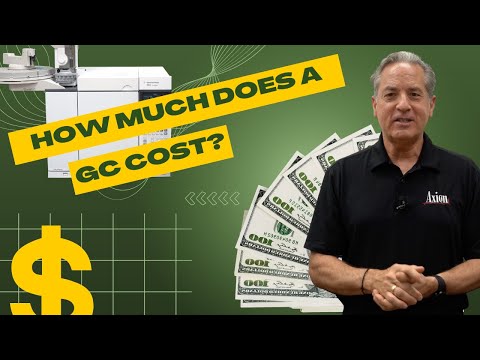
Have you ever tried to figure out why your favorite coffee shop charges an arm and a leg for that fancy latte? It’s all about the ingredients, right? Well, gas chromatography mass spectrometry (or GC-MS for short) is kind of like that.
Imagine you’re cooking up some complex dish. You need the right tools, fresh ingredients, and a pinch of know-how. If any part is missing or top-notch, it can really change everything—especially the cost!
Now, when labs use GC-MS to analyze substances, they’re not just flipping a switch. There are a ton of factors that make it pricey or budget-friendly, depending on what you’re looking for. And believe me, these costs can add up faster than your morning caffeine fix!
So let’s dig into what drives those numbers up or down in the world of GC-MS usage. You’ll be surprised at how many little things come together to make this tech both vital and sometimes kind of expensive!
Understanding the Costs of GC-MS Analysis: A Comprehensive Breakdown for Scientific Research
Understanding the costs of GC-MS analysis can be a bit of a rollercoaster. So, let’s break it down in a way that makes sense, alright?
First off, you should know that **GC-MS**, which stands for **Gas Chromatography Mass Spectrometry**, is super useful for analyzing complex mixtures. It’s often used in fields like environmental testing, pharmaceuticals, and even food safety. But with great power comes great costs!
One major factor influencing overall expenses is **equipment**. A brand-new GC-MS system can set you back anywhere from $100,000 to $500,000! And hey, prices vary based on the model and features you pick. Not to mention the **maintenance** costs that come in later—think regular checks and repairs to keep things running smoothly.
Then there’s the **consumables** part. Here’s where it can really add up. You’ll need various supplies like:
- Columns: These help separate the components in your sample. Depending on how specialized they are, they might cost several hundred bucks each.
- Sorbents: Used for sample preparation before running them through the machine.
- Standards: These ensure your results are accurate and reliable. The price can vary by what you’re testing.
Think about this: every time you run a sample, you’re spending money on these little guys! If you’re doing lots of tests, well… you get where I’m going with this.
Next up is **labor costs**. Not just anyone can operate GC-MS systems; it requires trained personnel who know their stuff! This means salaries would factor into your total budget too. Whether it’s a technician or a researcher interpreting those mass spectra, skilled people don’t come cheap.
Oh, and don’t forget about the **overheads** like electricity and ventilation needed in labs that use this equipment continuously. It sounds trivial but adds up when you think about running those machines 24/7.
There’s also the consideration of **training** costs if someone’s new to using GC-MS technology. They might need workshops or additional courses to become proficient.
But hey, it doesn’t stop there! Sometimes funding agencies put limits on how much researchers can spend on analysis which could lead to compromises in either quality or volume of testing done.
In conclusion—or maybe I should say “to wrap it up”—calculating GC-MS analysis costs isn’t just about buying a shiny new toy; it’s looking at everything from initial outlays to ongoing expenses and even training requirements.
So when diving into research that involves GC-MS analysis, consider all these factors carefully! Adjustments along the way might be necessary as you find your groove with budgeting for one of science’s powerful tools!
Understanding the High Costs of Mass Spectrometers in Scientific Research
Mass spectrometry is like a superhero in the world of scientific research. Seriously, it helps us analyze the composition of various substances, from food to environmental samples. But here’s the kicker: mass spectrometers come with a hefty price tag. Let’s break down why these machines cost so much.
1. Initial Purchase Price
First things first: buying a mass spectrometer isn’t cheap. You’re generally looking at prices that can range from tens of thousands to several hundred thousand dollars. This wide gap depends on the type of instrument you need and its capabilities—think sensitivity, resolution, and speed. For instance, a basic unit might do fine for some analyses, while others tasks require something more advanced.
2. Maintenance and Calibration
You can’t just buy one and forget about it! Regular maintenance is crucial to keep these machines running smoothly. This might include parts replacement or recalibration, which costs money in both materials and technician time. It’s kind of like owning a car—you want to keep it in good shape unless you’re okay with random breakdowns!
3. Consumables
The daily running costs can add up too. Mass spectrometers require consumables such as gas supplies (like helium or nitrogen), sample preparation kits, and even cleaning agents for maintenance purposes. Just imagine needing special ingredients every time you cook; that adds up quickly!
4. Training Personnel
Operating a mass spectrometer isn’t as simple as pushing a button—trust me! Technicians must undergo specialized training to use these instruments effectively and interpret the data they generate accurately. This means investing in human resources—another expense you have to factor in.
5. Facility Costs
You also have to think about where you’re putting this fancy gadget! These machines often need controlled environments to function properly—like specific temperatures or minimal vibrations—which may require extra HVAC systems or soundproofing measures in labs.
6. Software Expenses
The analysis software is another layer of cost that can’t be ignored! Powerful software tools help scientists process the data collected by mass spectrometers but often come with their own license fees or subscription costs to consistently get updates for new features.
This whole financial picture can get overwhelming really fast! Think of all those factors together—for many institutions, investing in mass spectrometry means balancing the need for precision against each individual cost involved.
If you’re ever curious about how much research relies on these instruments, remember: it’s more than just their initial price tag; it’s every little thing that keeps them running day after day.
Key Factors Influencing Separation Efficiency in Gas Chromatography: A Scientific Overview
Gas chromatography (GC) is this nifty technique used to separate and analyze compounds in a mixture. It’s like taking a mixed bag of jelly beans and figuring out which flavors are in there. You know? Just without the sugar rush.
Okay, so what influences how well this separation happens? There are some **key factors** you really need to keep an eye on:
- Column Length: The longer the column, the better the separation. That’s because it gives the compounds more time to interact with the stationary phase, you know? But hey, longer columns can also mean longer analysis times.
- Column Diameter: A narrower column can enhance separation efficiency but might reduce sensitivity. It’s kind of a balancing act, especially when you’re chasing down low-concentration compounds.
- Stationary Phase Composition: The materials that coat the inside of your column play a big role. Different materials interact with different compounds in unique ways. So picking the right one is crucial.
- Temperature: This one’s huge! Higher temperatures can help vaporize components quicker but might lead to poor resolution if everything rushes through too fast. It’s like making popcorn; if you turn up the heat too high, they burn!
- Carrier Gas Flow Rate: This affects how fast your sample moves through the column. If it’s too fast, you lose resolution; too slow and it takes forever to get any results.
- Sample Size: More isn’t always better! If you overload your system with too much sample, separation efficiency takes a dive. It’s like trying to shove too many clothes into a suitcase. Not going to happen!
Now, I remember when I first watched a GC in action during my lab days—seeing all those peaks pop up on the screen as different components separated was just mesmerizing! Each peak told its own little story about what was in that mixture.
You might be wondering how all this relates to **cost factors** in using gas chromatography mass spectrometry (GC-MS). Well, here’s where things get interesting.
All these factors come at a price. A longer or more complex column might cost more upfront but could save money by improving efficiency and reducing material usage over time. Plus, understanding these elements means less trial and error—saving time and money on consumables.
So yeah, choosing how you set up your GC can seriously impact both performance and costs down the line. It’s all about finding that sweet spot between efficiency and expenses while still getting accurate results.
In short, whether you’re doing routine analysis or high-stakes research, paying attention to these key factors can help ensure you’re getting good separations without breaking the bank!
Gas chromatography-mass spectrometry, or GC-MS for short, is this super cool technique used to analyze complex mixtures. It’s like a detective tool for scientists, helping them separate and identify different substances in a sample. But, man, is it pricey!
So, let’s break down what makes using GC-MS cost so high. First off, you gotta think about the equipment itself. These machines are not just sitting around at low prices. They can run anywhere from tens of thousands to over a hundred thousand bucks! And it doesn’t stop there. You need proper maintenance and sometimes that means hiring skilled techs who know how to keep everything running smoothly.
Plus, there are supplies like sample vials and various reagents that can add up too. And oh boy, don’t forget the costs related to training personnel! You can’t just toss anyone into a lab with this kind of gear. They need real training to operate the equipment effectively and safely.
I remember my friend Sarah from college. She was super excited about working in a lab that did environmental testing with GC-MS technology. But after joining, she realized they had budget cuts! The team couldn’t afford some new parts needed for the machine. That’s when she told me the harsh reality—costs can limit research and even delay projects because they couldn’t get their hands on what they needed.
Energy costs are another consideration since these machines can be power-hungry during operation; you might not think about it much but every time you turn them on, there’s an electric bill ticking away in the background too!
Look, I get that research is important and we need these analyses for everything from food safety to forensic investigations, yet keeping an eye on those cost factors is key so labs can keep doing their necessary work without breaking the bank or leaving things half-done.
So next time you come across something analyzed using GC-MS, remember all those behind-the-scenes factors driving costs up—it’s definitely a balancing act between getting results and managing expenses!