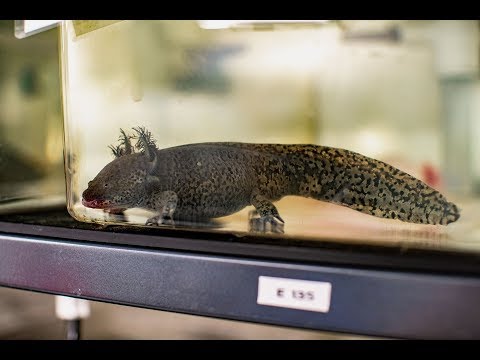
You know, there’s this little creature that can totally regrow its limbs? I mean, how cool is that? Picture a cute, squishy axolotl chilling in a tank, maybe sporting a goofy little grin. Seriously, this amphibian is not just adorable—it’s like nature’s very own superhero!
So, scientists took a deep dive into the axolotl genome recently. They wanted to figure out how it manages to pull off these crazy regeneration tricks. And guess what? This project is showing us some seriously fascinating stuff about genetics and healing.
It’s like opening a treasure chest of biological wisdom! Imagine unlocking secrets that could help humans heal better or even regrow damaged tissues. Sounds pretty wild, right? Stick around—we’re about to unpack this genetic adventure together!
Recent Advances in Axolotl Research: Uncovering Insights in Regeneration and Development
You know the axolotl, right? That cute, smiley little creature with fluffy gills and a knack for regenerating its own limbs? Well, folks have been getting super into axolotl research lately, especially since the Axolotl Genome Project started shedding light on this quirky amphibian. Seriously, there’s so much more to these guys than meets the eye!
Regeneration is one of the coolest things about axolotls. They can regrow their limbs, tails, and even parts of their hearts and brains! This regenerative ability has intrigued scientists for years. The latest research digs into how they do this at a genetic level. They found that certain genes are activated when an axolotl loses a limb. It’s like flipping a switch that starts a whole regrowth party!
Through the Axolotl Genome Project, researchers sequenced the entire genome of these fascinating creatures. This means they mapped out all of their DNA—like creating a detailed blueprint! With over 30 billion base pairs (that’s way more than humans have!), scientists uncovered specific gene families that seem to play roles in regeneration. For example, genes related to wound healing and cell growth are particularly active when an axolotl regenerates.
Another exciting angle is how understanding these genes could help with human medicine. What if we could harness some of that regenerative magic for ourselves? Imagine being able to grow back lost fingers or heal spinal injuries! By studying axolotls, researchers hope to find ways to stimulate similar healing processes in humans.
Development is also a big part of the picture here. Axolotls are known for being neotenic, which means they keep their juvenile features throughout their lives. They stay aquatic and gill-bearing instead of turning into land-dwelling adults like most amphibians do. The Genome Project has begun unraveling what keeps them in this “eternal youth” state by sorting through developmental genes that dictate these traits.
One fascinating discovery relates to hormonal influences. It turns out that thyroid hormones play a role in triggering metamorphosis in many amphibians, but axolotls seem resistant to this process due to genetic factors alongside that unique genome setup we mentioned earlier.
And guess what? Researchers have also identified some immune system quirks in axolotls that could help us better understand tissue repair! Their immune response is less inflammatory compared to other creatures when it comes to healing wounds or regenerating limbs. This might be key in figuring out how we can improve healing processes in humans too.
There’s still tons more research waiting on the horizon! Scientists are continually exploring different aspects of axolotl biology—like how environmental factors might influence regeneration or development—as well as what other potential applications there might be for human health.
So next time you see an adorable axolotl picture online (and you totally will), just remember: beneath those silly smiles lies a treasure trove of scientific discovery waiting to inspire breakthroughs in our understanding of regeneration and development!
Unveiling the Unexpected: Key Discoveries from the Human Genome Project in Genetic Science
So, let’s chat about the Human Genome Project because it basically changed the game in genetic science. Imagine trying to read an entire instruction manual for a super complex machine—that’s kind of what scientists had to do when they took on the task of mapping our DNA. The Human Genome Project (HGP) was a massive international effort that kicked off in 1990 and wrapped up in 2003. What they did was sequence all three billion base pairs of human DNA, which is no small feat!
Now, one of the coolest things about the HGP is that it revealed a treasure trove of information. Here are some key discoveries:
- Genes Galore: Initially, scientists thought we had about 100,000 genes. Once they got down to business though, they found only around 20,000–25,000 genes! That’s way fewer than expected. It’s like finding out your big box of toys only has half as many as you thought.
- Genetic Variation: They uncovered how small genetic differences among people can explain why some folks get certain diseases while others don’t. It turns out that just a tiny change in your DNA can have massive effects on your health.
- Non-Coding DNA: They found out that most of our DNA doesn’t actually code for proteins—it’s called “junk DNA.” But guess what? It turns out this junk isn’t so junky after all! A lot of it plays crucial roles in regulating genes and how cells behave.
- Disease Relationships: The project helped scientists find links between specific genes and diseases like cancer and diabetes. This means we can start thinking about personalized medicine—treatments tailored to your genetic makeup!
- Cultural Impacts: The HGP wasn’t just about science; it stirred conversations about ethics and privacy related to genetics. You might remember how it raised questions about how your genetic info should be used by others.
So now let’s connect this back to something pretty neat—the Axolotl Genome Project! The axolotl is this amazing aquatic salamander known for its ability to regenerate limbs. When researchers sequenced its genome, they hoped to unearth secrets that could help us understand regeneration better.
The thing is, axolotls share a lot with humans genetically—even though they’re not exactly close relatives. This means insights from their genome could shed light on healing processes in humans too! For instance:
- Regenerative Genes: By pinpointing specific genes responsible for regeneration in axolotls, scientists might learn how to boost healing processes in humans or even regrow tissues!
- Molecular Mechanisms: Understanding how axolotls handle cellular repair can also teach us more about preventing scarring after injuries or surgeries.
- Evolving Insights: Just like the HGP changed our view on human genetics, the Axolotl Genome Project might revolutionize regenerative medicine as we know it.
This is all super exciting stuff! Imagine if one day you could heal a broken bone or even regrow an organ simply because we learned from these remarkable creatures’ genomes? If you think back to what the Human Genome Project laid out for us all those years ago, it feels like we’re just getting started—like opening one door and seeing five more behind it!
And who knows what other surprises are lurking in the genomes of other species? Science has a funny way of unveiling unexpected treasures at every turn!
Exploring the Remarkable Regenerative Abilities of Axolotls: A Scientific Insight
The axolotl, that adorable little salamander with the feathery gills, has some pretty mind-blowing tricks up its sleeve. Seriously, these creatures can regenerate body parts like it’s just another Tuesday for them. How do they do this? Well, let’s take a closer look at their remarkable regenerative abilities and what scientists have been uncovering through the Axolotl Genome Project.
First off, it’s not just their ability to regrow limbs that puts axolotls in a league of their own. They can also regenerate tails, parts of their heart, and even sections of their spine. This means if they lose an arm, they can grow a new one without any scars! Imagine if humans could pull off something like that—kind of makes small cuts seem trivial, huh?
Now onto the science bit! The Axolotl Genome Project has given researchers some real insight into these incredible capabilities. By sequencing the axolotl’s genome, scientists are digging into the genes responsible for regeneration. It turns out that axolotls have retained certain genes from their ancestors that allow them to regenerate much better than most amphibians.
One interesting thing is how they handle wound healing. Instead of forming scar tissue like we do when we get hurt—ouch—they create a special structure called a blastema. This is basically a blob of cells that can become whatever type of tissue is needed for regeneration—a limb or even skin! Crazy right?
But here’s where it gets really cool: studies show that during regeneration, these cells revert back to a more primitive state. It’s like they hit the reset button and become “stem-cell-like,” ready to transform into any type of cell they need at that moment.
Researchers are also finding out how important immune response is in this process. While humans often face complications from our immune system when we’re healing—think inflammation—axolotls manage to keep things smooth sailing. Their immune systems actually help facilitate regeneration instead of hindering it.
And let’s chat about potential applications! If we could figure out how axolotls do their thing on a genetic level, there’s hope for more advanced treatments in medicine—for humans! Imagine being able to heal injuries or even repair organs!
In short, studying these fascinating creatures opens up a whole new world of possibilities in regenerative medicine. The more we learn from them through projects like these, the closer we get to unlocking some real healing power for ourselves.
So next time you see an axolotl—or maybe you’ve got one chilling in your aquarium—just think about all those incredible skills lurking beneath that cute exterior! There’s more to them than meets the eye; they’re tiny superheroes in their own right.
So, the Axolotl Genome Project has been making waves lately, and it’s super interesting! I mean, when you think about axolotls, what comes to mind? For me, it’s those adorable little guys with feathery gills and a smile that could melt anyone’s heart. But their appeal goes way beyond their cute looks.
What gets me excited is the fact that these creatures have some pretty amazing superpowers. They can regenerate limbs and even parts of their heart and brain! Like, seriously? If only we could do that, right? Imagine if you accidentally cut your finger while cooking and poof! It just grew back overnight. That would change everything!
Anyway, scientists have been digging into the axolotl’s genome to figure out how in the world they manage this regeneration magic. It’s kind of like a treasure hunt for genes that could unlock secrets about healing in humans. So far, they’ve discovered some fascinating stuff about gene regulation and how certain genes behave differently in axolotls compared to other animals.
It’s like when you’re trying to find the right song for a moment; sometimes the perfect track just hits differently. In this case, these unique genes are opening doors to new ways of thinking about medicine and healing processes.
What I find striking is how studying such a seemingly simple creature can lead to groundbreaking discoveries. It reminds me of that time I was volunteering at a local science museum and saw kids light up over tiny insects under a microscope—everyone gets so absorbed in these small wonders!
The implications of what they’re learning from axolotls are vast; researchers hope to someday leverage this knowledge for regenerative medicine therapies in humans. Just imagine being able to help someone heal from severe injuries or chronic conditions faster than we thought possible.
So yeah, it’s kind of wild how something as quirky as an axolotl could be at the forefront of revolutionary medical advancements. Who knew their gooey little bodies held so many secrets? I can’t wait to see where this research takes us next!