So, I was chatting with a friend the other day about ceramics. You know, those fancy plates and vases that look all pretty? Well, turns out they’re way cooler than just table decor.
I mean, have you heard about how ceramic materials are used in tech? Like in smartphones or even space shuttles? Wild, right?
It’s incredible when you think about it. Materials that were once just for pots and pans are now helping rockets launch into space! Seriously, who knew clay could be so versatile?
In this little journey through ceramic engineering and material science, we’ll explore some of these advancements together. Get ready to be amazed by how the humble ceramic has evolved!
Exploring the Future of Ceramic Engineering: Innovations and Trends in Materials Science
So, let’s talk about ceramic engineering. It’s not just about pretty mugs and tiles; it’s like this whole universe of materials that are literally shaping the future! You see, ceramics are these amazing materials that, when designed right, can handle extreme temperatures and pressures. Honestly, they’re like the unsung heroes of engineering.
What’s New in Ceramic Engineering?
One big trend is the development of **advanced ceramics**. These aren’t your grandma’s dinner plates! They’re being engineered for everything from spacecraft to biomedical implants. Imagine materials that could withstand the heat of re-entering Earth’s atmosphere or ones that can be used inside your body without causing any issues. That’s not science fiction; that’s happening now!
Another exciting area is **3D printing with ceramics**. Yeah, you heard me right! This technology allows for more complex designs than ever before. You can create shapes and structures that were once impossible to make using traditional methods. So, instead of just stacking layers like some old-school building blocks, we’re talking intricate patterns that could enhance performance in various applications.
Current Innovations
Also, have you heard about **bioactive ceramics**? These guys are something special because they can actually promote healing in bone tissue. They’re being used in orthopedic applications to help fix broken bones or even replace joints. It’s like giving your body a little help when it needs it most!
On another note, let’s not forget about the environmental side of things! There’s a push for creating **sustainable ceramic materials**. Researchers are looking at ways to incorporate recycled materials into new ceramic products or even develop processes that use less energy during production. It means we get to enjoy high-tech materials without leaving our planet in a mess!
The Role of Smart Ceramics
And then there are **smart ceramics**, which sounds cool all on its own, right? These materials can change properties in response to external stimuli—like temperature or electric fields! Imagine a ceramic tile that could adjust its thermal conductivity depending on how hot it gets. Mind-blowing!
But seriously, think about how this could change architecture or energy management systems—you could have buildings that keep themselves cooler in summer and warmer in winter with minimal energy input.
Challenges Ahead
Of course, it’s not all smooth sailing. One major challenge is the cost associated with developing these advanced ceramics. High-performance versions may be pricey to produce initially but hey – innovation often comes with a hefty price tag upfront.
Also, there are still hurdles around durability and scalability when it comes to manufacturing these high-tech ceramics at scale without breaking the bank—or shattering them in production.
In wrapping up this deep dive into ceramic engineering’s future—it’s clear we’re standing at the edge of something exciting! With continued innovations set to push boundaries and redefine what we thought was possible with these materials, who knows where we’ll end up? The future looks bright (and durable!), my friend!
Exploring the Future of Materials Science Engineering: Innovations, Trends, and Impact on Technology
Sure, let’s talk about the exciting world of materials science engineering, especially focusing on ceramics. It’s a field that’s rapidly evolving, and you might be surprised just how many innovations are happening right now!
First off, **ceramics** aren’t just those cute pots you see around your grandma’s house. They’re crucial in advanced applications like electronics, aerospace, and even healthcare! The thing is, their properties—like being super hard and resistant to heat—make them really valuable in tech.
Ceramics are moving beyond traditional boundaries. For example, there’s been a lot of buzz about **bioceramics**. These materials can be used in medical implants because they’re not harmful to the body at all. Imagine needing a hip replacement! Instead of metal or plastic parts invading your body, doctors could use ceramics that are much more compatible with our biology.
Another trend is the development of **nanoceramics**. When you shrink materials down to the nanoscale—like a billionth of a meter—you get some crazy properties! These nanoceramics can be incredibly strong yet lightweight. Think about it: lighter airplanes mean better fuel efficiency and lower costs—all thanks to clever material engineering!
Also, there’s this movement toward **smart ceramics**. Yup, you heard that right! These materials can change their properties based on external stimuli like temperature or electric fields. They have potential applications in sensors and actuators—basically devices that react intelligently to their surroundings.
Now let’s chat about **sustainability**, which is super important these days. Materials engineers are focusing on creating eco-friendly ceramic materials by using renewable resources or recycling existing materials. So instead of mining new clay or minerals from the earth (which isn’t great for our planet), they’re looking at ways to repurpose what we already have.
Here’s something cool: **3D printing with ceramics** is becoming more common too! This tech allows for creating complex shapes that weren’t possible before. Picture intricate designs for everything from art pieces to high-performance turbine blades—you can literally build them layer by layer.
Finally, let’s think about how all this affects technology as a whole. The impact is huge! With advancements in ceramic engineering:
- Healthcare: Better biocompatible implants.
- Aerospace: Lighter but stronger materials leading to efficient aircraft.
- Electronics: Smaller components with higher performance due to smart ceramics.
The future looks bright—and pretty darn exciting—for materials science engineering! With all these innovations popping up every day, it feels like we’re only scratching the surface of what ceramics can do for us. Who knows? We might be living in homes made from amazing new ceramic composites or using next-gen gadgets powered by smart ceramic tech before we know it!
So keep an eye out; this field sure knows how to surprise us!
Exploring the Growing Demand for Ceramic Engineering in Modern Science and Industry
Ceramic engineering is like one of those unsung heroes in the world of materials science. You know, it may not always be in the spotlight, but it plays a crucial role in modern technology and industry. So, what’s all the fuss about? Well, let’s break it down.
To start with, ceramics are everywhere. From delicate porcelain cups to cutting-edge electronic components, these materials are a go-to for many applications. What makes them so special? For one thing, ceramics are incredibly durable and resistant to heat and chemicals. This pretty much means they can handle tough environments without falling apart. Ever heard of kiln-fired bricks? That’s ceramic at work—you can build a house with them!
Another thing is their versatility. Ceramic engineering combines chemistry, physics, and engineering principles to innovate new applications. Think about the healthcare industry. Ceramic-based materials are used in dental implants and prosthetics because they’re biocompatible—meaning your body won’t freak out when they’re introduced. Imagine getting a crown made from something that looks and feels just like your natural teeth!
Now let’s talk about technology. Our devices are getting smaller yet more powerful every day. This has led to an increase in demand for advanced ceramics in electronics. These materials can be used as insulators or even conductors depending on their composition. So when you think about smartphones or computers functioning better and longer, ceramics play a role behind the scenes.
Climate change is another hot topic these days—and here’s where ceramic engineering gets cool (pun intended!). They’re involved in creating better insulation materials that help make our homes energy-efficient. Plus, advanced ceramics can be designed to store energy more effectively than traditional materials.
The future looks bright for anyone interested in this field because the demand is skyrocketing. Industries from aerospace to biomedical are hungry for innovative solutions that ceramics offer. Would you believe that researchers are experimenting with ceramics that can withstand temperatures higher than molten lava? That’s some next-level stuff right there!
So yeah, if you’ve ever thought about a career in science or engineering, looking into ceramics might just open doors you didn’t even know existed! With ongoing research and development pushing boundaries every day, ceramic engineers will likely become some of the stars of tomorrow’s innovations.
In short:
- Ceramics are durable and heat-resistant.
- They’re crucial in healthcare—like dental implants.
- Used heavily in electronics for connectivity.
- Key players in energy-efficient building materials.
- The future demand is growing rapidly!
So next time you sip coffee from your favorite mug or tap away on your phone—just remember: there might be some incredible ceramic engineering magic happening behind the scenes!
You know, when you think about ceramics, it’s easy to picture those old, fragile dishes your grandma used to have. I mean, they were beautiful but always felt like they needed a warning sign: “Handle with care!” But today? Oh man, ceramic engineering has totally evolved into this fascinating field that’s literally changing the game in tech and materials science!
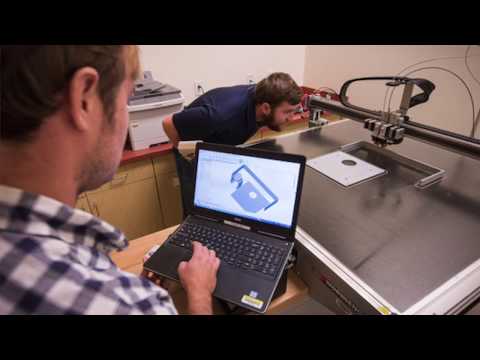
I remember my college days when a friend of mine was obsessed with 3D printing. He would talk about how you could create anything from simple toys to complex parts for rockets—and he was so into it that he even made a ceramic vase on his 3D printer! At first I thought, “Ceramics? Seriously?” But seeing him explain the whole process and how ceramics can be super strong and lightweight just blew my mind.
Let’s break this down a bit. Ceramic materials today aren’t just for your kitchenware! They’re being used in everything from aerospace to medicine. Imagine hip replacements that utilize specialized ceramics—these materials are biocompatible, meaning they don’t irritate the body. That’s pretty awesome, right? And get this: the same kind of advanced ceramics can withstand incredibly high temperatures and are used in jet engines!
What’s even cooler is how engineers are working on ceramics that can conduct electricity. Now that’s a big deal because we typically think of metals when it comes to electricity. So, what happens is these new materials can help develop better electronics while being more environmentally friendly.
I find it kinda heartening to see how science evolves—like those old dishes transforming into cutting-edge technology. It reminds me of how each generation builds on the last like snowy layers on a mountain peak. You think you’ve seen it all but then boom! Something new pops up.
So yeah, ceramic engineering isn’t just about cups and saucers anymore—it’s this amazing blend of art and science that keeps pushing boundaries. And who knows what’ll come next? It’s totally exciting to think about where this will lead us in the future!