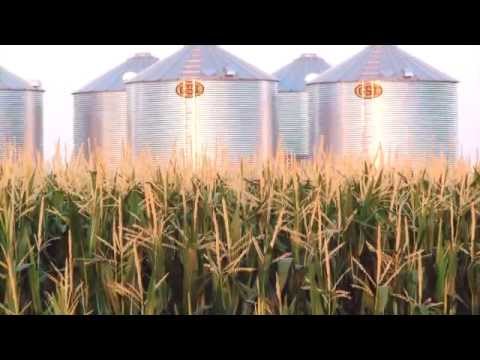
So, picture this: you’re at a summer barbecue, and someone starts talking about corn. Yeah, corn! The stuff you shove in your mouth while binge-watching your favorite show. Suddenly, it turns into a heated debate about which corn is better—GMOs or organic. Who knew corn could be so controversial, right?
But here’s the kicker. Corn isn’t just for popcorn and tacos. It’s also at the frontline of genetic engineering, and that’s kind of a big deal for sustainable farming. You might think of genetic engineering as some sci-fi movie plot twist, but it’s really about making crops hardier and more efficient.
Think about it: with climate change messing with our food supply, smart farming practices are essential. And corn is leading the way in this game. It’s like the superhero of crops! So let’s chat about how advancements in corn genetic engineering are shaping a greener future—no lab coats required!
Transforming Agriculture: The Impact of Genetic Engineering on Corn Production and Food Science
Transforming Agriculture is all about how science, particularly genetic engineering, is changing the game for corn production. This isn’t just some fancy tech talk; it’s literally reshaping how we grow our food and nurture our planet.
Corn, or maize as some call it, has been a staple crop for ages. But with the increasing demands of a growing population, farmers need to produce more with less. Here’s where genetic engineering steps in like a superhero. By tweaking corn’s genetic makeup, scientists can enhance its traits—like making it more resistant to pests or tolerant to drought.
So what are the key benefits?
- Pest Resistance: Engineers have developed corn that can fend off certain pests without needing heavy pesticides. This not only helps farmers save money but also makes the environment cleaner.
- Drought Tolerance: Some varieties are designed to thrive even when water is scarce. Imagine farmers not having to worry so much about dry seasons. It’s pretty revolutionary!
- Nutritional Improvements: Scientists can even enrich corn with vitamins and minerals, helping address malnutrition in areas where corn is a major food source.
But you might wonder how this all works? It often involves taking genes from one organism and inserting them into another—a process that sounds a bit sci-fi but is pretty common in nature too! Sometimes they use bacteria that naturally protect plants from harmful bugs.
Let’s think of an emotional angle here for a sec: picture a small farm in the Midwest struggling with unpredictable weather patterns. Traditional methods just won’t cut it anymore. With genetically engineered drought-tolerant corn, farmers can yield crops even during dry spells. That’s not just saving their business; it could mean food on families’ tables throughout the year.
Now, while it’s exciting to see these advancements, there’s also some controversy swirling around genetically modified organisms (GMOs). Many people ask questions about their safety and effects on health and biodiversity. Scientists continue to study these aspects closely—so basically, there’s constant evaluation happening in this field.
To sum it up: genetic engineering in corn production is paving the way for sustainable farming practices that could potentially feed more people while also keeping our environment intact. That means we’re not just focusing on how much food we can produce but also on doing it wisely and responsibly.
As you see, the future of agriculture looks bright—and it’s evolving faster than crops growing under the sun!
Benefits of Genetically Engineered Corn for Farmers: Enhancing Agricultural Efficiency and Sustainability
— or GMO corn, as many people call it— has been around for a while. And honestly? It’s made a pretty big splash in farming. Farmers are always looking for ways to boost their yields, save money, and be kind to the environment. So let’s break down how this whole genetic engineering thing helps out on the farm.
First up, one of the biggest benefits is resistance to pests and diseases. You know how annoying those pesky bugs can be? Well, some varieties of GMO corn are designed to produce their own pest-repelling toxins. This means farmers might not have to spray as many chemicals on their crops. Less pesticide use is not only good for farmers’ wallets but also better for the environment and nearby wildlife.
Then there’s the whole issue of drought resistance. With climate change causing unpredictable weather patterns, having corn that can survive with less water is a game changer. Some modified strains have traits that allow them to use water more efficiently or even thrive in dry conditions. Picture a farmer’s relief when they don’t lose an entire season of crops due to drought!
And hey, let’s chat about yield improvement. has been shown to produce higher yields compared to traditional varieties. For farmers trying to make ends meet, every extra bushel matters! More corn per acre means more profit and less land needed for farming— which is great news considering all the land pressure these days.
Now, here’s another cool point: sustainable practices. With traits like herbicide tolerance, farmers can manage weeds more effectively without tilling their fields too much. Less tilling means less soil erosion and better health for the soil itself. It’s a win-win!
Plus, there’s this growing trend called precision agriculture, where tech meets farming in super neat ways! Farmers can use data from sensors and drones along with genetically engineered crops to make decisions based on precise needs rather than guesswork. Imagine being able to target exactly what your plants need! It sounds futuristic but it’s happening now.
Lastly, let’s not forget about food security. As our global population grows, we’re going to need more food than ever before without necessarily expanding farmland. Genetically engineered crops could help bridge that gap by producing more food on existing agricultural land.
So yeah, genetically engineered corn isn’t just some science experiment gone wild; it really has tangible benefits for farmers aiming for efficiency and sustainability in an ever-changing world. In short? This innovation could play a key role in feeding our future while caring for our planet too!
Advancements in Agricultural Science: Two Key Examples of Genetic Engineering Enhancing Crop Yield and Resilience
You know, agriculture has come a long way, especially with the rise of genetic engineering. It’s not just about farming; it’s about creating crops that can withstand challenges like pests, diseases, and climate change. Let me share two key examples of how genetic engineering is making a difference in corn.
First up, there’s Bt corn. This is one of the most famous success stories in genetic engineering. Bt corn has been modified to include a gene from the bacterium Bacillus thuringiensis. This gene produces a protein that acts like a natural pesticide against certain crop-eating insects, like the pesky European corn borer. Imagine farmers being able to grow their crops without spraying as many chemicals! It not only boosts yield but also reduces the environmental impact of farming.
But wait—there’s more! Another exciting innovation involves drought-resistant corn. You see, with climate change messing with weather patterns, some regions have been facing more dry spells than usual. Scientists have developed corn varieties that can grow with less water. These crops have been engineered to enhance their ability to retain moisture and use water more efficiently. This means farmers can still harvest good yields even in tough conditions!
- Biodiversity: By creating these new varieties, we’re also promoting biodiversity within ecosystems.
- Sustainability: These advancements help foster sustainable practices by reducing reliance on chemical inputs.
- Food security: With growing populations, these crops play a crucial role in ensuring food availability.
A while back, I visited a local farm where the farmer had switched to using Bt corn and drought-resistant varieties. It was inspiring to see how relieved she was that her yield had improved even during unusually hot summers. She mentioned how it allowed her family to focus on other aspects of sustainability on her farm too—like planting cover crops to enrich soil instead of worrying just about pests or lack of rain.
The thing is, advancements in agricultural science are like the unsung heroes of food production! With tools like genetic engineering at our fingertips, we can work towards healthier plants that bring us more reliable harvests while being kinder on our planet.
You know, I’ve always found corn to be a pretty remarkable crop. It’s everywhere, right? From popcorn at the movies to corn tortillas for your tacos. Honestly, it kinda makes you wonder how on earth farmers manage to grow so much of it year after year. Well, advancements in genetic engineering are playing a big part in that.
A few years ago, I visited a small farm where the owner proudly showed me his fields of corn. He was passionate about experimenting with different techniques to make his crops more resilient to pests and droughts. While he was excited about traditional farming methods, he couldn’t help but mention how genetic engineering had revolutionized his approach. That really got me thinking about sustainability in farming.
So, picture this: scientists are now able to tweak the genes of corn plants so they can resist certain diseases or tolerate harsh weather conditions better. This means fewer pesticides are needed because the plants can naturally fend off pests. It’s like giving the corn its own set of superhero powers! Less pesticide means a healthier ecosystem and less chemical runoff into our water systems—great news for all those little fishies and plants downstream.
And then there’s the whole issue of climate change we hear so much about these days. Farmers are under constant pressure as weather patterns shift unpredictably. With advances in genetic engineering, they can develop varieties of corn that require less water or can withstand higher temperatures. Imagine being able to grow crops efficiently even when Mother Nature throws a tantrum—it’s kind of amazing!
But here’s the thing: while all this sounds great and innovative, it does come with its own set of challenges and concerns. Not everyone is on board with genetically engineered foods due to worries about long-term health impacts or environmental effects. And hey, that’s totally valid! It’s important for us as consumers to be educated about what we’re putting on our plates.
I mean, who knew that something as simple as corn could spark such deep conversations? It goes beyond just growing food; it’s really about balancing technology with nature’s needs and finding sustainable solutions for future generations.
In short, advancements in corn genetic engineering have opened up some exciting possibilities for sustainable farming practices—just like my friend at that farm showed me on our visit! But it’s essential we engage in thoughtful discussions about these innovations while keeping our planet—and ourselves—healthy. What do you think? Isn’t it fascinating how science and nature intertwine?