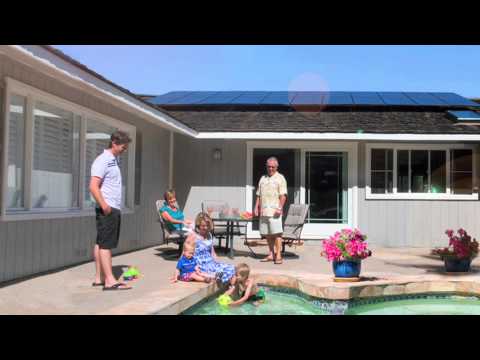
You know that feeling when you finally experience the warm sun after a gloomy week? It’s like, “Hello, sunshine! Where have you been?” Well, that same happiness can come from harnessing that sunlight in your own backyard.
Imagine your roof soaking up rays and turning them into usable energy. Sounds like something out of a sci-fi movie, right? But it’s totally real! Solar panels have come a long way, especially in terms of affordability. I remember my buddy Jake bragging about his new solar setup. He was all jazzed about how much he was saving on his electricity bill—like, who wouldn’t want to save some cash while being eco-friendly?
Anyway, let’s chat about how these affordable solar panels are changing the game for energy innovation. They’re not just cool gadgets; they’re actually paving the way for a brighter future for all of us. So stick around!
Understanding the 33% Rule in Solar Panel Efficiency: Implications for Renewable Energy Science
So, let’s talk about the **33% Rule** in solar panel efficiency. This concept is pretty important when discussing how well solar panels convert sunlight into usable energy. Basically, it boils down to the idea that, under ideal conditions, solar panels can turn about one-third of the energy from sunlight into electricity.
You might be thinking: “Wait, why can’t we get more?” Well, the truth is that sunlight has a lot going on. Not all wavelengths of light are equally good at generating electricity. For instance, while some light hits the solar panel and gets used, other wavelengths just kind of bounce off or pass through without helping out.
- Materials Matter: The types of materials used in solar cells play a big role in efficiency. Traditional silicon solar cells typically hit around that 20-22% mark for efficiency.
- Multi-junction Cells: It’s like a team effort with multi-junction cells; they stack different materials to catch more wavelengths of light. These can reach close to 45% efficiency under perfect conditions! But they are super pricey.
- Real-World Conditions: In reality, things like temperature and angle of sunlight really affect performance. Panels don’t always get shiny clear skies—they deal with clouds, dust, and all sorts of things.
So when folks talk about affordable solar panels nowadays, they’re not just looking for low prices; they’re also curious about how these panels stack up against that efficiency benchmark. Lower costs often mean using simpler materials or designs which might not quite hit that 33% mark.
Here’s a little story for you: I once visited a friend who had put up solar panels on his roof during a sunny summer day. The sun was shining bright but his output wasn’t as high as we expected—even though he had great panels! He later learned about shading from trees nearby and realized he might need to trim them back or even adjust the angle of his installation to capture more sunlight effectively.
What’s cool about this whole topic is how it ties into renewable energy innovation! As scientists continuously push boundaries in material science and technology development, we’re getting closer to better efficiencies without breaking the bank.
Also worth noting: as the demand for renewable energy grows, so does research toward improving those efficiencies while keeping costs down. That means things aren’t stagnant; new breakthroughs could change what’s possible soon!
In short? The **33% Rule** highlights both challenges and opportunities in making solar power even more effective for everyone while keeping an eye on cost too! Exciting stuff ahead!
Revolutionary Advances in Solar Panel Technology: Key Innovations to Watch in 2025
Solar panels have really come a long way, right? You know, back in the day, they were kind of clunky and expensive. But now, we’re seeing some seriously cool innovations that are making them more affordable and efficient. Let’s take a look at some revolutionary advances expected in solar technology by 2025.
First off, we’re talking about perovskite solar cells. These little guys have been buzzing around the science community for a while now. They’re made from materials that have an interesting crystal structure which allows them to absorb sunlight efficiently. Plus, they can be produced using less energy compared to traditional silicon-based panels. The thing is, they might even be cheaper to manufacture! Imagine powering your home without breaking the bank!
Then there’s the idea of bifacial solar panels. These panels can collect sunlight from both sides! How cool is that? They’re designed to capture reflected light from surfaces like buildings or even the ground. This means they could potentially generate more electricity compared to their one-sided counterparts. More power for your buck sounds good, huh?
Another exciting innovation is solar tracking technology. These systems allow solar panels to follow the sun across the sky throughout the day. It’s like watching a sunflower turn its head towards the sun! By adjusting their angle, these panels can increase their energy capture by up to 25%. Seriously, that’s like giving your panels a little boost every day!
Let’s not forget about integrated solar solutions. We’re seeing solar cells being built directly into rooftops or even windows now! This kind of design not only looks sleek but also helps eliminate bulky installations. You get your house looking good and it creates energy at the same time — totally rockstar!
But here’s something that might really knock your socks off: energy storage advances. With tech improving in battery storage, we’ll be able to store all that clean energy generated during sunny days for use at night or during cloudy weather. It’s all about making sure you have reliable access to power whenever you need it.
Now let me tell you about my neighbor Karen—she put up solar panels last year and honestly? She was super skeptical at first because of how much she’d heard about costs and efficiency. But after just a few months with her new system, she noticed her electricity bill dropped significantly! She was practically doing cartwheels over her savings while feeling great about using renewable energy.
In essence, these innovations aren’t just cool techy stuff — they really mean something for all of us down here on Earth. The future of solar technology looks brighter than ever… pun intended! As we gear up for 2025, keep an eye out for these advances; they could change how we think about power generation completely.
So yeah, that’s what’s cooking in solar panel innovation! Exciting times ahead for clean energy enthusiasts everywhere!
Understanding High Light Bills with Solar Panels: Analyzing Energy Consumption vs. Generation
So, you just installed solar panels and are looking at your energy bill, scratching your head? It’s a common scenario. Let me break it down for you. Understanding how solar panels work in relation to your energy consumption is super important for figuring out those bills.
First off, **solar panels turn sunlight into electricity**. They generate energy during the day, which is great when the sun’s shining bright. However, here’s the kicker: most of our energy use happens when the sun goes down—like at night when we flip on all those lights and fire up appliances.
Now, let’s chat about energy consumption vs generation. If your home uses a lot of electricity during non-sunny hours, you’ll still need to draw from the grid. This means that even with solar panels, if they’re not generating enough power to meet your needs throughout the day and night, you might still see higher bills.
Here are some points to consider:
Now let’s talk numbers for a second: if you generate 10 kilowatt-hours (kWh) during peak sunny hours but use 15 kWh after dark, you’re going to have to make up that 5 kWh difference from the grid. So yeah, it’s like having an empty tank—if you’re only filling it halfway every day while trying to drive all week long.
Also worth mentioning is how **seasonality** impacts things. In winter months or cloudy regions where sunlight isn’t abundant, you’ll likely see less generation than in peak summer months. You could find yourself relying more heavily on traditional electricity sources then=.
Here’s something personal: I remember my friend got his first set of solar panels last year. He was excited about cutting costs until he saw his bill shot up one month due to using more heat in January. Turns out he didn’t adjust his habits and didn’t produce enough juice during those darker days!
In summary? Solar panels can be an awesome investment and really help with bills over time—but they don’t automatically solve everything on their own. It’s crucial to look at how much energy *you’re* using versus what *they’re* producing daily and seasonally! Keep an eye on patterns; habits change everything!
You know, when I was a kid, I remember my dad trying to fix our old radio. He was never great at it and would often make it worse than it was. But one day, after tinkering for hours, he finally got it to work! The joy in his eyes was unforgettable. That moment kind of reminds me of how we approach energy innovation today—especially with affordable solar panels.
These days, solar panels aren’t just for the wealthy or tech nerds living off the grid anymore. They’ve become a feasible option for many people. And it’s kind of wild when you think about it. Just a few years ago, the idea of slapping some shiny panels on your roof seemed like a pipe dream for most folks out there.
So these panels have really started to democratize energy production. Like, instead of relying solely on big coal plants pumping out energy and filling the air with horrible stuff, you could have your own little power station right at home! Imagine saving money while also helping the planet—feels pretty good, huh?
Now that’s not to say that it’s all sunshine and rainbows (ha!). There are still challenges ahead—like what do we do with all those old panels when they’re done? But let’s face it: every advance comes with bumps in the road. Yet I can’t help but feel hopeful when I see communities rallying around solar projects. It’s like that moment when my dad finally got the radio working—together we can make things better.
Plus, technology keeps improving. The efficiency of solar cells is getting better every year, which means they can produce more energy without taking up more space! As costs drop and innovation ramps up, you’ve got this amazing potential for change.
So yeah, affordable solar panels are not just a financial investment—they represent a shift in how we think about energy itself. It’s like people are reclaiming power in multiple ways: financially and environmentally. And if we can keep pushing forward with creativity and collaboration, who knows what other cool things are waiting around the corner?