Alright, picture this: you’re chilling in your backyard, soaking up the sun on a lazy Saturday. Suddenly, you realize that all this sunshine could actually power your house. I mean, how cool is that?
Seriously though, solar energy panels are kind of like magic windows to the sun’s energy. They capture sunlight and turn it into electricity. It sounds like something out of a sci-fi movie, but it’s real life!
I remember when my neighbor got solar panels installed. At first, I thought they were just trying to show off. But then they started talking about saving money and helping the planet—totally made me rethink my own electric bill situation.
So let’s dive into how these panels work and why they’re becoming such a big deal today! You might just catch some rays… and knowledge!
Understanding the 33% Rule in Solar Panel Efficiency: A Scientific Exploration
Alright, let’s get into this whole 33% rule in solar panel efficiency. You know, it might sound like a dull number, but it’s actually pretty cool when you break it down. This rule is like a benchmark for how much sunlight can be turned into usable electricity by solar panels.
First off, what’s the deal with that 33%? Well, the thing is, when we talk about solar panel efficiency, we’re basically looking at how well those shiny panels convert sunlight into energy. Most traditional solar panels out there are usually around 15% to 20% efficient. That means if you throw in some sunshine, only that fraction gets transformed into good old electricity. But researchers believe that in an ideal situation—or as close as we can get—the maximum possible efficiency hovers right around the 33% mark.
Now, let’s dive deeper into why this number even exists. So, the limit is tied to something called the Shockley-Queisser limit. This is a fancy term that describes how much energy from sunlight can be captured based on its spectrum and the physics of semiconductor materials used in solar cells. Basically, some energies are wasted as heat or reflected away instead of being converted to electricity.
So what does this mean for your average consumer? If scientists can push past that 33%, we could see incredible advancements in how effective solar energy becomes! Right now, people are experimenting with different materials and technologies to try and break through that ceiling. For instance:
- Multi-junction solar cells: These beauties stack layers of different semiconductor materials to capture various wavelengths of light—huge potential there!
- Perovskite cells: A newer player on the field; they have shown promise in achieving higher efficiencies at lower costs.
- Concentrated solar power (CSP): Instead of using just panels, CSP focuses sunlight using mirrors or lenses to generate heat for power generation.
Okay, so let me share a little personal moment here: I remember visiting a renewable energy fair a couple years back. There was this enthusiastic scientist showcasing new types of multi-junction cells achieving over 40%! I mean, seeing their excitement about pushing boundaries really fueled my curiosity about all things solar.
But then comes reality: deploying these next-gen technologies can be super tricky! They often come with higher manufacturing costs or challenges related to stability over time compared to conventional panels.
You might wonder why all this matters? Well, if we could break past that efficiency threshold significantly—and not just theoretically—imagine the impact on our ability to harness renewable energy and reduce dependence on fossil fuels! That’s where innovation really shines.
In essence, understanding the 33% rule isn’t just about numbers; it reflects our ongoing quest for better technology and more sustainable solutions for our planet’s future. As scientists continue their research and development—who knows what amazing breakthroughs lie ahead? Keep your eyes peeled!
Elon Musk’s Insights on Solar Panels: Implications for Renewable Energy Innovation
Elon Musk has shared some pretty interesting thoughts on solar panels, and it’s worth taking a look at what he’s said and what it all means for renewable energy innovation. You know, solar energy has been around for a while, but lately, more and more people are turning their attention to this clean power source. So, let’s get into it.
One of the big ideas Musk promotes is making solar panels more accessible. He’s often talked about how important it is for everyday folks to easily adopt solar technology. The thing is, the more people who use these energy sources, the bigger impact we can make on reducing carbon emissions. Plus, he believes in integrating solar panels with home batteries—like the Tesla Powerwall—so you can store sunlight for when you really need it. Pretty smart.
Another point he makes is about efficiency. Solar panels have come a long way in terms of how much sunlight they can convert into usable electricity. When he mentions efficiency, he’s talking about pushing this tech even further! Imagine if we could boost the current efficiency rates from around 20% to 50% or more—that would change everything! Think of how many fewer panels you’d need to power your home.
Then there’s cost reduction. Musk emphasizes how important it is to bring down the price of solar technology. Right now, even though prices have dropped significantly in recent years, if we want widespread adoption, we’ll need prices to keep falling. Lower costs mean more homes and businesses can afford to go green without breaking the bank.
Also, there’s the whole idea of innovative designs. Musk has pushed for sleek designs that aren’t just functional but also aesthetically pleasing. It might sound trivial, but having attractive solar solutions can change public perception and encourage adoption—you wouldn’t want something ugly on your roof!
When we talk about implications for renewable energy innovation as a whole, we can’t ignore how this all connects with battery technology and electric vehicles too. They all kind of work together in this beautiful synergy: solar power charges your car or home battery storage system during the day so you’re set for later when it’s dark out or when you need extra juice.
In addition to these points from Musk’s insights, there’s also an emotional aspect tied up in all this: envisioning a sustainable future drives a lot of people today. When manufacturers like Tesla make strides in renewable technologies like solar panels and batteries, they inspire others to think creatively about sustainability too—you know?
So yeah, Elon Musk’s take on solar panels goes beyond just tech; it encourages innovation that’s aimed at making renewable energy part of everyone’s life. By enhancing accessibility and efficiency while driving down costs with stylish designs—it feels like there’s real momentum building toward a brighter future powered by clean energy!
And if you’re curious about diving deeper into any specific aspect or related technology—just holler!
Exploring the Decline: Reasons Behind Solar Panel Disposals in Modern Energy Science
Sure, let’s get into it! Solar panels are a fantastic way to harness energy from the sun. But sometimes, they get disposed of, and that’s where things get a bit tricky.
First off, let’s talk about lifespan. Solar panels usually have a lifespan of about 25 to 30 years. After that, they start losing efficiency. You might think they’re useless then, but they can still produce energy—just not as much. It’s like running an old car; it still works but doesn’t perform like it used to.
Next up is technology improvement. As science moves forward, we keep inventing better solar panel technologies. The newer models can be more efficient or cheaper to produce than their predecessors. So people might choose to replace old panels with shiny new ones instead of keeping the old ones around. You see this in your tech life too—ever tried using a flip phone today? Didn’t think so!
The cost factor also plays a big role. Even though solar energy is generally seen as a long-term investment, sometimes the initial costs can be high for installation and purchase. When technology advances and becomes cheaper, people might decide it makes more sense to ditch their old panels and go for new ones that promise better returns.
There’s also maintenance. Old solar panels can sometimes require repairs or upkeep that just doesn’t seem worth it anymore. Imagine your favorite pair of shoes—they can last forever, but if you keep having to patch them up or spend money on them when new ones are cheaper… well, it’s tempting to say goodbye.
Another reason is regulations and recycling issues. Some regions are starting to enforce stricter rules on how long you can use certain technologies before disposing of them responsibly. This is great for the environment but adds another layer of complexity.
And here’s where things get emotional for some folks—many people care deeply about sustainability! It’s heartbreaking if your solar panels end up in a landfill when there are ways to recycle parts of them or refurbish them for second-use applications.
To wrap this up nicely: while solar energy is awesome and super beneficial for our planet in many ways, there’s this whole other side about what happens after those panels reach their twilight years. From lifespan issues through technological advances and cost factors right down to sustainable disposal practices—there’s plenty going on behind the scenes.
So next time you hear about solar panel disposals, remember it’s not just about being wasteful; it’s often a mix of practicality and progress driving those decisions!
So, let’s chat about solar energy panels. You know, those shiny things that are popping up on roofs everywhere? It’s kind of like a new fashion statement for houses—except this one’s all about being eco-friendly and smart.
I remember a time back in high school when our science teacher took us on a field trip to a solar farm. Honestly, I thought it was gonna be boring, but wow, was I wrong! Walking among those massive panels soaking up the sun, you could feel this buzz in the air. It made you realize how powerful the sun really is—a huge ball of energy just hanging out above us!
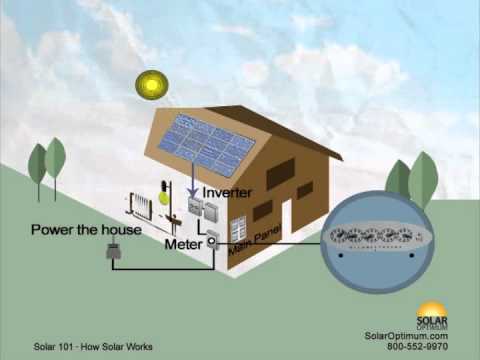
So here’s the deal: solar panels work by converting sunlight into electricity. They’re made up of something called photovoltaic cells. When light hits these cells, they get excited (like kids on a sugar rush) and start moving electrons around. This movement creates electricity! Pretty cool, right?
But it’s not just about catching rays. There’s this whole scientific layer to it—how efficient the panels are at converting sunlight into usable energy can depend on lots of factors like temperature, angle of sunlight, and even the type of material used in the panels. So yeah, some panels are like superstars at capturing energy while others… well, they’re still learning.
And then there’s the impact on our planet! Using solar energy helps reduce our reliance on fossil fuels and cuts down carbon emissions. I mean, think about it: every time you see one of those panels generating power instead of coal or oil being burned somewhere else—boom! That’s less pollution going into our air.
Still, it’s not all sunshine and rainbows. There are challenges too. The manufacturing process for solar panels can be resource-intensive, and not everyone has access to install them because—let’s be real—they can be pricey upfront.
But hey, with technology advancing and more people getting interested in renewable energy sources, things are changing fast! Who knows? Maybe one day your neighborhood will look like one big glowing array of solar panels soaking up every bit of sun.
In short, harnessing solar energy is like flipping a switch to connect with nature while keeping our tech-driven lives buzzing along nicely. With every panel installed, we’re making strides toward a cleaner future—and that feels pretty powerful!