You know what? Collagen is like the superhero of proteins. Seriously! It’s in your skin, bones, and even tendons. When you think about it, it’s kind of amazing that something so simple plays such a massive role, right?
Let me tell you a story. A few years ago, I was at this family BBQ. My aunt had this juicy roast on the table. And while everyone was raving about the flavor, I was thinking about how that tender meat was basically collagen breaking down into yummy goodness. Yep, that’s how important collagen is in our lives!
But wait—there’s more! Collagen is not just a tasty treat; it’s also crucial for keeping your body strong and flexible. The thing is, understanding its chemical structure can unlock secrets about health and aging we’ve been trying to figure out forever. So stick around; we’re gonna break down why collagen is such a big deal!
Exploring the Relationship Between Collagen Structure and Function in Biological Systems
Collagen is like the unsung hero in our bodies. Seriously, it’s everywhere! Think of it as the glue that holds everything together. This protein not only gives structure to our skin, bones, and connective tissues but also plays a crucial role in how these systems function.
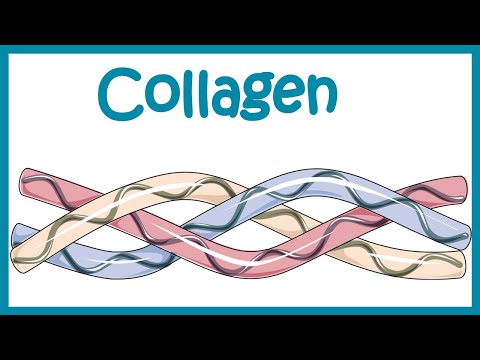
So, what’s the deal with its structure? Well, collagen is a long, fibrous protein made up of three intertwined chains that form a triple helix. Imagine three long spaghetti strands twisted together. This unique shape is key to its strength and flexibility. It’s super strong yet can still bend without breaking—kind of like how an elastic band stretches.
In terms of biological importance, collagen serves several functions in our bodies:
- Support and Strength: It provides structural support to tissues and organs.
- Elasticity: Helps skin retain its firmness and elasticity.
- Healing: Essential for wound healing and tissue repair.
- Bone Formation: Acts as a framework for bone mineralization.
You know how when you’re young your skin feels so plump and fresh? That’s collagen at work! But, as we age, our bodies produce less collagen, which leads to wrinkles and sagging skin. It’s kind of sad when you think about it, but that’s just life.
Let’s dive a bit deeper into those functions I mentioned earlier. Collagen helps maintain the integrity of cartilage in joints. If you’ve ever felt sore after exercising (and who hasn’t?), it might be due to wear on your cartilage because there wasn’t enough collagen support!
Another cool fact is that collagen surrounds muscles too. When you lift weights or run, it helps to keep everything in place while allowing movement. It’s like having a supportive friend cheering you on!
And then there’s bone health! Collagen gives bones their structure and strength. When it breaks down (like due to aging or certain diseases), bones can become weak or brittle—a condition known as osteoporosis.
So yeah, the relationship between collagen structure and function is pretty critical for keeping us healthy and active throughout life. Without enough good quality collagen, we’d really feel the effects in our daily lives—from joint pain to less resilient skin.
In conclusion (well kinda), understanding this relationship helps scientists find new ways to treat conditions related to aging or injury by focusing on improving or supplementing collagen levels in our bodies. And that’s something worth getting excited about!
Understanding the Unique Structural Features of Collagen in Biological Science
Collagen is such an interesting topic, honestly. It’s one of those things that you don’t think about until you start digging into it! So, what is collagen anyway? Well, it’s a kind of protein and, believe it or not, it makes up about a third of the protein content in your body. Yeah, that’s quite a chunk!
First off, let’s talk about its structure. Collagen is mostly made up of three amino acids: *glycine*, *proline*, and *hydroxyproline*. These little guys are like the building blocks that stick together to form long chains. Imagine a rope made from a bunch of strands twisted together; that’s sort of what collagen looks like!
Now here’s where it gets cool. Collagen forms triple helices—this means three strands wrap around each other. This helical structure gives collagen its strength and resilience. Think of it like a really sturdy piece of yarn that can hold a lot without breaking.
- Strength: The triple helix structure helps collagen resist tension. That’s why it can be found in places like tendons and ligaments which need to take on loads.
- Flexibility: Even though it’s super strong, collagen also has some give to it, which allows tissues to stretch without tearing.
- Support: You’ll find collagen everywhere – in skin, cartilage, bones—you name it! It provides the structural support that keeps everything intact.
I remember once watching this documentary about how our skin ages over time. As we grow older, our body slows down its production of collagen, resulting in wrinkles and sagging skin. It’s pretty wild to think something as simple as protein can give us youthfulness or make us look older!
Biologically speaking, collagen plays several crucial roles aside from just being structural. It helps with wound healing too! When you get hurt, your body sends out signals to produce more collagen at the injury site to help repair the tissue.
You might be thinking: why should I care? Well, understanding how important this protein is could help when considering nutrition or even skincare options later on! Plus, knowing how amazing these little amino acids are opens up so many questions about health and aging.
Long story short—collagen has unique structural features that contribute significantly to its biological functions. It primarily consists of amino acids forming triple helices for strength and flexibility, playing vital roles in maintaining our body’s integrity and function.
So yeah! Isn’t science just fascinating?
Understanding Collagen Structure and Function: Insights into Its Role in Biological Systems
Sure! Collagen is one of those proteins that you hear about a lot, especially when people talk about skin, joints, or even beauty products. But what’s the deal with it? Let’s break it down into bite-sized pieces.
What is Collagen?
So, collagen is basically like the glue that holds everything together in our body. It’s a protein made up of long chains of amino acids. This structure gives it strength and elasticity. There are more than 28 different types of collagen, but the four main ones you’ll often hear about are Type I, II, III, and IV. Each type has its own special job depending on where it’s found in the body.
The Chemical Structure
Collagen molecules have a unique triple helix structure. Imagine three ropes twisted together—this makes them super tough and resilient. Each chain has a repeating sequence: glycine-proline-X (where X can be any amino acid). This specific pattern helps maintain their structure and function throughout your body.
Functionality
Now let’s talk about what collagen actually does in biological systems. Basically, it provides structural support in various tissues including skin, bones, tendons, and cartilage. You know when you jump or run? That’s your cartilage cushioning all those impacts thanks to collagen fibers woven throughout.
- Skin: It gives your skin strength and elasticity.
- Bone: Collagen makes up a significant portion of bone mass—approximately 90%. It supports bone density.
- Tendons & Ligaments: Here’s where you’ll find Type I collagen; it helps tendons connect muscles to bones.
- Blood Vessels: Type IV collagen plays a role in creating the walls of blood vessels.
Anecdote Alert!
I still remember when my grandmother hurt her knee trying to show me how to dance (classic grandma move!). She was mostly okay after resting but had to go through some therapy because her cartilage was getting weaker with age. That’s the thing—collagen production decreases as we get older. So yeah, even our joints need that lovely glue to stay intact!
The Biological Importance
The importance of collagen can’t be overstated. It not only provides support but also plays roles in cell signaling and regulating tissue turnover. Think about your skin healing after a cut; that’s collage working hard to anchor new cells together.
You know something interesting? Certain nutrients like vitamin C are crucial for collagen synthesis! Without enough vitamin C in your diet, your body struggles to produce sufficient amounts of this marvelous protein.
So there you have it—collagen is not just some beauty buzzword; it’s a vital component for several biological systems and helps keep our bodies functioning smoothly. If you’ve ever thought about why having strong tissues matters or how they maintain their integrity over time—well, now you know!
Collagen, huh? It’s one of those things we often hear about but might not really grasp how essential it is. This fancy protein, which actually makes up a whopping 30% of our body’s protein content, has a unique structure that gives it its strength and flexibility. So, let’s break it down a bit.
First off, collagen is made up of long chains of amino acids. You know those building blocks of proteins? Well, collagen chains twist together to form a rope-like structure called a triple helix. This is super cool because it gives collagen some serious tensile strength—like the stuff you need to hold your skin together or keep your bones strong.
Think about it for a second: every time you bend your elbow or stretch your skin when you smile, there’s collagen doing its job silently behind the scenes. I remember once spraining my wrist playing basketball (classic move!). My doctor explained how collagen would help in healing and keeping my tissues intact. It really hit me how vital this protein is—not just in keeping us looking young and sprightly but also in our everyday movements and recovery.
So, yeah, aside from just being the beauty buzzword at spa days and skincare routines, collagen plays a massive role in our joints, tendons, ligaments—and even blood vessels! It’s like this hidden scaffolding throughout our bodies that we often take for granted.
Then there’s also the biological importance of collagen during growth and development. For example, babies have higher levels of type III collagen that help their bodies grow faster; as we age though, our production slows down—hence those wrinkles! But who doesn’t want to keep that youthful glow for as long as possible?
And here’s something interesting: there are different types of collagen (at least 28 that scientists have identified!). Type I is the most common one found in skin and bones; type II mainly shows up in cartilage; type III hangs around in blood vessels—each performing its own specialized mission.
Anyway, next time you hear someone raving about collagen supplements or face creams promising eternal youth, remember they’re tapping into something deeply rooted in biology! Collagen isn’t just an ingredient; it’s like nature’s own glue holding everything together—the unsung hero behind so many functions in our body. It’s pretty amazing when you think about how intertwined chemistry and biology are within us.