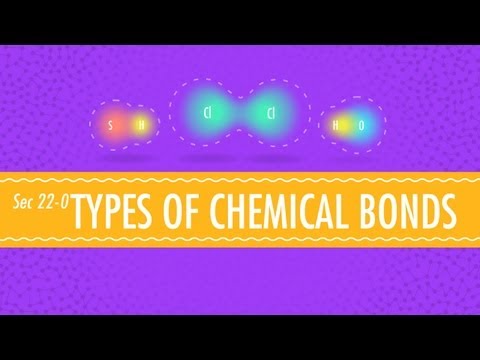
You know that moment when you’re trying to hold your favorite snack together with just one hand? Like, you’re juggling chips and dip, and somehow it all works out? That’s kind of how atoms feel in chemistry.
Seriously! Atoms want to connect, like they’re at a party searching for their perfect dance partner. When they bond, that’s when the real magic happens: molecules form, and everything gets a little more interesting.
Ever thought about what makes water so amazing? It’s all about those bonds! So let’s chat about how these tiny connections create the big stuff we see around us every day—trust me, it’s cooler than it sounds!
Exploring the Four Types of Chemical Bonding: A Comprehensive Guide for Science Enthusiasts
Sure! Let’s break this down in a way that feels casual and friendly, but still covers the nitty-gritty of chemical bonding. Here we go!
Chemical bonding is like the glue that holds everything together in chemistry. It’s how atoms connect to form molecules, which are basically the building blocks of all matter. There are four main types of chemical bonds you’re gonna wanna know about: ionic, covalent, metallic, and hydrogen bonds. Each bond is unique and plays a special role in how substances behave.
Ionic Bonds: So, imagine two atoms that are just not getting along. One is super eager to lose an electron (let’s say it’s a sodium atom), and the other is desperate to gain an electron (like chlorine). When sodium gives up its electron, it becomes positively charged, while chlorine becomes negatively charged after gaining that electron. Now they’re stuck to each other like best buds because opposites attract! This kind of bonding usually happens between metals and nonmetals, and you see it a lot in table salt (NaCl).
Covalent Bonds: Now, let’s talk about covalent bonds. Picture two atoms who decide, “Hey, let’s share!” Instead of giving away or taking electrons, they actually share them. This happens often with nonmetals. For example, when two hydrogen atoms get together with an oxygen atom to form water (H2O), they share electrons so everyone’s happy! These shared pairs can be single or double bonds depending on how many electrons are being shared.
Metallic Bonds: Ever heard of a metal band? Well, metallic bonds are like the jam session where all metal atoms come together! In this bond type, metal atoms pool their electrons into a big sea of electrons that flow freely around them. This sort of sharing means metals can conduct electricity really well; think of copper wires powering your gadgets! Plus, because these electrons can move around easily, metals can also bend without breaking.
Hydrogen Bonds: Finally, let’s chat about hydrogen bonds. You might be thinking “Wait… wasn’t hydrogen already covered?” Sorta! But here’s the twist: hydrogen bonds happen when hydrogen is part of a polar covalent bond—like in water—interacting with electronegative elements like oxygen or nitrogen from other molecules. Think about it as a friendly handshake between molecules; not as strong as ionic or covalent bonds but super important for things like how water behaves.
Each type of bond affects its materials differently—some are strong and rigid while others are flexible or even gooey! And this matters more than you might think. For instance, if you’ve ever felt how some metals are hard and shiny while others crumble easily—yeah, that all comes down to their bonding types!
So there you have it—the four types of chemical bonding explained in simple terms! It’s wild how tiny particles stick together in such incredible ways to create everything around us—from your morning coffee to the air we breathe. Science truly connects us all!
Exploring the 7 Types of Chemical Bonding: A Comprehensive Guide for Science Enthusiasts
Alright, let’s chat about chemical bonding! It might sound like a complex topic, but when you break it down, it’s pretty cool how atoms come together. So, chemical bonds are what hold atoms together to form everything around us. There are seven main types of chemical bonds worth knowing, and I promise this will be easy to follow.
Covalent Bonds are like the friendship bracelets of the atomic world. Atoms share electrons in this bond, creating a strong connection. Imagine two friends holding hands—by sharing those electrons, they become stable and happy together. Common examples include water (H₂O) and carbon dioxide (CO₂).
Ionic Bonds are a bit different. Here, one atom gives up an electron and another one grabs it—like if one friend gave away their candy to another friend who really wanted it. This creates charged particles called ions that stick together because opposites attract. Table salt (NaCl) is a classic example.
Then there’s Metallic Bonds. You can think of these as a bunch of atoms hanging out in a pool of electrons that flow freely. The metal atoms share their electrons with many other atoms around them; it’s like everyone at a party dancing with each other! This gives metals their shiny appearance and makes them conduct electricity well.
Next up is the Hydrogen Bond. These aren’t “real” bonds like the others; they’re actually weaker interactions between molecules when hydrogen is involved. Think about how water molecules stick together—this is why we see those cute droplets on leaves after rain!
Now let’s move to Van der Waals Forces, which are kind of like the shy friends at parties who don’t dance but still hang out together. These Forces can occur between all kinds of molecules and arise from temporary shifts in electron positions that create slight attractions.
We can’t overlook Coordinate Covalent Bonds, either! In these cases, one atom donates both electrons for forming a bond while the other simply accepts them—kinda like sharing your whole pizza with someone who’s really hungry!
Lastly, there’s Disulfide Bridges, which mostly show up in proteins. These bonds form between sulfur atoms in amino acids—think of them as strong stitches that hold protein structures together.
So yeah! Each type plays its part in creating everything from simple compounds to intricate biological molecules. Understanding these connections gives you a deeper appreciation for chemistry—and really makes you feel like an atom explorer!
Understanding Atomic Bonding: The Science Behind Atoms Joining Forces
Sure! Let’s talk about atomic bonding. It’s like the social life of atoms, and honestly, it’s pretty cool. Atoms are these tiny building blocks that make up everything around us, and when they bond together, they form molecules. So how do they get together?
There are three main types of bonding: ionic, covalent, and metallic. Each is a bit different in how atoms decide to “hook up.”
Ionic bonding happens when one atom gives away an electron to another atom. You can think of it like sharing a cookie between friends—one person has too many cookies (electrons) and gives one away because the other friend really wants one. For example, table salt (NaCl) is made through ionic bonding between sodium (Na) and chloride (Cl). Sodium gives up an electron to chlorine, creating charged ions that attract each other.
Now let’s talk about covalent bonding. This is more like two friends agreeing to share their cookies instead of giving them away entirely. In this kind of bond, atoms share electrons equally or unequally. For instance, water (H2O) shows covalent bonding where oxygen shares its electrons with hydrogen atoms. It’s like they’ve formed a little club where they all help each other out to stay stable.
Then there’s metallic bonding. This is kind of unique because it happens between metal atoms where electrons are shared among many atoms rather than between just two. Imagine a big group hug where everyone is holding hands! In metals like copper or aluminum, the electrons are delocalized—meaning they move freely around—all the time which gives metals their shiny look and makes them great conductors.
So you see? Atomic bonding isn’t just some dry topic; it’s actually pretty dynamic! These interactions affect properties like melting points, boiling points, and how substances react with each other.
When you’re looking at substances in your kitchen or even in your body—yup, those bonds are right there working hard for you! It’s amazing how something so small can have such a huge impact on everything around us.
In summary:
- Ionic bonds: transfer of electrons; like sharing cookies.
- Covalent bonds: sharing of electrons; forming little clubs.
- Metallic bonds: pooling resources; group hug of electrons!
Remember that these connections help shape our world—from water as we drink it to the metals we use every day. So next time you’re enjoying something simple—like a glass of lemonade—that sweet refreshing drink has countless atomic bonds working tirelessly behind the scenes. Pretty neat, huh?
You know, thinking about bonding in chemistry makes me feel a bit like a matchmaker, seriously! I mean, it’s all about how atoms link up to form molecules, and that’s pretty magical in its own right. Picture two people meeting at a party – some totally vibe and connect instantly while others just kinda awkwardly stand around looking at their phones. That’s kinda like atoms too.
Atoms are these tiny building blocks of everything around us. You’ve got your protons, neutrons, and electrons all swirling around trying to find their place. So when it comes to bonding, you really have two main players: ionic bonds and covalent bonds. Ionic bonds happen when one atom gives up electrons to another one. It’s like handing over the keys to your car! It creates charged particles called ions that stick together tight because opposites attract.
Then there are covalent bonds where atoms share their electrons instead of giving them away. Imagine two friends deciding to co-own a pizza! They’re both getting something out of it. This sharing can create strong connections, molding everything from water (H₂O) to DNA.
And don’t even get me started on metallic bonds! Those are like a team of buddies who decide it’s time for a group hug – they share their electrons loosely so they can move around freely. That’s what makes metals conductive and shiny!
Honestly, it’s wild how these tiny interactions define our entire world – from the water you drink to the air you breathe. I remember once doing an experiment in high school where we mixed baking soda with vinegar – yeah, that classic volcano thing. Seeing those bubbles fizzing up was just like watching atoms doing their dance as they bonded and broke apart in that reaction.
Bonding isn’t just some abstract science lesson; it’s happening all around us continuously! Like friendships or relationships that grow stronger over time through shared experiences and collaboration—pretty cool when you think about it!