You know that moment when you’re trying to fix something, and you end up just making it worse? Yeah, I’ve been there too. Picture this: you’re gluing a broken mug and manage to spill the whole thing everywhere. Total mess! But here’s the thing—what if I told you that in the world of science, there’s something way cooler than glue?
Metal bonding chemistry is like a superhero squad for atoms. It’s what allows materials to stick together in ways that lead to some seriously mind-blowing innovations. From cars to smartphones, it’s all about how metals team up at the atomic level.
I mean, isn’t it wild to think about how these tiny particles have such a huge impact on our everyday lives? Let’s dig into how these atomic unions shape our world for the better. Trust me; you’ll be geeking out over metal bonding chemistry in no time!
Exploring Atomic Bonding: How Chemical Bonds Unite Atoms in the Science of Chemistry
So, let’s talk about atomic bonding. It’s like the glue that holds everything together in the world of chemistry. You know, without these little bonds, atoms would just be floating around aimlessly, and, well, things would get pretty chaotic!
Atoms are the basic building blocks of everything. Imagine them as tiny Lego pieces. And just like you stick Legos together to build something cool, atoms bond with each other to form molecules and compounds. But not all bonds are the same; there are different types that play unique roles in chemistry.
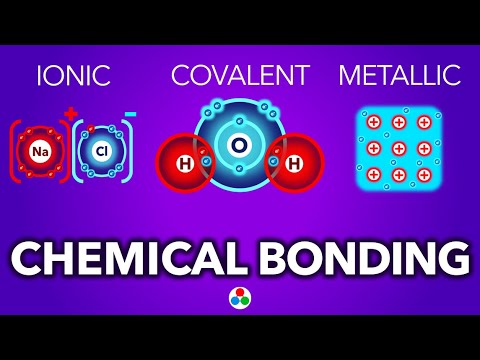
First up is ionic bonding. This happens when one atom gives up an electron to another atom. Picture it like a game of hot potato where one player (the donor) throws an electron to another (the receiver). The atom that loses an electron becomes positively charged, and the one that gains it becomes negatively charged. These opposite charges attract each other strongly! Common examples include salt—yep, that’s sodium and chlorine hanging out together.
Then we have covalent bonding. This is where atoms share electrons instead of just tossing them around. Think of it like a partnership where both sides get something out of it. For instance, water is made up of hydrogen and oxygen sharing electrons.
Next on our list is metallic bonding. Okay, so this one’s cool because it’s all about metal atoms acting like a big happy crowd at a concert! In metallic bonds, you have lots of metal atoms clustered together, sharing electrons freely among themselves. It’s what gives metals their shiny look and makes them good conductors of heat and electricity.
Here’s why these bonds matter:
- Structure: They determine how substances are built—think steel vs gold.
- Properties: The type of bond affects things like melting points or electrical conductivity.
- Reactivity: Different bonds mean different ways substances react with each other.
An interesting example here is how metallic bonding contributes to innovation in technology. Conductive materials made from metals can lead to better electronics! So when you text or scroll through your phone, those metallic bonds are doing their job behind the scenes.
Now think about those chemical bonds as the scientists’ toolkit for creating new materials or medicines. They can break and reform during reactions which leads to new creations—like when you bake bread! The heat breaks old bonds in flour while forming new ones with yeast.
In summary, chemical bonding isn’t just a technical topic for textbooks; it shapes our everyday lives in countless ways. So next time you come across something made from different elements or materials—give a thought about those tiny atomic connections! They’re more than just science—they’re stories waiting to be told.
Exploring Atomic Bonding: Understanding the Goals and Mechanisms Behind Atomic Interactions in Chemistry
Atomic bonding is like the glue that holds everything together in the world of chemistry. It’s the reason why different elements come together to form compounds. You know, atoms are small—like super tiny building blocks. But what makes them stick to each other? Let’s break it down!
To start, there are a few main types of atomic bonds: ionic bonds, covalent bonds, and metallic bonds. Each has its own way of uniting atoms:
- Ionic bonds happen when one atom gives up an electron to another atom. This creates charged particles called ions that attract each other, sort of like magnets! When sodium meets chlorine, sodium loses an electron and becomes a positive ion while chlorine gains it and becomes negative. They form table salt!
- Covalent bonds occur when two atoms share electrons. Imagine two friends sharing their toys; that’s what happens here! For example, in a water molecule (H2O), oxygen shares electrons with hydrogen atoms.
- Metallic bonds. Now this is where things get interesting! In metals, atoms share their outer electrons with many neighbors—kinda like a big community barbecue where everyone shares food! This results in metals being good conductors of electricity and heat because those electrons move freely.
Now let’s talk about the goals of atomic bonding. The primary goal is stability. Atoms want to have full outer electron shells because it makes them feel secure—almost like packing up nicely in a cozy blanket! For many elements, having eight electrons in that outer shell (known as the octet rule) feels just right.
When we look at metal bonding chemistry, things get even cooler. Metals bond together by forming networks where their outer electrons are shared across many atoms rather than just between two. This communal sharing leads to some amazing properties:
- Malleability: You can hammer metals into sheets without breaking them!
- Ductility: Metals can be stretched into wires easily without snapping.
- Conductivity: Those free-moving electrons allow for electricity and heat to flow smoothly through them.
Think about it: when you use copper wiring in your home or aluminum foil in your kitchen, you’re witnessing atomic bonding at work!
One emotional anecdote comes to mind: I remember sitting in my high school chemistry class, learning about how metals can conduct electricity while playing with some copper wire and a battery. There was something magical about watching that simple circuit light up a bulb—it made me realize how deeply atomic interactions shape our everyday lives.
So yeah, understanding atomic bonding isn’t just textbook stuff; it’s fundamental for stuff we create! From the metals we use in technology to the compounds we rely on every day—it’s all thanks to how these tiny particles interact with each other. Isn’t science just awesome?
Exploring the Role of Metallic Bonding in Everyday Life: Applications and Impacts in Science
Metallic bonding is one of those amazing concepts in chemistry that shapes a lot of what we see and use every day. Simply put, it’s the way metal atoms stick together. Imagine a room full of people dancing, yet instead of couples, everyone’s holding hands in a giant circle, creating a strong connection. That’s kinda like what happens with metal atoms!
In metallic bonding, the outer electrons of the metal atoms are shared collectively across many atoms. This creates what we call an “electron sea.” The electrons are free to move around, which gives metals some fantastic properties. You might be saying, “What does this mean for me?” Well, let’s break it down.
Conductivity is one huge aspect of metallic bonding. You know when you plug in your phone charger? That metal wire conducts electricity because those free electrons can flow easily. It’s like having a bunch of little cars darting through a highway without traffic jams.
Then there’s malleability. Ever seen someone hammer a piece of gold into a thin sheet? Metals can be shaped without breaking due to metallic bonding. This means we can create everything from jewelry to car frames. Cool right?
And don’t forget about strength. Metals are tough! They can handle heavy loads and resist wear and tear better than other materials—think about your sturdy frying pan versus a flimsy plastic one.
Another point worth mentioning is thermal conductivity. Metals heat up quickly and distribute that heat evenly. That’s why cooking pots are typically made from metals! When you turn on the stove, that nice even heat helps cook your food perfectly.
So what about the impact on science? Well, metallic bonding helps us understand new materials too! Scientists study these bonds to develop things like high-performance alloys or even new types of superconductors—materials that can conduct electricity with no resistance at all.
The thing is, while metallic bonding makes our lives easier and more efficient, it also has its consequences—like environmental impacts from mining and processing metals. It’s crucial to find sustainable ways to source these materials so they don’t run out or harm our planet.
Ultimately, metallic bonding isn’t just about science; it’s all around us in our daily lives! From your phone to your kitchenware, it’s fascinating how something happening at the atomic level has such wide-reaching effects on our world! So next time you handle something made from metal, take a moment to appreciate those little dancing atoms doing their job behind the scenes!
Okay, let’s talk about metal bonding chemistry. It might sound all fancy and scientific, but it’s really just about how metal atoms chill together and form strong connections. You know how when you’re hanging out with friends, some just click better than others? That’s kind of like how metals bond.
So, picture this: you’re in a crowded room, and you spot that one buddy who always makes you laugh. You end up chatting and bonding over silly stories. That vibe is similar to what happens at the atomic level with metals. In metals, atoms share their electrons freely, creating a sort of “sea” of electrons around them. This is called metallic bonding. It’s like they’re all holding hands in a group hug!
You might be asking yourself, what’s the big deal with these bonds? Well, these connections give metals their unique properties—like conductivity and malleability. Just think about your phone or computer; it relies on metal wires for electrical signals to zoom around effectively. It’s pretty cool!
I remember one time trying to make jewelry out of copper wire with my friends. We bent it into different shapes thinking we could create something beautiful. But the more we twisted and turned it, the more I realized how easy it was to break compared to silver or gold—those guys are sturdy because their bonds are so tight! It was a fun lesson in understanding why some metals can withstand stress while others can’t.
So essentially, metal bonding chemistry isn’t just a textbook topic; it’s everywhere around us! From buildings made of steel to the latest gadgets we can’t live without. The innovation that springs from understanding how those little atoms interact has paved paths for technology that keeps pushing forward.
Isn’t it wild? When you think about it this way—how connections at such a tiny level lead to huge advancements—you start realizing just how intertwined science and our daily lives truly are!