So, picture this: you’re at a party, chatting it up with friends, when someone mentions “cholangitis.” The room goes silent. Seriously, right? It’s not every day you hear about bile ducts making headlines!
But guess what? Cholangitis isn’t just medical jargon; it’s actually a pretty critical topic. You know how sometimes your gallbladder can throw a tantrum? Yeah, this is kind of like that but way more serious.
Imagine your bile ducts trying to get rid of waste but getting all clogged up. That’s what happens in cholangitis. And it can cause all sorts of mayhem if not caught early enough.
So let’s break it down into bite-sized pieces—what’s going on with this condition and how we use radiology to tackle it head-on. You’re gonna want to stick around for this; it’s wilder than it sounds!
Advanced Radiological Insights into Primary Sclerosing Cholangitis: Diagnostic Imaging Techniques and Findings
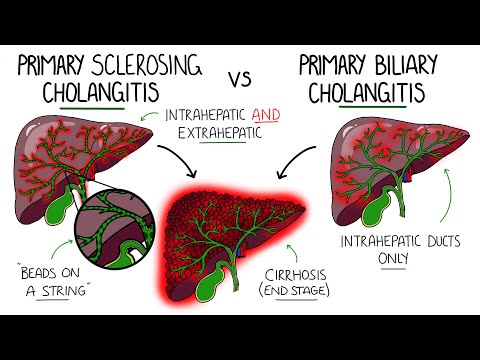
So, primary sclerosing cholangitis (PSC) is basically a sneaky liver disease that messes with your bile ducts. These ducts are vital for moving bile from the liver to your intestines. When they get inflamed or scarred, it can lead to some serious health problems. Thankfully, we have a bunch of advanced imaging techniques that help doctors figure this whole thing out!
First off, let’s talk about magnetic resonance cholangiopancreatography (MRCP). This non-invasive test is like a superhero for diagnosing PSC. It uses magnets and radio waves to create detailed images of bile ducts without needing any dyes or pokes. You just lie there while the machine takes pictures. How cool is that? MRCP can show bile duct strictures and irregularities, which are pretty much hallmarks of PSC.
- Ultrasound: This one’s like your friendly neighborhood sidekick. While it might not be as detailed as MRCP, it’s often the first step in looking at liver and bile duct issues. It’s painless and quick. Doctors can spot liver enlargement or gallstones with this technique.
- Computed tomography (CT): Here’s where things get serious! CT scans can provide excellent cross-sectional images of the abdominal area. They help identify any complications related to PSC, such as bile duct cancers, which might pop up in patients over time.
- X-rays: Though not typically used for PSC specifically, X-rays can still play a role in monitoring conditions like cholangitis if they’re suspected alongside other problems.
Now onto findings. When doctors take a peek at these images during diagnosis or management of PSC, they look for bile duct strictures, which are basically narrow spots in those ducts that shouldn’t be there! They can also see beading patterns, where you get alternating segments of narrowing and dilation – kind of like a funky necklace if you think about it.
A little personal story comes to mind here! My friend was having weird digestion issues and went through this entire imaging saga before finally getting diagnosed with PSC through MRCP—it was quite the relief for her to finally have answers after all that poking and prodding!
The thing is, early detection is crucial with PSC because it helps manage symptoms and watch out for potential complications down the line—like liver damage or cancerous growths in those pesky ducts.
In short, advanced radiological insights not only help diagnose primary sclerosing cholangitis but also guide management options down the road. So when you hear about MRCP or CT scans next time someone mentions liver health, you’ll know they’re doing some serious detective work!
Radiological Insights into Recurrent Pyogenic Cholangitis: Diagnosis and Management
Sure! Let’s chat about recurrent pyogenic cholangitis, which is a bit of a mouthful but totally manageable once we break it down. It’s a condition that involves the bile ducts and, let me tell you, it can be quite a tricky situation. So, here’s how radiological insights play a role in diagnosing and managing this condition.
Understanding Recurrent Pyogenic Cholangitis
So, what exactly is recurrent pyogenic cholangitis? Think of it as repeated infections in the bile ducts. This can lead to serious complications if not caught in time. Patients often experience fevers and abdominal pain. You might wonder why this happens again and again; it’s usually due to some underlying issue like biliary stones or strictures.
Diagnosis Using Imaging Techniques
When it comes to diagnosing this condition, imaging is key. Doctors often start with ultrasound, which is like taking a peek inside without any invasive procedures. It helps identify any abnormalities like dilated bile ducts or gallstones. But sometimes, you need a bit more detail.
Next up is CT scans. These are super detailed and provide cross-sectional images of the abdomen. They can show inflammation, abscesses, or any obstructions that might be causing issues in the bile duct system. It’s pretty cool how much info they can give!
Also on the list is MRI, specifically Magnetic Resonance Cholangiopancreatography (MRCP). This one’s great because it gives high-resolution images of your bile ducts without needing dye injections—so less hassle for patients.
Management Strategies
Now onto management! Once diagnosed, treating recurrent pyogenic cholangitis generally involves addressing those pesky blockages. This could mean doing some procedures like endoscopic retrograde cholangiopancreatography (ERCP). It’s a fancy term for using an endoscope to remove stones or place stents to keep those ducts open.
- Antibiotics: You’ll definitely need these to tackle bacterial infections.
- Surgery: In some cases where complications arise—like when abscesses form—surgery might be necessary.
- Lifestyle Changes: Sometimes encouraging patients to eat healthier and avoid certain foods can help manage symptoms.
But here’s where it gets interesting: Management isn’t always just about treating the current issue; it’s important to prevent future episodes too! Regular follow-ups with imaging studies help monitor the bile ducts over time.
Anecdote Time!
I came across this story about a patient named Susan who had been battling recurrent pyogenic cholangitis for years. After finally getting diagnosed through multiple imaging studies—a mix of ultrasound and CT scans—she underwent an ERCP which helped clear out her bile duct blockages. Fast forward a few months later, she felt better than ever! It was inspiring to see how proper diagnosis and management made such a difference in her life.
In sum, radiological tools are essential for managing recurrent pyogenic cholangitis effectively. From initial diagnosis using ultrasound and CT scans to ongoing management with MRCP and ERCP interventions—it’s all part of keeping those bile ducts healthy!
Advancements in Radiological Imaging Techniques for Diagnosing Primary Biliary Cirrhosis
Sure! Let’s talk about how advancements in radiological imaging techniques are changing the game for diagnosing primary biliary cirrhosis (PBC). This liver disease can be pretty sneaky at first, often showing no clear symptoms until it’s already causing trouble. But with the right imaging techniques, doctors can get a clearer picture—literally!
Radiological imaging uses various technologies to visualize what’s happening inside your body. For PBC, doctors typically rely on several key methods:
- Ultrasound: This is often the first step. It uses sound waves to create images of the liver and bile ducts. If you’ve ever heard a heartbeat through an ultrasound during a pregnancy, you get the idea! For PBC, it helps spot any enlargement or damage in the liver.
- Magnetic Resonance Cholangiopancreatography (MRCP): Now, this one sounds fancy, huh? MRCP is like an upgrade from regular MRIs focused on your bile ducts. It gives detailed images without needing any invasive procedures like biopsies. That means fewer risks and more comfort for patients!
- Computed Tomography (CT): CT scans are great for looking at the liver’s structure and can help detect any abnormalities or complications from PBC.
- Liver Biopsy: Technically not a radiological method but worth mentioning! Sometimes, doctors need to check that liver tissue directly to diagnose PBC definitively. They might guide their needle using ultrasound.
So why do these imaging techniques matter? Well, imagine you’re trying to figure out why your favorite old car won’t start. You wouldn’t just keep guessing; you’d look under the hood! The same goes for diagnosing liver issues—using advanced imaging helps pinpoint problems before they escalate.
And there’s more! With newer technology like contrast-enhanced ultrasound, specialists can now see blood flow in real-time. This could provide crucial information about whether certain blood vessels are blocked or if there’s inflammation affecting circulation.
Now let me share a little story here: One of my friends had been feeling fatigue and occasional itchiness but didn’t think much of it until her doctor suggested some tests. Thanks to an ultrasound followed by an MRCP, they caught her early-stage PBC before she even realized how serious it could become. It was kind of a wake-up call—not just for her but also for everyone around us who thought everything was fine just because no obvious symptoms showed up.
So yeah, advancements in radiological imaging techniques are super important when it comes to diagnosing and managing primary biliary cirrhosis and cholangitis. They provide ways for physicians to act quickly when complications arise or even prevent them altogether!
In short? Imaging isn’t just about pretty pictures; it’s about saving lives and improving treatment outcomes through informed diagnoses!
Cholangitis, huh? It’s one of those medical words that sounds super fancy and intimidating. But let me tell you, it’s just a way to describe an infection in the bile duct system. Now, why should we care about how we spot and treat it? Well, imagine you’re enjoying a family dinner and suddenly someone feels awful with stomach pain. That’s when understanding cholangitis becomes crucial.
So, what’s the deal with diagnosing this condition? Radiology plays a huge role. They use tools like ultrasounds or MRIs to peek inside our bodies without even needing to cut anyone open, which is pretty incredible if you think about it! These images help doctors see if there are any blockages or complications going on in the bile ducts. It’s like getting an X-ray of your car engine to check if something’s wrong under the hood—not always pleasant but totally necessary!
When cholangitis strikes, symptoms can escalate quickly. You might have jaundice (that’s when your skin gets a yellowish tint) or fever. If left unchecked, it can lead to severe complications or even be life-threatening. That’s why radiological insights are essential for timely treatment decisions. Picture this: a radiologist takes one look at those scans and identifies the problem right away. It can be game-changing.
And then there’s treatment—often involving antibiotics to fight the nasty infection and possibly procedures to clear out any blockages causing chaos in your bile duct system. Sometimes they even use those nifty imaging tools during procedures for better navigation—like having GPS while driving through unfamiliar streets!
It really hits home how intertwined our bodies are when you consider cholangitis and its management through these advanced techniques. My friend once had a scare with stomach pains that turned out to be gallstones leading to cholangitis; she was terrified! The doctors acted fast with imaging, caught it early, and now she shares her crazy story over brunch instead of being stuck in bed.
In short, understanding what goes on behind the scenes with cholangitis helps us appreciate how vital radiology is in healthcare today. It reminds us that while some medical terms sound daunting, at its core it’s all about helping people get better—and that’s something we can all rally around!