So, picture this: you’re sitting at a beach, soaking up the sun. Suddenly, a wave crashes down—literally. A friend’s kid accidentally launches a water balloon that hits you smack in the face. Hilarious, right? But it also kind of stings!
Now, imagine that wave is climate change: unpredictable, messy, and just when you think you’ve got it figured out, bam! We’re all caught off guard again. It’s more than just about your beach day turning into a soggy mess; it’s about our planet’s future.
By 2030, experts say we’re facing some serious challenges. From crazy weather to rising sea levels and everything in between; it can feel overwhelming. You’re probably wondering what’s coming next. Well, let’s break this down together and really see what these challenges mean for all of us—and how we might tackle them as we move forward. So grab some popcorn—this is going to be an eye-opener!
2030: The Critical Juncture for Environmental Sustainability and Scientific Innovation
So, let’s chat about 2030 and why it feels like a big deal for our planet. Seriously, it’s not just a date on the calendar. There’s a lot at stake here regarding environmental sustainability and scientific innovation. We’re talking about some pretty pressing challenges—climate change being the star of the show.
You see, scientists around the world are raising alarms about what we need to do by 2030. The United Nations set this date as a target for reducing carbon emissions dramatically. And if we don’t make serious changes, we could face some gnarly consequences.
The critical issues we’ll be facing include:
- Rising temperatures: If global temperatures rise by more than 1.5 degrees Celsius above pre-industrial levels, we might see extreme weather becoming the norm. Think wildfires, floods, and hurricanes hitting harder than ever.
- Biodiversity loss: Many species are on the brink of extinction because of habitat loss and climate change. Losing these creatures isn’t just sad; it messes with entire ecosystems.
- Water scarcity: With unpredictable rainfall patterns and droughts becoming more common, fresh water is going to be harder to come by in certain regions.
This is where scientific innovation becomes crucial. We need fresh ideas and solutions to tackle these looming problems head-on! For example
, environmental scientists are working on tech that can help reduce greenhouse gas emissions—like carbon capture systems that suck CO2 out of the air and store it safely underground.
Circular economies are also gaining traction. Instead of our usual take-make-dispose mentality, this approach aims to recycle materials endlessly so nothing goes to waste. Imagine a world where your old clothes could turn into new ones instead of heading to a landfill! That’s innovation in action.
If you think about it, it’s all interconnected. As communities embrace sustainable practices—whether that’s through renewable energy or restoring natural habitats—we create room for more scientific breakthroughs too. For instance, solar energy has come a long way; it’s not only cost-effective now but also widely accessible!
And hey, this isn’t just a top-down initiative; everyone can pitch in! You can support local farmers who practice sustainable agriculture or even choose public transport over driving when you can—it all helps!
The clock is ticking towards 2030, bringing with it opportunities for amazing breakthroughs—but only if we take them seriously now. So whether through science or community action, every little effort counts in this race against time!
Let’s not forget: caring for our environment means caring for ourselves too! A healthier planet leads to healthier lives for all of us.
Understanding the Urgency: How 3 Years Can Impact Climate Warming Limits in Science
Alright, let’s talk about climate change and why the next three years are super crucial. Seriously, time flies, and when it comes to our planet, every moment counts. The urgency isn’t just a buzzword; it’s something we really need to wrap our heads around if we want to keep warming within certain limits.
So, what’s the deal? You see, scientists have been shouting from the rooftops that we need to limit global warming to 1.5 degrees Celsius above pre-industrial levels. If we go beyond that, we’ll face seriously nasty consequences. Think heatwaves, rising sea levels, and ecosystems crashing—yikes!
The Intergovernmental Panel on Climate Change (IPCC) has laid out that we had to reach global carbon neutrality by 2050. But here’s where the three-year urgency comes into play: we ideally need to halve our emissions by 2030. Missing that mark could mean blowing right past those critical temperature thresholds.
- The world needs clear targets now! Decision-makers around the globe have a narrow window—to set policies that can lead us towards meaningful cuts in greenhouse gases.
- This isn’t just about governments; businesses and individuals also have a role. If everyone starts making small changes now—like reducing waste or using cleaner energy—we could see a big difference!
- The idea is to make these changes stick by 2030 so that they can snowball into more significant progress over the next few decades.
If you think about it like this: imagine you’re running late for an important meeting. The closer you get to your deadline without taking action makes it increasingly harder to arrive on time. It’s kind of the same with climate goals; if we don’t act fast enough, achieving those targets feels almost impossible!
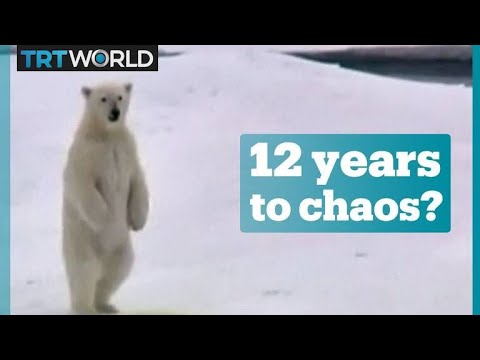
Now, I remember this documentary I watched about polar bears struggling with melting ice caps because of warming temperatures. It hit me hard—that’s one species among many facing extinction due to our inaction. The emotional weight of this reality is intense; you can’t help but feel concerned for both wildlife and future generations.
The science is clear: the longer we wait around and ignore these challenges, the more severe the consequences will be. But here’s some hope! People everywhere are getting more involved—climate activists are mobilizing communities, cities are committing to renewable energy sources, and hey, that’s pretty cool! But remember, it all boils down to what happens in these next three years.
To sum up, each year matters when we’re talking about climate change solutions. Three years might seem like a short time, but they’re essential for laying the groundwork for a sustainable future. So let’s not waste any time—because honestly? Our planet deserves better.
Scientific Perspectives on Climate Change: Addressing 2030’s Environmental Challenges
Alright, let’s get into the nitty-gritty of climate change and what we’re staring down as we approach 2030. You might have heard about climate change on the news or in conversations, but what does it actually mean for our planet? Well, to put it simply, climate change refers to long-term shifts in temperatures and weather patterns. It’s not just about today’s weather; it’s really about the big picture over decades and centuries.
Now, when scientists talk about climate change, they often focus on a few key areas: temperature rise, changing precipitation patterns, and sea level rise. Let me break these down a bit for you.
- Temperature Rise: Global temperatures have been climbing steadily. The average global temperature has increased by approximately 1°C since the late 19th century. That might sound small, but trust me, it’s like turning up your oven from low to medium heat—it can create some serious issues!
- Changing Precipitation Patterns: Rainfall is becoming more erratic. Some areas are getting drenched with heavy storms while others are left parched. This unpredictability can impact water supplies and agriculture—leading to potential food shortages.
- Sea Level Rise: As ice caps melt and oceans warm up, sea levels are rising—about 3 mm per year now. This is a real problem for coastal cities; think Miami or New Orleans facing chronic flooding.
This brings us neatly into the future: what challenges will we face by 2030? Well, one of the biggest is how we adapt. Many communities will need to rethink their infrastructure—like building seawalls or changing how they manage water usage.
You see, I remember reading this heart-wrenching story about a small island nation that had to relocate its entire population because of rising sea levels! Imagine being uprooted from your home because of something you didn’t directly cause. It really puts things into perspective.
Another critical issue is carbon emissions. We need to seriously cut back on greenhouse gases to mitigate these changes where possible. According to scientists, reaching net-zero emissions by around 2050 would be an essential step toward keeping warming below 2°C—like aiming for a safety net in a high-flying circus act!
- Renewable Energy: Transitioning from fossil fuels to renewable energy sources like solar or wind is crucial. Not only does this help reduce emissions, but it also creates jobs in new sectors!
- Sustainable Practices: We should aim for more sustainable agricultural practices too—think less pesticide use and more organic farming methods that benefit soil health.
The thing is—you’ve got this huge global effort underway with countries coming together through agreements like the Paris Agreement aimed at reducing carbon footprints worldwide. But it’s not just up to governments! Each one of us can make changes in our daily lives—from recycling more effectively to using public transport instead of driving solo.
You know how I mentioned those emotional stories earlier? That connection people feel towards their homes and families makes tackling climate change all the more vital! So if we want future generations to thrive on this planet—alive with rich ecosystems—we’d better get moving!
You might be feeling overwhelmed with all this info floating around regarding climate change—but remember—you’re not alone in this mess! Scientists are working hard every day trying new approaches that benefit both people and our Earth.
The road ahead isn’t going to be easy—it’ll take creativity, determination and frankly some guts! But if we start laying down those foundations now, who knows what amazing progress could bloom by 2030?
So, let’s chat about climate change. You know, it’s one of those topics that can feel overwhelming at times, right? I mean, just when you think you’ve wrapped your head around it, something new pops up. And here we are, looking towards 2030. It feels like a ticking clock, doesn’t it? The challenges we’ll face then are seriously daunting.
I remember a while back, I watched this documentary that was heart-wrenching. It showed communities in small island nations being swallowed by the sea. It hit me hard; these aren’t just statistics or reports we read online. They’re lives—people having to leave their homes because of rising waters. That’s real! And as we approach 2030, predictions suggest that the impacts will only intensify.
Science has been clear about this. If we keep spewing greenhouse gases like there’s no tomorrow—well, there won’t be a tomorrow for some ecosystems and even entire species! In fact, many scientists believe we could see an increase in extreme weather events. Think about hurricanes—stronger and more frequent—which could devastate coastal areas and displace families.
But you know what? It isn’t all doom and gloom just yet. There are solutions out there! Some folks are working on renewable energy sources like wind and solar power that can radically shift how we produce and consume energy—and it might just save the planet from ourselves! Companies are investing in greener practices too. Seeing innovation in this field can be seriously uplifting.
But here’s the kicker: change isn’t happening fast enough or widely enough to match the urgency of what’s coming our way by 2030. That means everyone needs to play their part—whether you’re a business owner adopting sustainable methods or someone recycling at home (y’know?).
The truth is that we can either adapt or face some pretty gnarly consequences over the next decade—and beyond! So as we gear up for 2030, let’s keep pushing for greener choices while holding those in power accountable. Every little action counts when it comes down to saving our planet for future generations—or at least making it a better place than it is now.
And honestly? I feel hopeful when I see people getting involved and raising awareness; it’s like waves forming before an incoming tide! Together, with science lighting the way forward, I truly believe there’s still time to tackle these challenges if we all step up and do our part.