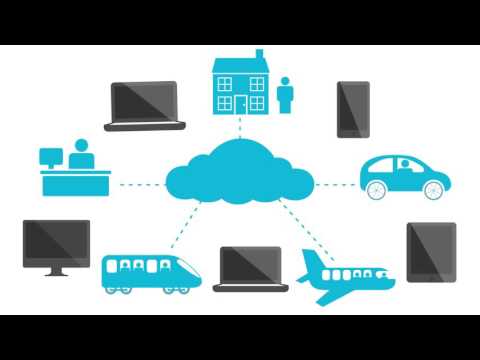
So, picture this: you’re knee-deep in a research project, and your computer crashes. You lose everything—like crying-over-your-keyboard level of disaster. Ouch, right?
That’s where cloud computing struts in like a superhero, ready to save the day. Seriously, it’s like storing your ice cream in a freezer that never breaks down. You need the right provider though.
But with so many out there, figuring out which one fits your research needs can feel like choosing between a million flavors of ice cream. Do you go for classic vanilla or daring pistachio? Each option has its perks and quirks.
Let’s break it down together—without the tech jargon. It’ll be fun!
Evaluating Cloud Solutions: Key Considerations for Scientific Research Requirements
When you’re looking at cloud solutions for scientific research, it’s like stepping into a massive digital library. But you can’t just pick any ol’ shelf and hope for the best. You gotta think about some key stuff to make sure you’re getting what you need.
First off, consider the data size and type. Are you dealing with tiny datasets or huge streams of information? Some providers are better suited for large-scale tasks, while others might choke under pressure. For instance, genomics data can be massive, so a provider that allows scalable storage is crucial.
Next up, security and compliance. You don’t want just anyone snooping around your sensitive data. It’s super important to know what kind of safeguards are in place. Look for things like end-to-end encryption and compliance with regulations such as HIPAA or GDPR. This helps keep your work safe from prying eyes or leaks.
Then there’s performance. Speed is everything when you’re crunching numbers or running simulations. If the service is lagging, it’s like waiting forever for a pot of water to boil! You might want to test their speed in real-world scenarios before committing.
Another thing? Cost and budgeting. Cloud costs can sneak up on you like that friend who borrows money and forgets to pay it back. Look closely at pricing models—some charge by usage while others have flat fees. Be sure to calculate estimated expenses based on how much storage and processing power you’ll likely need.
Integration capabilities also matter a lot. If your research relies on specific software tools or databases, make sure they play nice with the cloud service you’re eyeing. Imagine trying to fit a round peg into a square hole; it just won’t work out well!
And let’s not overlook support services. If something goes sideways (and it will at some point), having responsive customer support can save your sanity. Check reviews or talk directly to their support team before making a decision.
Lastly, think about collaboration features. Research often requires teamwork across different locations—like virtual lab partners! Features that allow easy sharing of data and insights can really boost productivity.
So yeah, when you’re narrowing down cloud solutions for scientific research needs, keep these considerations in mind:
- Data size and type.
- Security and compliance.
- Performance capabilities.
- Cost considerations.
- Integration opportunities.
- Support services available.
- Collaboration options.
Making an informed choice will help ensure your research isn’t just successful but smooth sailing too!
Key Factors to Consider When Comparing Cloud Providers for Scientific Research
When you’re looking to pick a cloud provider for your research needs, it really helps to understand some key factors. There are quite a few options out there, and not all of them are created equal. Let’s break down what you should think about.
First off, you’ll want to look at scalability. This is super important because research can go from small projects to massive ones pretty quickly. You don’t want to hit a wall when your data suddenly increases. Can the provider handle your growth? Check if they offer flexible pricing models so you won’t be paying for more than what you need at any given time.
Next, consider performance. Speed matters! If you’re working with large datasets, slow processing can be a real drag. Look into the provider’s infrastructure—are they using state-of-the-art servers? What are the latency and response times like? It might help to read some user experiences or tech reviews on this aspect.
One factor that cannot be overlooked is data security. Research often involves sensitive information, so make sure the cloud provider takes security seriously. Ask about encryption methods and access controls. Are their systems compliant with regulations like GDPR or HIPAA? You want peace of mind knowing your data is safe from prying eyes.
Then there’s cost. Yes, budget is always a biggie! Different providers have varying pricing structures—some might charge based on storage while others focus on compute time. Understand how much you’ll realistically end up spending as your requirements grow.
Don’t forget about support and community. When things go haywire—and trust me, they will—you need someone who can help fix issues fast. A responsive support team can save you tons of headaches. Also, check if there’s an active community around the cloud service; having forums where users share solutions can be super helpful.
Lastly, think about interoperability. Your research tools might not all reside in one place; they could span multiple platforms or applications. Ensure that the cloud provider allows easy integration with other tools you’re using (hello Jupyter notebooks!). The smoother it integrates into your current workflow, the better!
So yeah, picking a cloud provider for research work isn’t just about finding the cheapest option or the first one that pops up in Google search results—it’s all about finding the right balance between these key factors that suits your unique needs!
Exploring the Four Types of Cloud Services: A Scientific Perspective on Technology’s Impact
So, let’s chat about cloud services. You might have heard of them in passing; they’re like invisible storage places for all your digital stuff, right? But there’s a bit more to it. Basically, cloud computing is this nifty way of accessing and storing data over the internet instead of your own computer. There are four main types you should know about: IaaS, PaaS, SaaS, and a little twist called FaaS.
IaaS stands for Infrastructure as a Service. Imagine you need a powerful computer to run simulations for your research, but you don’t want to buy one because that can be super pricey! With IaaS, you can rent virtual machines and storage space. It’s like renting an apartment instead of buying a house—flexible and cost-effective. Major players here include Amazon Web Services (AWS) and Google Cloud Platform (GCP).
Then there’s PaaS, which is Platform as a Service. Let’s say you’re working on developing software or applications for your research project. PaaS provides the tools you need, like databases and programming environments. You don’t have to worry about managing the underlying hardware or software layers—it’s kind of like building with Lego blocks instead of making the blocks from scratch! This can speed up development significantly.
Now onto SaaS: Software as a Service. This one’s familiar to most people because it involves apps we use every day, like Google Docs or Microsoft 365. Basically, all the software runs on cloud servers, so you can access them from any device with internet access—like magic! For researchers, this means collaboration becomes easier; team members can work on documents in real-time without worrying about email attachments.
Lastly, there’s that twist I mentioned earlier: FaaS, or Function as a Service. This one’s kind of new but super cool. Essentially, it lets developers run code in response to events without needing to manage servers at all—it’s event-driven! Think of it as having an assistant who only works when you call them; they don’t sit around waiting for work but jump into action whenever there’s something to do!
So why should these matter to researchers? Well… choosing the right type of cloud service impacts everything from costs to flexibility in handling data or resources. If you’re working on big datasets needing heavy processing power (think mountains of numerical data), IaaS could be your best bet because it allows scaling up easily when required.
And let me just mention security too—you’re dealing with sensitive information sometimes! Different providers offer varying levels of security protocols depending on what type of service you choose.
Just think about that time when I had trouble managing my files during a group project (yikes). Switching from local storage to using SaaS made things way less stressful since we could share our work instantaneously rather than sending countless emails back and forth!
In summary:
- IaaS: Rent infrastructure; great for handling demanding tasks.
- PaaS: Tools for developers without complexity; speeds up building processes.
- SaaS: Software via internet; ideal for collaboration.
- FaaS: Event-driven coding; efficient resource usage.
You see how each type fits different needs? Basically, understanding these options gives researchers the power to choose what suits their projects best—and that can make all the difference in how smoothly things go down the line!
Choosing the right cloud computing provider for your research needs can feel a bit overwhelming. With so many options out there, it’s like trying to pick your favorite ice cream flavor at an ice cream shop with a hundred choices. You want something that fits just right—like that perfect scoop of chocolate chip cookie dough on a hot summer day.
I remember when I first got into research, juggling data sets and trying to store everything on my little laptop. One day, I lost a whole experiment because of a glitch. Let me tell you, it was heartbreaking! That moment really opened my eyes to the importance of having reliable cloud solutions. You need something that’s not just powerful but also trustworthy. You don’t want to lose precious work just because your provider decided to take a nap or, worse, disappeared entirely.
So when you’re picking a cloud provider, think about what you actually need. Are you working with massive datasets? Do you need super-fast processing? Or maybe you’re dealing with sensitive information that requires extra security—because, let’s face it, nothing ruins research faster than a data breach! And there’s flexibility too: different projects may require different capabilities. It’s like having the right tool for the job; one size definitely does not fit all when it comes to the cloud.
Another thing is cost. That’s a big deal, isn’t it? You want powerful features but without breaking the bank. Scanning through pricing models can be tricky since some providers offer low initial costs but then hit you with fees later on as your usage grows. It’s like going for the “all-you-can-eat” buffet only to find out you’re stuck paying extra for dessert!
And while tech specs are important—look at their uptime guarantees and support options—don’t underestimate customer service either! You want someone who will pick up the phone (or answer those annoying chat bots) when things go south or if you’re just confused about something.
In the end, taking time to do some homework will pay off big time! Think through your needs carefully and don’t hesitate to ask around; sometimes talking to fellow researchers can give you those golden nuggets of advice that no website can provide.
Cloud computing should feel like an ally in your research journey—not another hurdle! So pick wisely, keep learning from others’ experiences and don’t forget: there are always flavors out there waiting for you!