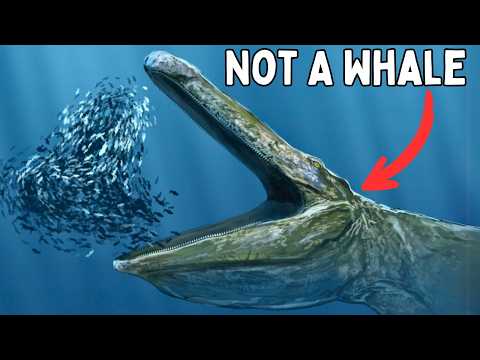
So, picture this: you’re at a zoo, right? And you see a dolphin swimming gracefully in the water. Then over in another part, there’s a wolf, howling at the moon. Seems totally different, huh? Well, here’s the kicker: both of them share some surprisingly similar traits.
This isn’t just about animals, though! It’s all around us. Have you ever noticed how some plants look a whole lot like cacti even when they’re from different parts of the world? Yeah, that’s no accident.
What if I told you that nature has this wild way of making totally unrelated species develop similar features to survive? That’s convergent evolution for you! It’s like nature’s own version of copycat syndrome.
Intrigued yet? Come along as we explore these wacky similarities and see what they can teach us about life on Earth!
Exploring Convergent Evolution in Nature: Fascinating Examples and Insights from Science
Sure thing! Let’s talk about convergent evolution, which is like nature’s way of saying, “Hey, we can solve problems in similar ways even if we’re totally different!”
So, what is convergent evolution? It happens when unrelated species develop similar traits or features because they’ve adapted to similar environments or challenges. Imagine two people from different parts of the world inventing really similar gadgets to fix the same problem. That’s kind of what goes on in nature!
One classic example is the wings of bats and birds. They both fly, right? But bats are mammals and birds are, well, birds! Their wings evolved separately but ended up serving the same purpose: helping them soar through the sky. Isn’t that a neat little trick of evolution?
Another cool example involves marine animals. Think about dolphins and sharks. They both have streamlined bodies that help them swim efficiently in water. Dolphins are mammals while sharks are fish—super different lineages! But they face the same aquatic lifestyle challenges and came up with similar solutions.
Then there’s cacti and euphorbias. These plants look quite alike; they both have spiky surfaces and are designed to save water in dry environments. Yet, one is a true cactus from the Americas while the other hails from Africa. Same problem, different backgrounds!
You might find it fascinating that sometimes these similarities can even lead to confusion among us humans—like mistaking one creature for another just because they look alike! This phenomenon shows how adaptable life can be.
What’s really mind-blowing is how convergent evolution can happen not just with physical traits but also things like behavior. For instance, both wolves and dolphins use complex social structures to hunt together—so cool!
And while it may seem like a coincidence at first glance, scientists study these patterns closely to uncover deeper truths about life on Earth. The thing is, by understanding convergent evolution, we get insight into how species adapt over time and learn about environmental pressures that shape them.
So next time you see an animal or plant that looks like another from a completely different place or category, think about their hidden connections! Isn’t nature just full of surprises?
Understanding Convergent Evolution: Genetic Similarity and Its Implications in the Field of Science
So, let’s chat about something really cool—convergent evolution. It’s one of those concepts in biology that shows just how wild and creative nature can be. Basically, it’s when different species evolve similar traits or characteristics, even though they’re not closely related. It’s like they’re taking the same path to solve a problem, you know?
To get into it a bit more, consider this: imagine you and your buddy both decide to build a cool treehouse. You might come up with different designs and materials, but in the end, you both end up with something that kind of looks alike because you’re addressing the same challenge—getting up in the trees! That’s exactly what convergent evolution is like.
When we talk about genetic similarity, it’s important to realize that these organisms don’t share a close ancestor. Instead, they adapt to similar environments or challenges over time. For example:
- Wings of Bats and Birds: These guys aren’t related at all but both developed wings for flying. Isn’t that neat? They’re just doing what they need to survive.
- Sharks and Dolphins: Sharks are fish while dolphins are mammals, yet both have streamlined bodies for swimming fast through water.
- Cacti and Euphorbias: Totally different plant families! Yet both evolved spines to survive in arid conditions.
You see how this works? The adaptations emerge due to similar environmental pressures, not because these creatures inherited them from a common ancestor.
This whole idea has some pretty significant implications in science too. Like, understanding convergent evolution can help researchers figure out how traits develop and change over time across different species. It raises questions about how adaptable life can be. This isn’t just an academic exercise either; it has real-world impacts on fields like conservation biology.
When scientists grasp why certain traits evolved similarly in unrelated species, they can predict how organisms might respond to environmental changes. And with climate change knocking on our door big time, knowing potential responses is super crucial.
And here’s another interesting angle: studying convergent evolution can help in medical research. For example, understanding how certain diseases affect unrelated species can lead scientists to discover new treatment methods or drugs since similar biochemical paths may be involved in completely different organisms.
So next time you hear about animals or plants looking alike without being family, remember—they’re just two creative solutions to life’s challenges! It really does remind us of mother nature’s knack for innovation!
All this makes me think of one sunny afternoon I spent at a zoo as a kid; I was totally fascinated watching a dolphin swim next to the shark tank. I remember thinking how amazing it was that they both seemed so similar yet were so different inside those tanks! That moment sparked my curiosity about nature’s mysteries—and look where we are now!
Unraveling Convergent Evolution: Insights into the Similarities of Bird Features in Evolutionary Biology
Convergent evolution is like nature’s way of telling a story with different characters but the same plot. Imagine you’re watching two movies that feature superheroes with similar powers, but they come from completely different universes. This is kinda what happens in the natural world when unrelated species develop similar features because they face similar challenges.
So, what does this all mean? Basically, it means that evolution isn’t just about how animals are related to each other. Sometimes it’s about how they adapt to their environments in similar ways. This leads to fascinating similarities between species that don’t share a common ancestor. Cool, right?
Let’s take a look at some examples that really show off this phenomenon:
- Birds and Bats: Both have wings, allowing them to fly. But birds evolved from dinosaurs while bats are actually mammals! Isn’t it interesting how both came up with wings for the same purpose without directly being related?
- Dolphins and Sharks: In the ocean, both dolphins (mammals) and sharks (fish) have streamlined bodies which help them swim efficiently. They live in similar habitats and encounter the same types of obstacles but evolved totally separately.
- Cacti and Euphorbias: These plants look really alike! Both thrive in arid conditions but belong to different plant families. Their similarities help them conserve water, which is key for survival in their harsh environments.
Now, you might be thinking—how does this actually happen? Well, it all boils down to **natural selection**. When organisms find themselves in similar environments or ecological niches, the traits that help them survive tend to stick around over generations. It’s like having a bunch of different recipes for the same dish; you might end up with slightly different flavors (or species), but they still serve a common purpose.
This concept of convergence isn’t just random chance either; there are laws of physics and biology at play here too! For example, wings need to be shaped a certain way to allow flight due to aerodynamics; so whether it’s feathers or skin flaps doesn’t really matter—if it works, nature keeps it.
A little personal story: I once went hiking in a place where I saw fascinating birds gliding through the air effortlessly. They reminded me of those little flying squirrels I used to see on TV as a kid—totally different creatures doing basically the same thing! That made me realize how powerful convergent evolution can be in shaping life on Earth.
In summary, convergent evolution shows us that life finds ways to solve problems creatively, often leading unrelated species down similar evolutionary paths. So next time you’re watching nature documentaries or simply enjoying a stroll outside and spotting different animals or plants doing what they do best—remember there’s likely an incredible story of adaptation behind their similarities!
You know, it’s pretty wild how nature works sometimes. Take convergent evolution, for example. It’s when different species, often from totally separate lineages, end up looking or acting similarly because they adapt in similar ways to similar environments. Think dolphins and sharks. They don’t even share a common ancestor for ages, but here they are, both sleek and streamlined for life in the water.
It reminds me of a time when I was out hiking with some friends. We stumbled upon this amazing spot by a lake where we saw an otter playing around. It was so playful and looked like it was having the best time! Just nearby, there were birds diving into the water to catch fish. I remember thinking about how these animals weren’t related at all, yet they both thrived in the same environment—grabbing fish like pros!
So what happens is basically that different creatures figure out that being fast or having a streamlined body really helps when hunting or escaping predators. It’s like nature threw out a toolkit of traits and said “Hey, whoever can make use of these traits to survive better in this habitat gets extra points!”
And then there’s the whole deal with plants too! Look at cacti in the Americas and succulents in Africa—totally different continents yet evolved similar water-storing abilities because both struggled with dry conditions. Isn’t that something?
Convergent evolution shows us how creative living things can be when it comes to solving life’s challenges. The similarities in adaptations are less about lineage and more about necessity—like a universal “survival guide” written by nature itself.
Makes you think about how interconnected everything really is, doesn’t it? I mean, despite being worlds apart evolutionarily speaking, these organisms experienced similar pressures that pushed them down similar paths. And honestly? That feels strangely comforting in a way—it’s like we’re all just trying to figure things out together, no matter where we come from.