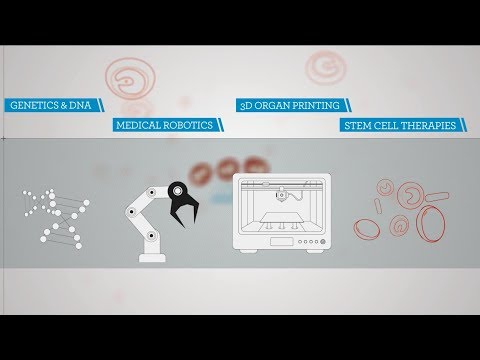
So, picture this: you’re at a baby shower, and someone’s talking about saving umbilical cords. Yeah, it sounds a bit weird at first, right? But hang on! Turns out, those squishy little things can be worth their weight in gold.
Cord blood and tissue banking has come a long way. It’s like science’s answer to “just in case.” Seriously, who knew that this stuff could help treat diseases later on? You might not think about it when you’re busy picking out onesies and baby blankets. But how cool is it that something right after birth can have life-changing potential?
Let’s break it down together. It’s all about how we’re using this incredible resource and what the future holds for it. So grab your coffee, and let’s chat about the amazing advancements happening in the world of cord blood and tissue banking science. You won’t want to miss this!
Evaluating the Limitations: Reasons to Reconsider Cord Blood Donation in Scientific Research
The world of cord blood donation is pretty fascinating, but it’s not without its hiccups. Cord blood, collected from the placenta and umbilical cord after birth, is a rich source of stem cells. These cells can be used for various medical treatments, especially in regenerative medicine. However, there are limitations that make us think twice before jumping in. Let’s break it down.
First off, the quantity issue. The amount of cord blood collected isn’t always enough for every potential patient. Seriously, if you think about it, not all babies are born with the same volume of blood in their cords. Sometimes, it might just be too little to make a real difference in adult patients who need larger doses.
Next up: quality concerns. Not every umbilical cord has top-notch stem cells. Factors like the mother’s health during pregnancy can impact this. For instance, if she had gestational diabetes or other complications, the stem cells might not be as effective as those from a healthy pregnancy. So you end up with some samples that just aren’t up to par.
Then there’s genetic diversity. If we mainly bank cord blood from certain populations or backgrounds, we run the risk of not having enough representation for everyone. This could affect treatments down the line because some conditions are more prevalent in specific ethnic groups.
Regulatory hurdles can also be a pain. The rules surrounding how cord blood is collected, stored, and used can vary by region. It’s not just a simple process; navigating through compliance and ethical regulations takes time and resources that could otherwise go into actual research or treatments.
Now let’s talk about accessibility. Even when cord blood banks have great samples stored away, not everyone can get access to them easily. There are often long wait times or restrictions based on a person’s medical history or financial situation—things that shouldn’t really stand in between patients and potentially life-saving therapies.
Another point to consider is the storage duration. While cord blood can be frozen for many years without losing its potency, there are still limits to how long the cells remain viable for therapeutic use. Over time, certain stem cell functions may decline which brings you back to square one if you’re waiting for advancements in treatment modalities.
Lastly, scientific advancements may outpace our current understanding of how best to use these cells. Researchers are continually learning new things about stem cell therapies; what worked five years ago may not even be relevant today! So you really have to weigh whether investing in cord blood banking is worth it when future technologies might offer better alternatives.
In summary—while donating umbilical cord blood holds incredible promise for medical research and treatment opportunities—these limitations remind us to proceed cautiously and reconsider how we approach this resource ultimately leveraging its full potential while also addressing these challenges responsibly.
The Long-Term Fate of Cord Blood: Insights into Its Usefulness After 18 Years
So, cord blood, huh? It’s this amazing stuff that comes from the umbilical cord right after a baby is born. When you think about it, it’s like nature’s little treasure chest, packed with a ton of stem cells which can transform into different types of cells in your body. These stem cells are crucial for all sorts of medical treatments and research. But what about when the time goes by? Like, 18 years later—what happens to that cord blood?
First off, let’s talk about banking this precious resource. Parents often choose to store their baby’s cord blood in banks for future use. It’s like putting money in a savings account but for health! The idea is to have a backup if your kiddo ever needs stem cells for things like leukemia or other serious conditions.
Now, here comes the exciting part. After 18 years, many parents start wondering: is that stored cord blood still good? Well, yes! There have been loads of advancements in banking technologies and methods that help ensure that these stem cells remain viable even after long periods.
- Storage Conditions: The way cord blood is preserved matters. Banks typically freeze it at super low temperatures using liquid nitrogen. This keeps everything stable and helps avoid any degradation of those precious cells over time.
- Cryopreservation Techniques: Newer techniques are improving the efficacy of freezing and thawing processes. It’s crucial because improper methods can damage those vital stem cells we talked about.
- Research Progress: Scientists are continually studying how to effectively utilize these stem cells not only for existing diseases but also for future therapies. Imagine tackling conditions we haven’t even thought of yet!
Anecdotally speaking, there was this story I read about a girl who used her stored cord blood when she was diagnosed with sickle cell anemia at age 16. Her family had banked her cord blood when she was born without really knowing if they’d ever need it. Turns out, they did! With treatments evolving so much over the years, her case actually opened doors to new therapies others could benefit from too.
The thing is, as technology moves forward, we might discover even more uses for those stem cells than we can imagine now! They might play roles in regenerative medicine or even in treating neurological disorders down the line—who knows?
This long-term viability makes cord blood banking an exciting option not just for current patients but also for future generations who might need that medical lifeline. So yeah, while 18 years seems like a long time to leave something frozen away, the advancements in this field make it totally worth considering!
In summary, if you bank your baby’s cord blood today, know that it’s likely holding tons of potential for the future—an insurance policy on health that grows and evolves just like our understanding of medicine does!
Exploring the Advantages and Disadvantages of Umbilical Cord Stem Cells in Biomedical Research
Umbilical cord stem cells are getting a lot of attention in biomedical research lately. These little powerhouses are collected from the blood and tissue of umbilical cords right after a baby is born. You know, it’s like saving a little treasure chest for the future. But let’s take a closer look at what makes these cells so special and also where they might fall short.
First off, one of the biggest advantages of using umbilical cord stem cells is their ability to become many different types of cells in the body. This means they have a lot of potential for treating diseases like leukemia or certain immune disorders. Imagine if you could turn these cells into anything your body might need! It’s seriously exciting stuff.
Also, there’s a lower chance of rejection when these cells are used in transplants compared to adult stem cells. That’s because cord blood stem cells are less likely to carry the memory of your immune system, making them more versatile for transplants, especially when matching donors and recipients can sometimes feel like finding a needle in a haystack.
Now, I remember my friend Sarah telling me about her cousin who had been diagnosed with sickle cell anemia. They found out that cord blood could be an option for treatment years after her birth when her family had saved her cord blood just in case. It was such a relief knowing they had this resource available—it was like hope wrapped up in some freezing cold storage!
But it’s not all sunshine and rainbows—there are some disadvantages too. For one thing, the amount of stem cells you can collect from an umbilical cord isn’t always enough for adults who need treatment—it tends to be more effective for kids or smaller patients. So while it’s great for certain cases, it doesn’t make sense in every situation.
Another issue is that we’re still learning about how to use these cells most effectively. Research is ongoing, and not all therapies are fully approved yet. Sometimes that means waiting longer than you’d want if you were looking at treatment options—which can be super frustrating when time is of the essence!
And then there’s the topic of banking costs. Storing umbilical cord blood can get pricey, and not everyone can afford it or even knows about it! Some parents choose to bank their child’s cord blood thinking it’ll be crucial later on—while others might see it as an unnecessary expense.
To wrap things up (not literally!), there’s no doubt that umbilical cord stem cells hold incredible promise for future therapies and medical advancements. Sure, they’ve got their upsides and downsides just like everything else in life does—you follow me?
In any case, staying informed about this rapidly evolving field is essential because who knows what discoveries lie ahead? Science just loves throwing us curveballs!
You know, when I think about cord blood and tissue banking, I can’t help but feel a mix of hope and nostalgia. It’s like looking back at the early days of baby delivery when parents were just working through being excited or nervous about bringing a new life into the world. Just not too long ago, we didn’t really have a clue how amazing cord blood could be!
So, what’s the deal with cord blood and tissue banking? Well, basically, it’s all about saving that precious blood from the umbilical cord right after a baby is born. This blood is packed with stem cells—which are like little superheroes in our bodies because they can turn into different types of cells. Imagine that! They could help treat serious diseases like leukemia or even brain injuries.
I remember chatting with a friend who was pregnant, and she was super curious about these advancements. She said she wanted to make sure her baby had every possible advantage from day one. And honestly, who wouldn’t want that? The science has come a long way in showing how this stored cord blood can be used to heal some pretty serious conditions.
Now if you think about it—just a couple of decades ago—most people didn’t even consider saving cord blood as an option. But now it’s getting more common! Research is really kicking off; scientists are discovering new treatments using those stem cells. There’s even chatter about potential uses in regenerative medicine! Could you imagine growing new tissues or organs? Wow!
But hey, let’s keep it real for a second—there are also some debates around this topic. Like, is it worth the money? And what happens if you don’t end up using that stored stem cells? Some folks are all gung-ho about it while others scratch their heads thinking it might just be hype. Personally, I think it’s something worth exploring because the possibilities seem endless.
In essence, advancements in this field show how far we’ve come in understanding human biology and our quest to tackle diseases that once seemed impossible to treat. So next time you hear someone talking about waiting for medical miracles, remember: sometimes those miracles start from something as simple as a tiny drop of blood saved right after birth! Isn’t that just incredible?