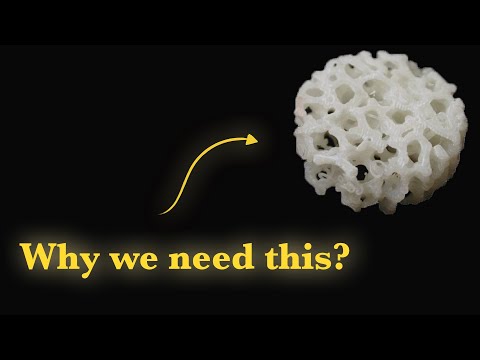
You know, I once watched a sci-fi movie where they grew body parts in a lab like it was no big deal. I half-expected to see some kind of Frankenstein running around! But here’s the kicker: tissue engineering is actually a real thing.
Like, no joke, scientists are working on growing human tissues in labs. It sounds straight out of a futuristic novel, but it’s happening right now. Imagine needing a new organ and—poof!—you get one made just for you. How cool is that?
Basically, this field is all about fixing what’s broken inside us without relying on organ donors or outdated methods. So let’s take a little journey through the advances in tissue engineering and see how close we really are to that sci-fi future!
Tissue Engineering and Regenerative Medicine Salary Insights: What to Expect in the Science Field
When you think about tissue engineering and regenerative medicine, it’s easy to get caught up in all the amazing things happening—like growing organs in labs or fixing broken bones with bio-printed materials. But let’s chat about something a bit more down-to-earth: the salaries in this field and what you can expect if you’re looking to build a career here.
First off, let’s look at some basics. According to various sources, professionals in tissue engineering typically earn between **$60,000** and **$120,000** annually. This range really depends on a few things like your experience level, education, and where you’re working. For instance:
- Entry-level positions: If you just graduated with a degree or have minimal experience, you might start around **$60,000**.
- Mid-career roles: With several years of experience under your belt—say 5 to 10 years—you could see your salary bump up to **$80,000** to **100,000**.
- Senior positions: Once you’ve hit that sweet spot of over a decade in the field as a lead researcher or project manager, salaries can soar past **$120,000**, especially if you’re in management or heading major projects.
But it’s not just about numbers; it’s also about where you work. Areas with booming biotech industries tend to pay better. For example:
- California: Home to many startups and established companies alike—think Silicon Valley—can offer higher salaries due to the cost of living.
- Massachusetts: Known for its concentration of research institutions and hospitals can also be lucrative.
- Texas: With lower living expenses compared to other states but growing industries offers a different balance of salary versus cost of living.
And then there are the jobs themselves! The field is broad and getting broader with advancements. You could find yourself doing anything from:- working on **biomaterials**, which help us create compatible tissues; – conducting research on **stem cells**, which are super cool because they can turn into any cell type; – or even designing artificial organs that might save lives someday.
On top of all that goodness, benefits matter too! Many scientists enjoy perks beyond their paychecks like health insurance, retirement options, and sometimes even bonuses based on performance or project success.
So here’s something personal: I remember chatting with a friend who was knee-deep in her PhD work on scaffold materials for tissues. She shared how overwhelming her workload felt—as if she’d never reach that finish line! But when she landed her first job at a cool biotech firm right after graduation? It was like watching her light up! The thrill wasn’t just about salary—it was about contributing to something that could literally change lives.
In summary: If you’re thinking about diving into tissue engineering and regenerative medicine for your career path, expect diverse salary ranges influenced by several factors like location and your experience level. It’s an exciting time in this field with plenty of room for growth (and real-world impact), so keep those dreams alive!
Comprehensive Overview of Tissue Engineering and Regenerative Medicine: Key Concepts and PDF Resources
Sure thing! Let’s jump straight into the cool realm of tissue engineering and regenerative medicine.
Tissue engineering is where biology meets engineering, you know? It’s all about creating artificial tissues or organs that can replace damaged ones. Imagine if you could grow a new heart or patch up a broken bone using your own cells! That’s exactly the kind of magic this field aims to achieve.
Key Concepts
At the core of tissue engineering, we have three main components: cells, scaffolds, and signals.
- Cells: These are the building blocks. They can be stem cells or specialized cells, depending on what we are trying to grow. Stem cells are like blank slates; they have the potential to turn into different types of cells!
- Scaffolds: Imagine a framework like those used for building houses. Scaffolds provide support for the cells to attach and grow. They need to be biocompatible (which means they’ll play nice with your body) and biodegradable (meaning they disappear when not needed). Think about how much fun it would be to create something like an edible straw that helps with a smoothie but eventually dissolves without leaving a trace!
- Signals: This is where things get pretty fancy! Signals can be molecules or cues that guide cell behavior—like telling them when to grow or differentiate. It’s kind of like giving directions at a dinner party: “Hey over here, it’s time to mingle!”
Tissue engineering doesn’t just stop at making tissues; it also plays a huge role in regenerative medicine. This branch focuses on repairing or replacing organs and tissues through biological means—like using your body’s natural processes.
Advancements in Tissue Engineering
In recent years, there have been some amazing leaps forward.
- Bioprinting: Yes, you heard that right! Scientists are now using 3D printers to create complex structures out of living cells. It’s like printing a new organ instead of just paper!
- Tissue-Engineered Skin: Products made from engineered skin are already helping burn victims heal faster by promoting regeneration.
- The Gut Microbiome: Researchers are even looking into how gut bacteria can influence tissue repair. The science is still young but it’s super exciting!
Now about resources—there’s plenty out there for those who want to dive deeper into this topic! Just search for PDF resources related to tissue engineering journals or educational materials from universities specializing in biomedical engineering.
There’s really something special about this field; I remember attending an exhibition years ago where a scientist was showing how they grew cartilage in the lab. Just seeing the hope on people’s faces as they talked about future treatments was incredible! It’s moments like these that remind you how science connects us all.
So, yeah! Tissue engineering and regenerative medicine might sound complex, but at its heart is creativity mixed with compassion—aiming for better health outcomes through innovative ideas and technology!
Advancements in Tissue Engineering and Regenerative Medicine: Insights from the Journal of Tissue Engineering and Regenerative Medicine
Tissue engineering and regenerative medicine are two fields that are making huge strides lately. They’re all about restoring or replacing damaged tissues and organs. Imagine you could grow a new heart, or fix a damaged knee! Sounds like sci-fi, right? Well, it’s getting closer to reality.
So, let me break down some advancements for you. First off, we’re seeing incredible work with stem cells. These little guys can turn into any type of cell in your body. Researchers are using them to create tissues in the lab. For example, scientists have grown heart tissue from stem cells that can actually beat. That’s pretty cool!
Another exciting area is the development of bioresorbable scaffolds. Think of these as temporary structures that support tissue growth. They’re made from materials that your body can absorb over time. When the tissue is ready to stand on its own, the scaffold just disappears! It’s like nature’s little helper.
Then there’s 3D bioprinting. Yup, just like printing a document but with living cells! This technology allows researchers to build complex tissues layer by layer. For instance, they’ve been able to print skin that can help burn victims heal much faster than traditional methods would allow.
On top of all this, we can’t ignore the role of biomaterials—substances engineered to interact with biological systems for medical purposes. These materials can be designed to mimic the properties of natural tissues. It’s super important because if something doesn’t feel right in your body, it won’t work properly.
Now let’s talk about challenges. Even though we’ve made leaps forward, there are still hurdles to jump over. One big one is ensuring that lab-grown tissues can integrate well with existing tissues in the body without causing issues like infection or rejection.
The Journal of Tissue Engineering and Regenerative Medicine is full of studies exploring these advancements and solutions to challenges faced along the way. If you’re curious about what’s next on this journey—whether it be growing organs or repairing nerves—this journal always has some interesting insights.
In summary, the advancements in tissue engineering are opening doors we once thought were locked tight. With ongoing research and innovation in areas like stem cells, scaffolding techniques, biomaterials, and bioprinting technology, who knows what kind of medical miracles await us? Just think—a world where damaged hearts could be mended or lost limbs could be replaced using our own body’s building blocks! That’s something worth cheering for!
Tissue engineering is one of those topics that feels like it’s straight out of a sci-fi novel, right? I mean, just think about it: scientists are figuring out how to grow new tissues and organs! It’s kind of mind-blowing when you consider how this could change lives.
So, imagine for a second. You have a close friend who had a terrible accident and lost some crucial parts of their body. The doctors do their best, but the recovery seems slow and rough. Fast forward to today, where tissue engineering is making leaps and bounds! You can actually envision a future where they could replace damaged tissues using engineered materials that mimic your own body’s structure and function. That feels hopeful!
What’s particularly fascinating about this field is the blend of biology with technology. Researchers are using things like 3D printing to create scaffolds for cells to grow on—like giving them a little structure where they can take hold. It sounds so simple but think about it: you’re building something new from scratch inside the human body! And then there’s stem cell research, which has become crucial in providing the raw materials needed for regeneration.
However, it’s not just the technical stuff that gets me excited; it’s also the potential behind these advancements. Like, there are children born with congenital heart defects who might one day get their hearts repaired without going through invasive surgeries or organ transplants. Wow, right? That possibility brings so much hope.
Yet there are challenges too. You know how sometimes things sound great in theory but then when you try to apply them in real life, they’re trickier than expected? Well, researchers have to figure out how to ensure that these engineered tissues integrate perfectly with existing ones without causing immune responses or other complications.
And let’s not ignore the ethical discussions swirling around this topic either! As we advance in creating tissues and organs artificially, we really have to think about what that means for us as humans—how far do we go? It raises questions about identity and what being “human” really means.
So yeah, while it’s incredible to see these advancements happening in tissue engineering for regenerative medicine, it’s essential to keep having conversations around them too—not just about what we can do but also about what we should do. The future seems bright yet complicated, and it’s all unfolding right before our eyes!