You know that moment when you try to pick something up and your back feels like it just said “nope!”? Yeah, we’ve all been there. It’s kinda funny, but it’s also a reminder of how important our core muscles really are.
Seriously, they’re more than just those abs you’re trying to show off at the beach. Your core muscles are like the unsung heroes of movement. They stabilize you, help you twist, bend, and even keep you standing tall.
Ever tried balancing on one leg while brushing your teeth? That’s your core working overtime! It turns out these muscles play a massive role in pretty much everything we do. From running to just getting off the couch.
So let’s chat about what’s happening under that shirt of yours. What are these core muscles made of? And why do they matter so much for our day-to-day lives?
Understanding Core Muscles: Their Functions and Importance in Human Anatomy
Alright, let’s chat about core muscles. You might think your abs are the stars of the show, but there’s a lot more going on. The core is like the powerhouse of your body, and it’s not just about those six-pack abs you see in magazines.
The core isn’t just one muscle; it’s a whole group of them. Basically, it includes everything around your trunk—from your back muscles to your side muscles and even some deeper ones you can’t see. This whole gang works together to support your body and keep you stable.
- Stabilization: Your core helps keep everything steady when you’re moving, whether you’re running or just standing still. Think of it like a solid foundation for a house. Without it, things can get wobbly!
- Movement: When you twist, bend, or lift something heavy, guess who’s doing most of the work? Yep! Your core muscles. They allow for smooth movements that prevent injuries.
- Balance: Core strength is key for maintaining balance. Whether you’re trying to hold a yoga pose or dancing at a party (we all do it!), your core helps keep you upright.
You know what really got me thinking about this? One time I was hiking with friends—nothing intense—and I slipped on some rocks. My instinct was to twist my body to regain balance quickly. Thanks to my core working hard behind the scenes, I managed to catch myself without falling flat on my face! That moment made me realize how crucial these muscles are for everyday activities.
Now let’s break down some of the main players in this muscle team:
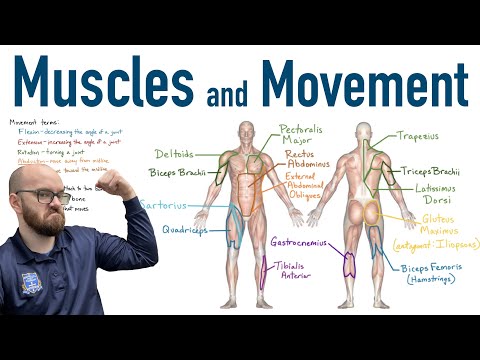
- Rectus Abdominis: This is what we call the “six-pack.” It runs down the front of your abdomen and helps with bending forward.
- Transverse Abdominis: Often called the “corset” muscle because it wraps around you like a belt. It’s super important for stabilizing everything inside as well as supporting posture.
- Obliques: These run along your sides (both external and internal). They’re essential for twisting motions—like when you’re reaching to grab something from behind!
- Erector Spinae: These guys run along your spine and help keep you upright while giving support when you lean backward.
Your core, then, isn’t just about looking good (though that can be nice too!). It plays an essential role in how we move through life every day—from picking up groceries to playing sports or just sitting up straight at your desk.
If we neglect our core strength, things can go sideways pretty quick—literally! A weak core might lead to back pain or make everyday activities feel ten times harder.
So seriously, making time for core exercises in your routine isn’t just about aesthetics; it’s all about health and functionality too!
You don’t need fancy equipment; stuff like planks or even simple moves can build that strength over time. Just remember: consistent effort pays off! Keeping these muscles strong helps maintain balance and stability as we move through life—so let’s give our cores some love!
Exploring the Four Core Movement Types: Insights from Biomechanics and Exercise Science
So, let’s chat about the four core movement types. You know, those fundamental motions that our bodies naturally use when we’re going about our daily lives or even while working out? Understanding these can seriously help you grasp how your core muscles work and their role in human movement.
1. Flexion and Extension
This is all about bending and straightening. Think of it like when you nod your head or lift your arms up over your head. Your core stabilizes all that action. When you bend forward to grab something from the ground, your abs engage to keep you from just flopping over, right? That’s flexion. And when you stand back up or reach for the sky, you’re extending.
2. Rotation
Rotation is super important too—like when you’re twisting to grab something behind you or swinging a bat in baseball. Your core muscles are holding everything together while allowing that twist to happen smoothly. Imagine trying to play catch but not using your core; you’d probably just end up throwing your shoulder out of whack! Engaging those muscles properly helps prevent injuries.
3. Lateral Flexion
Lateral flexion is a fancy way to say bending side-to-side. It happens every time you lean over to tie your shoe or reach for something on the side table. Your obliques—those are the side muscles of your abdomen—jump into action during lateral flexion to help maintain balance and control so you’re not just crumpling over sideways.
4. Anti-movement
This one might sound a bit wild, but it’s basically about resisting unwanted motion! Like when someone gives you a little push in the chest but you keep standing tall without losing balance—that’s anti-movement at work! Your core engages deeply here to stabilize against any force that tries to throw you off balance.
Each of these movement types is essential for a strong foundation in biomechanics and exercise science! And when they work together well, it’s like being in perfect rhythm with your body, which leads to better performance overall.
Want some real-life applications? Imagine playing sports; every time you’re running down the field, you’re flexing, rotating, leaning laterally, and resisting movements all at once! This is why having a solid understanding of these core movement types isn’t just for fitness fanatics; it’s crucial for everyone.
So next time you’re working out or even just moving around your house, think about how these four movement types are showing up in what you’re doing—and appreciate how hard your core is working behind the scenes!
Exploring the 7 Key Functions of Muscle in Human Physiology: Insights from Exercise Science
Muscles are kinda amazing, right? They do so much more than just help you lift weights or run around. Let’s chat about the **seven key functions of muscles** in our bodies. I promise, it’s not as boring as it sounds!
1. Movement
Think about it: every time you walk, dance, or even reach for that snack on the top shelf, you’re using your muscles. They contract and relax to produce movement. For example, your biceps get all excited when you lift your arm!
2. Stability
Muscles don’t just move; they also help keep you steady. Your core muscles play a big role here. Imagine trying to stand on one leg—your core is like the superhero keeping you balanced so you don’t topple over.
3. Posture
Ever slouched while binge-watching your favorite show? Those deep stabilizing muscles help maintain posture throughout the day. If these aren’t doing their job well, your body might feel like a wet noodle by bedtime.
4. Heat Production
This one’s cool (pun intended). When your muscles contract, they generate heat! That’s why you feel warm after exercising—your body is basically running a tiny furnace to keep everything cozy.
5. Joint Protection
Strong muscles can protect joints from injury during movement. Think of them as shock absorbers! Like when you jump; those leg muscles cushion the impact and help keep your knees safe.
6. Circulation Assistance
Muscles are like little pumps for blood circulation! When they contract during exercise, they push blood back toward the heart, helping maintain good circulation which is totally crucial—especially if you’re trying to run that 5K!
7. Endocrine Function
Here’s a surprising bit: muscles can produce hormones! When you exercise, they release substances that help regulate things like metabolism and mood—seriously! It can even give you a happiness boost after a tough workout.
So there ya go! Muscles are not just about flexing those biceps at the gym; they’re involved in pretty much every aspect of how we move and feel in our daily lives. Isn’t it fascinating how interconnected all this stuff is?
You know, when people talk about core muscles, there’s often this image of rock-hard abs or some fitness guru doing planks for days. But the thing is, your core is way more than just a six-pack. It’s a whole group of muscles that plays a huge part in how we move around every day. And honestly, I used to take it for granted until one day I tried to lift something heavy and felt that little twinge in my back. Oof!
So let’s break it down! Your core includes not just the rectus abdominis (that’s the muscle everyone thinks about when you mention abs) but also those deeper layers like the transverse abdominis and muscles in your lower back and pelvis. These guys work together like a team, helping stabilize your body during pretty much any movement—whether you’re picking up groceries or trying to balance on one leg while putting on socks.
But why does this matter? Well, think about it: everything we do requires some kind of stability or balance. If your core isn’t strong enough to support you, then good luck with activities like running or even just sitting at your desk! This network of muscles helps transfer force from one part of your body to another. Like when you swing a bat or kick a ball, most of that power comes from your core—not just arms or legs!
And let’s not forget how having a strong core can help prevent injuries too! If those stabilizing muscles aren’t up to par, other parts of your body might end up compensating in weird ways. I mean, who wants to be sidelined by something preventable?
To wrap this all up—your core is basically the unsung hero in all things movement-related. So next time you’re at the gym or just hanging out at home, maybe think about giving those muscles some extra love. A little bit goes a long way!