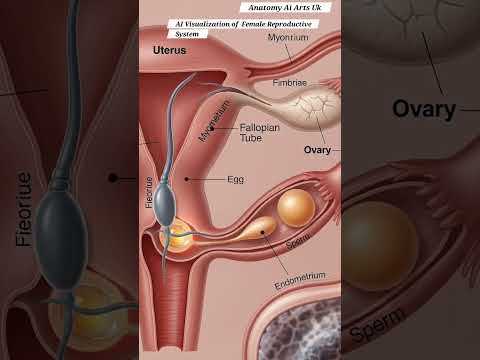
So, the other day I stumbled upon this old textbook, right? And I swear, the illustrations of women’s anatomy looked like something out of a sci-fi movie gone wrong! I mean, who even thought that was a good idea?
It got me thinking about how women’s bodies have been represented—or not represented—in science education throughout history. Like, why do we always see men being the “default” when it comes to biology? It’s kinda wild if you think about it.
There’s this whole world of artistic representation that just doesn’t get enough attention. It’s more than just drawings; it shapes how we understand and relate to women’s health and science in general.
And honestly? We’ve gotta change that narrative! So let’s take a fun look at how artistic depictions have affected women’s anatomy in education. Trust me, it’s gonna be a ride you won’t wanna miss!
Exploring the Intersection of Art and Science: The Symbolism of the Female Body in Artistic Representation
There’s something really intriguing about how art and science have danced around each other throughout history, right? One of the most fascinating aspects of this relationship is the way the female body has been represented in both fields. I mean, think about it: from ancient sculptures to modern medical illustrations, the female form has been a canvas for expression and exploration.
So, the thing is, artists have often used women’s anatomy as a symbol. It reflects cultural beliefs, social norms, and even scientific understandings of that time. For instance, in many classical artworks, women were portrayed as symbols of fertility and beauty. Think about Botticelli’s “The Birth of Venus.” She’s not just a pretty face; she embodies an ideal of beauty that connects to deeper metaphysical ideas.
But then comes science into play! In places like anatomy classes or textbooks, you see women’s bodies dissected with precision and stark clarity. It’s all about understanding biology and medicine, sure, but there’s a lack of aesthetic appreciation that art brings. The anatomical drawings by Andreas Vesalius in the 16th century, for example—though scientifically groundbreaking—often lacked sensitivity towards how beautiful these bodies are.
You see this intersection shifting over time too. Modern artists sometimes embrace science more openly. Take someone like Cindy Sherman, who uses her own body to challenge gender roles through photography. She plays with identity and representation while also critiquing how women are viewed in both art and science. It’s kind of mind-blowing!
The dialogue between art and science isn’t always easy, though; it can be uncomfortable. Consider all those historical instances where women were objectified or reduced to mere subjects for study without any agency. This history haunts both fields, raising lingering questions about ethics in representation.
To break it down:
- Art captures cultural values: Representations change with societal views on women.
- Science seeks accuracy: Focuses on anatomy often devoid of emotional context.
- The modern blend challenges norms: Artists today use scientific themes to critique past depictions.
- Awareness shifts perspectives: Understanding this tangled history can enhance education around these topics.
This intersection is dynamic and continues evolving—art rejuvenating our perception while science grounds it in reality. As we navigate these realms together, we start appreciating not just the bodies themselves but also what they symbolize in cultures across time!
Exploring the Intersection of Anatomy, Art, and Science: Understanding the Human Form
It’s pretty cool how anatomy, art, and science mesh together when we talk about the human form, right? Seriously, they’re like best friends. And if you’ve ever stared at a painting or a sculpture of the human body and wondered about the science behind it, you’re not alone!
You see, anatomy is all about understanding how our bodies are built. It’s like knowing all the parts inside a car to fix it. When artists create representations of our bodies, they need to understand anatomy to make their work look realistic. Think of classic works like Michelangelo’s *David*. That dude looks so balanced and muscular because Michelangelo studied the human body closely.
When it comes to women’s anatomy, there’s a whole different layer. Historically speaking, women’s bodies have often been viewed through a lens that lacks respect and accuracy. Art has sometimes framed women in ways that don’t reflect reality at all! Ever notice how some older art celebrates women with unrealistic proportions and poses? It’s wild.
In education settings, using art as a tool can really change the way we learn about anatomy. For instance, when students draw or sculpt women’s anatomy with care and precision, they not only explore artistry but also engage deeply with biological concepts. They start to appreciate things like body diversity, which is super important in understanding overall health.
Let’s consider some key points that illustrate this intersection:
- Art influences perception: Artists can shape how we understand anatomy by highlighting certain features and downplaying others.
- Science brings accuracy: The scientific study of anatomy ensures artists have real-life references to create accurate representations.
- Cultural context matters: Different cultures have various perceptions of ideal body forms; this impacts both art and scientific education.
- Evolving standards: As social norms around gender evolve, so do artistic interpretations of women’s bodies in educational contexts.
Basically, when you blend art with science in teaching anatomy—especially women’s anatomy—it creates a richer learning experience. People get to connect emotionally while also getting facts straight from biology books.
I remember this one time I visited an exhibit where students were asked to create life-sized sculptures of different body types based on anatomical studies. The variety was incredible! Some were more abstract interpretations while others were super detailed. It was eye-opening how much thought went into those pieces—each artist had a unique perspective influenced by both their personal experiences and scientific knowledge.
So yeah, exploring this intersection isn’t just about studying bones or muscles; it’s also about stories, culture, respect for diversity, and creativity! And who knew understanding our own bodies could be such an artistic adventure?
Exploring Fascinating Facts: The Intriguing Aspects of Female Anatomy in Scientific Perspective
Female anatomy is a topic filled with intriguing facets that not only shape our understanding of biology but also influence culture, art, and education. Seriously, it’s fascinating how much there is to uncover. Let’s explore some of the cooler aspects together!
First off, let’s talk about the basics. The female body has unique structures that are crucial for reproduction. The most well-known is probably the uterus. This little powerhouse is where a fertilized egg can grow into a baby! And it has an extraordinary ability to expand during pregnancy and contract during childbirth. Can you imagine that?
The menstrual cycle is another interesting aspect of female physiology. Each month, the ovaries release an egg in a process called ovulation. If it’s not fertilized, the body sheds the uterine lining in what we call menstruation. That whole cycle plays a big role in hormonal fluctuations, which can affect mood and even skin health. It’s like your body has its own secret calendar!
And then there are breasts, which are intriguing both biologically and culturally. They develop primarily in response to hormones during puberty and play a major role in breastfeeding after childbirth. Artistic representations of breasts throughout history are pretty revealing—not just about anatomy but about societal views on femininity and motherhood too.
Don’t overlook the importance of female anatomy in arts! From ancient sculptures to modern paintings, artists have often aimed to celebrate or critique women’s bodies. Think about how many artistic styles have evolved based on perceptions of beauty and health over time! Isn’t it wild how anatomy can inspire creativity?
Now let’s get into something deeper—the pelvic floor. Often overlooked in discussions about female health, this group of muscles supports various organs like the bladder and uterus. Weakness in these muscles can lead to issues like urinary incontinence or pelvic pain. So taking care of them is super important! Strength training your pelvic floor can make a big difference.
Another fascinating point is female brain structure. Studies suggest that women might have a higher proportion of gray matter than men while men might have more white matter. This could mean differences in communication styles and problem-solving abilities, although there’s still so much to learn on this front! It makes you think twice about stereotypes concerning male vs female brains.
So, why does all this matter? Well, understanding female anatomy isn’t just about health; it enriches our cultural landscape too! When young people learn about these topics through artistic representation—in schools or museums—it helps demystify women’s bodies and promotes body positivity.
In wrapping this up, it’s really clear: female anatomy is full of surprises!. From physical attributes to cultural impact, understanding these elements provides insights not only into science but also into our societal views regarding gender roles. Each layer we peel back reveals more depth—and honestly? That’s what makes it all so exciting!
You know, the way women’s anatomy is represented in science education can be kind of a mixed bag. On one hand, it’s essential to have accurate and respectful depictions of female bodies in textbooks and classrooms. But on the other hand, it often feels like we’re missing the mark.
I remember when I was in high school biology class, feeling a bit awkward when we had to study human anatomy. The diagrams were often overly clinical and didn’t really relate to real-life experiences. It’s like they wanted to show us these intricate systems but forgot that half of those systems belong to living, breathing people who experience so much more than just biology on paper.
Seriously, have you noticed how many times women’s bodies are just reduced to a series of labels? You see diagrams showing everything from reproductive organs to hormonal cycles, but there’s almost no context about what those parts actually mean for women in everyday life. It’s not just about identifying ovaries and fallopian tubes; it should also include discussions on health issues, societal pressures, and personal stories that resonate with real experiences.
It gets even trickier when cultural perspectives come into play. For many regions around the world, discussions around women’s health can be taboo or shrouded in myths that affect how anatomy is taught. This lack of openness can lead to misinformation or stigma around normal biological processes like menstruation or pregnancy.
You might think that with advances in technology and understanding, we’d have more inclusive educational materials by now. But sadly, it doesn’t always translate into classrooms. Imagine if we could combine art with science education! Illustrations that celebrate diversity—different body types, ages, backgrounds—could help students see women’s anatomy as part of a larger story about health and identity.
Bringing a more artistic and human-centered approach into the mix could make all this knowledge more relatable and less intimidating. Plus, by encouraging conversations around women’s anatomy that are grounded in real life rather than merely textbook definitions would empower students—especially young women—to take charge of their own health.
In short—and this might sound cheesy—the way we represent women’s anatomy isn’t just an issue of science; it’s about understanding humanity too! So yeah, there’s definitely room for improvement here; learning is always a two-way street after all!