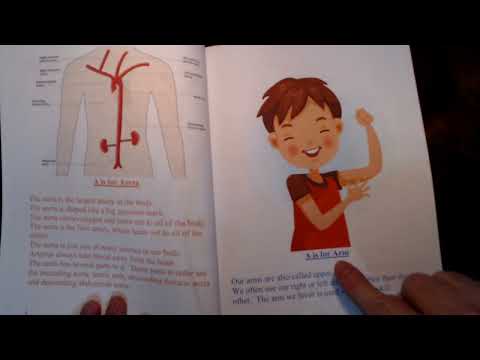
You know that moment when you trip over your own feet and suddenly realize you didn’t even see the pavement coming? Classic! Well, that’s just a sneak peek into how our amazing bodies work. Seriously, every little movement we make is a dance choreographed by muscles, bones, and nerves.
Now, anatomy and physiology might sound super serious at first, but trust me—there’s so much more to it. Imagine unraveling the mystery of how your heart beats faster when you spot a crush or how your stomach growls when you walk past a pizza place. It’s like having a backstage pass to the coolest show ever!
Engaging young minds in this subject is like unlocking a treasure chest of knowledge. It’s not just about memorizing bones and organs; it’s about understanding what makes us tick—literally! So let’s dive into the fun ways we can spark curiosity in kids about their own bodies. It’s an adventure waiting to unfold!
Engaging Strategies to Make Anatomy and Physiology Enjoyable and Accessible
So, when it comes to anatomy and physiology, you know what really gets people hooked? Making those concepts feel alive and relevant! Here are a few strategies that can totally make learning about the human body a blast.
First off, use hands-on activities. Seriously, nothing beats a good ol’ experiment or model. Think about dissections or 3D models of organs. You could even have students create clay models of muscles or bones. It’s way more fun to shape your own skeleton than just staring at a textbook, right? Plus, getting your hands dirty helps reinforce what you’re learning. Learning by doing is like magic!
Then, there’s storytelling. Imagine explaining how the heart works by telling tales about its journey through the body. You could narrate an epic adventure where red blood cells travel from the heart to the lungs and back again. Bring in some character—like “Rudy the Red Blood Cell.” This method turns dry facts into narratives that stick.
Don’t forget technology! Nowadays, there are tons of apps and virtual reality experiences that can show anatomy in ways we never dreamed of. Using VR goggles to explore a human body in 3D? That’s like stepping into science fiction! Kids love tech, and it makes ancient knowledge feel fresh and exciting.
Group work is another great angle. Teaming up for projects or presentations can spark creativity and deepen understanding. Students can collaborate on building a life-sized human body out of cardboard or paper-mâché! Each member could take ownership of different systems: one for digestive, another for circulatory…and so on. It’s teamwork meets science!
Games are also super effective. Think quizzes that feel like competitions instead of boring tests. Or board games where players have to answer anatomy questions to move ahead—who doesn’t love a bit of friendly competition? You get learning with fun mixed in; it’s a win-win scenario!
An interactive environment goes a long way too. Consider setting up anatomy stations in class where kids rotate around different topics—for example: one station focuses on muscles while another tackles the nervous system. This keeps things dynamic and helps maintain their interest over time.
Lastly, linking anatomy to real life makes concepts relatable! Discuss how proper diet impacts muscle health or how exercise strengthens the heart over time; kids will be way more engaged if they see how this stuff matters beyond textbooks.
So yeah, just keep it lively and relatable! Using these strategies can make your classroom an exciting space where the wonders of anatomy and physiology come alive for everyone involved. Remember: it’s all about making connections—between facts, feelings, and real-world applications!
Understanding the 5 Fundamental Principles of Anatomy and Physiology in Science
Sure! Let’s talk about the **5 fundamental principles of anatomy and physiology**—the cool stuff that helps us understand how our bodies work. This is super important, especially if you want to get young minds excited about science. So, here we go!
1. Structure and Function are Interconnected
You know how a lock and key fit perfectly together? Well, that’s kind of how structure and function work in anatomy and physiology. The way something is built (the structure) directly influences what it can do (the function). Like, our hands have just the right shape to grasp things—pretty neat, huh?
2. Levels of Organization
Our bodies are like a really complex Lego set, built up from different levels. It starts with atoms, which group together to form molecules. These molecules make up cells, which are the building blocks of everything living! Then cells come together to form tissues, organs, and eventually organ systems (like the digestive system). It’s like a big team effort!
3. Homeostasis
Think of homeostasis as your body’s way of keeping everything balanced—kind of like when you’re trying to keep your balance on a bike. Your body works hard to maintain stable internal conditions even when outside stuff changes—a bit like adjusting your temperature when it gets hot or cold outside.
4. Responsiveness
Your body can react to its environment in amazing ways. If you touch something hot, you don’t just sit there—you pull your hand away fast! That’s because of your nervous system sending signals super quickly so you don’t get hurt. This responsiveness is essential for survival.
5. Growth and Development
We all started as tiny little bundles before growing into who we are now—like little seeds sprouting into trees! Growth and development involve not just getting bigger but also maturing in function over time. Think about a baby learning how to walk; their muscles and bones develop in response to their efforts.
So there you have it:
- Structure & Function
- Levels of Organization
- Homeostasis
- Responsiveness
- Growth & Development
Engaging young minds means making this info relatable—using real-life examples or fun stories makes science more exciting! Like once I saw my little cousin react instantly after touching something cold; seeing that immediate response clicked for me how cool our bodies are. Understanding these principles gives kids a solid foundation for exploring anatomy and physiology deeper—and hey, who wouldn’t want to know more about this amazing machine called the human body?
Enhancing Anatomy and Physiology Education for Young Learners: Engaging Resources and Strategies (PDF)
Anatomy and Physiology education for young learners can be, let’s say, a bit tricky. These subjects are all about understanding how our bodies work, but they can feel overwhelming with all those scientific terms. So, let’s chat about some cool ways to make this learning fun and engaging!
First off, visual aids are your best friends. Kids love visuals! Think about colorful diagrams of the human body or interactive apps that show how organs function. When they see a heart pumping blood or lungs inhaling air in action, it really clicks. They’re not just memorizing; they’re seeing the magic unfold.
Hands-on activities are another fantastic route to take. Imagine having a model skeleton that kids can touch and assemble! Seriously, it makes anatomy memorable. You could even set up simple experiments—like measuring their heart rate before and after jumping jacks. It’s exciting! They get to experience physiology up close.
Also, storytelling plays a huge part in keeping kids engaged. You could weave tales about different body systems as if they were heroes on an adventure. For example, tell them about the “great journey” of oxygen from the air down to their lungs and then into their bloodstream. Make it lively! Kids have wild imaginations—you’d be surprised at how much they retain.
Now, technology can also enhance learning big time! There are tons of educational games out there focused on anatomy and physiology. Websites have interactive quizzes that help reinforce what they’ve learned while staying entertained at the same time. Gamifying education makes it feel less like “school” and more like fun.
Don’t forget about collaboration. Group activities where kids work together to solve problems or complete projects encourage teamwork while exploring anatomy and physiology together. Have them create a poster showing how different systems interact—like digestion working with circulation—that’s super educational but also super fun!
Lastly, incorporating creative arts like drawing or crafting helps solidify concepts too! Give them clay to mold muscles or organs; it’s messy but worth it when you see their proud little faces showing off their creations!
In short, when teaching young minds about anatomy and physiology:
- Use visual aids for better understanding.
- Engage with hands-on activities.
- Tell captivating stories related to body functions.
- Integrate educational technology through games.
- Create collaborative projects for teamwork.
- Encourage creativity with arts and crafts.
By mixing these strategies together—like making a smoothie—you create an educational experience that’s not just informative but genuinely engaging for young learners! And who knows? You might inspire the next generation of doctors or scientists along the way!
You know, when I think back to my own school days, I remember flipping through those big, hefty textbooks on anatomy and physiology. I mean, the images were cool and all—those detailed drawings of muscles and organs—but let’s face it, it could get pretty dry. That’s when I realized how important it is to keep things animated when teaching these subjects to young minds.
Picture this: a group of curious teens, wrinkling their noses at another lecture about the human body. Yeah, I get it. It’s tough to keep them engaged when they’re more interested in their phones than the four chambers of the heart. So what’s the solution? Well, storytelling! You can totally bring those scientific concepts to life by weaving them into relatable narratives. How many times have we heard stories about athletes overcoming injuries by understanding their bodies? It makes anatomy feel personal.
But wait! There’s more! Interactive experiences make a world of difference too. Ever seen kids light up while exploring a virtual reality program that dives into the human body? It’s like stepping into a sci-fi film where they can explore organs from within! Seriously, finding novel ways to engage students is key; whether through hands-on dissections (I mean, who wouldn’t find that cool?) or digital simulations.
And here’s the thing: anatomy and physiology aren’t just for future doctors or nurses. They unveil mysteries behind everyday phenomena—like why your heart races when you see someone cute or how your muscles can embarrass you during gym class. Making those connections not only captivates interest but also encourages critical thinking.
I had this teacher once who made us role-play as different systems of the body during class debates—it was hilarious and kinda genius at the same time! Who knew learning about homeostasis could spark such spirited conversations?
Engaging young minds isn’t merely about transferring knowledge; it’s about fostering curiosity and excitement around how our bodies work. It’s a journey worth embarking on because once they grasp even a fraction of that complexity—and see its relevance in their lives—they’ll be so much more invested in learning.
So yeah, let’s make anatomy and physiology come alive for them! Because when you do that, you’re not just teaching; you’re igniting passion for science that could last a lifetime.