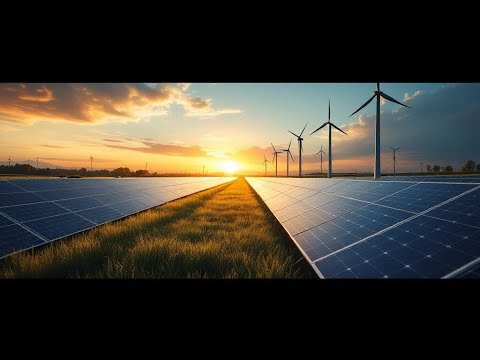
You know, the other day I was thinking about how many times I’ve nearly gotten blown away by strong winds. Seriously! It’s like Mother Nature just decided to try and turn me into a kite. But here’s the thing: all that wind is not just for comedy—it can actually power our lives.
Imagine using that same force to light your home or charge your devices. Crazy, right? Wind energy is becoming a big deal, and for good reason. It’s clean, green, and pretty abundant in many places. But here’s the kicker: is it actually worth investing in?
So let’s dig into this whole wind energy thing together. I mean, it sounds awesome on paper, but what about the dollars and cents? The economic side of wind energy can be a bit tricky to figure out. So grab a snack or something—let’s chat about whether wind can really blow us into a bright, sustainable future!
Evaluating the Economic Viability of Renewable Energy: Insights from Scientific Research
Renewable energy is all the buzz these days, and wind energy is like this shining star in that field. When you’re looking into whether it’s economically viable, there’s a lot to unpack. You know, it’s not just about building wind turbines and hoping for the best.
First off, let’s talk about **costs**. In recent years, the price of wind energy has dropped significantly. It used to be really pricey compared to fossil fuels, but now it’s often cheaper! A study from the International Renewable Energy Agency (IRENA) highlighted that onshore wind can be one of the least expensive sources of new power generation. Pretty sweet deal, huh?
Then there’s the **initial investment**. Sure, setting up turbines can cost a chunk of change upfront—think millions! But you’ve got to consider the long-term savings on fuel costs since wind is free. Many projects start making profit after just a few years because they’re saving so much on what they’d otherwise be paying for coal or gas.
Another thing to keep in mind is **government incentives**. These come in many forms, like tax credits or grants that help offset costs for companies venturing into wind power. In places like Germany and Denmark, strong government support has made wind energy a big player in their energy mix.
You also can’t ignore **job creation** potential. Wind farms require maintenance and operation staff once they’re built—this means jobs! According to some reports, thousands of jobs have sprung up in communities hosting these facilities. For many towns or regions struggling with unemployment, this can be a game changer.
At this point, let’s consider **environmental impacts** too. Wind energy has a much lower carbon footprint than fossil fuels; less emissions typically mean fewer costs related to climate change down the line! You’ve probably heard about climate-related disasters affecting economies—so investing in renewables might save more money than it costs overall.
But there are challenges too. Like what if there are fluctuations in wind? That’s where things get tricky; reliable power generation needs consistent wind patterns or backup sources ready when it’s calm out there.
In summary:
- Cost efficiency has improved dramatically.
- Initial investments are high but pay off.
- Government incentives can spice things up.
- Job creation helps local economies.
- Environmental benefits can lead to long-term savings.
- Variable production still needs addressing.
So yeah, evaluating the economic viability of wind energy involves a lot more than just numbers—it’s also about balancing costs against benefits while considering how we impact our planet and local communities. That balance makes renewable energies like wind not just possible but increasingly essential for our future!
Assessing the Economic Viability of Wind Energy Solutions: A Comprehensive Analysis in PDF Format
So, you know wind energy? It’s pretty cool how we can harness the power of the wind to create electricity. Assessing its economic viability is super important if we want to figure out if it’s a good investment, right? Let’s break it down in a way that’s easy to understand.
First off, let’s talk about **costs**. When it comes to wind energy, there are a few key expenses you need to consider:
- Initial investment: Just like buying a new car, installing wind turbines costs money upfront. We’re talking about everything from the turbines themselves to the land and infrastructure needed.
- Maintenance: Wind turbines are relatively low maintenance compared to other energy sources, but they still need some care every year. This cost can add up over time.
- Operational costs: These are day-to-day expenses that keep the whole operation running smoothly—think of it like gas for your car!
The good news is that once those initial costs are covered, wind energy can be pretty cheap per unit of electricity produced. It’s kind of like how once you’ve paid off that car loan, your monthly payment drops significantly!
Now, let’s discuss **potential revenues**. Wind energy generates income through:
- Electricity sales: The main way is selling electricity back to the grid—this is where most of the money comes from.
- Tax incentives and subsidies: Many governments offer financial breaks for renewable energy projects, which can seriously boost profits.
- CERTIFICATES: In some regions, companies receive certificates for producing green energy that they can sell or trade.
If you think about it this way: as long as the wind keeps blowing (which it does!), you’re likely going to have steady income—and who doesn’t love that?
You also have to consider the **location** of your wind farm. Places with consistent strong winds are ideal. If you’ve ever felt how windy it gets on a hill or at the beach—that’s what you want! Areas like these will maximize power generation and make operations more profitable in the long run.
If you’re thinking about investing in wind energy or starting a project, it’s important not just to look at numbers on paper but also at things like **environmental benefits**. For instance, reducing dependence on fossil fuels helps combat climate change and leads to cleaner air. This might not show up directly as dollars in your pocket but think about how much better you’d feel knowing you’re doing something positive!
Anecdote time! I remember reading about a small community that set up its own wind farm after experiencing high electricity prices for years. They thought long and hard about whether it was worth the investment; after all those calculations and planning phases—you know how stressful those budgeting meetings can be! But eventually, they pushed through! Now they enjoy lower electricity bills and even sell excess power back to their local grid—it really paid off for them!
The bottom line here? Assessing the economic viability of wind energy isn’t just about numbers; it’s also about understanding risks and opportunities that come with it. As more people recognize its benefits and innovations improve technology efficiency—that could make wind an even bigger player in our future energy mix!
If you’ve got any thoughts or questions buzzing around your mind after reading this—don’t hesitate! Wind energy is such a fascinating topic with loads of layers beneath its surface.
Exploring the Economics of Wind Energy: A Comprehensive PDF Resource for Researchers in Environmental Science
Wind energy has been cropping up more and more in conversations about sustainable power. That’s not a coincidence! It’s like, you know, one of the key players in the shift toward cleaner energy sources. So let’s break down why wind energy is becoming such a big deal economically.
First off, let’s talk about costs. The initial investment for wind energy can be pretty hefty. Setting up a wind farm involves purchasing turbines, land, and installation costs. However, once those turbines are up and running, they don’t need much to keep going—like seriously low operating costs compared to fossil fuels.
Then there’s the cost of maintenance. Turbines usually need some care every now and then, but studies show they tend to be reliable. The average lifespan? Around 20-25 years! That means you’re locking in that clean energy for quite a while.
Now you might wonder about returns on that investment. Well, wind energy can generate revenue through selling electricity back to the grid or providing power directly to businesses or communities. Green certificates also come into play here—these are like rewards for producing renewable energy which can add extra bucks.
Also interesting: job creation. The wind industry isn’t just about turbines spinning away; it creates jobs in manufacturing, installation, and maintenance as well! It’s estimated that thousands of jobs can pop up from developing these projects. Who wouldn’t want more job opportunities?
But not everything is sunshine and rainbows—there are challenges too. For instance, areas with less consistent wind might struggle to keep production stable. Plus, transmission costs can add a bit of weight to the budget when you’re moving that power from windy spots to populous areas.
Another cool part? Government incentives are often available to encourage this kind of investment. Tax credits can make a big difference for businesses wanting to dip their toes into renewables.
In terms of environmental science research resources like PDFs that focus on evaluating the economic viability of wind energy solutions can really help push this field forward by sharing valuable data and analysis methods.
So really,. if you look at all these factors together—the long-term benefits vs short-term investments—it starts adding up to something pretty encouraging for renewable sources like wind energy! More researchers diving into this topic with well-documented resources can only help us understand better how we can harness these winds—not just for cleaner air but also for stable economies alongside them!
So, let’s chat about wind energy for a second. You might’ve noticed those gigantic wind turbines spinning in the distance when you drive through the countryside, right? They look like some sort of futuristic giants, standing tall and proud. Anyway, it got me thinking about just how viable is wind energy for our economy?
First off, wind energy has become pretty popular over the years. And I get it! It’s renewable and doesn’t pollute like fossil fuels do. Plus, the winds are free! But then there are costs tied to building those massive turbines and setting up all the infrastructure needed to harness that breezy goodness.
I was at a family gathering recently, and my cousin was all excited about his new job in a wind farm. He was telling me left and right about how much these projects can generate in terms of electricity—and jobs too! That’s when I realized that while the initial investments might seem steep, they could pay off if we think long term.
But hold on! There’s also this whole debate about whether these projects harm local ecosystems or affect property values. Some folks feel like they’re an eyesore or worry about birds flying into them. And yeah, that can be a tough pill to swallow when you’re trying to weigh pros and cons.
You see? It’s not just black and white; there’s this whole spectrum of factors to consider—like local economies benefiting from clean energy vs. potential disruptions in rural areas. You’ve gotta balance environmental benefits with economic concerns.
And what gets me thinking more is innovation. As technology improves, we might find cheaper ways to build and maintain these things. Imagine if the next big breakthrough allows us to install turbines at half the cost? Suddenly, what seemed unachievable now looks pretty darn promising!
In short, while evaluating wind energy’s economic viability can be tricky—it feels like a dance between costs and benefits—you can really see potential glimmering if we keep pushing innovation forward. Just imagine what could happen if we invest wisely today!