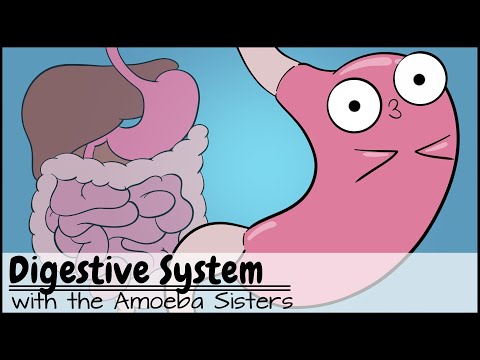
You know that feeling when you eat a giant slice of pizza, and your stomach’s all like, “Whoa, what did you just do to me?” Yeah, your digestive system is working overtime!
It’s kind of wild if you think about it. All the stuff we chow down on goes through this amazing journey inside us. Seriously, it’s like a rollercoaster ride for food!
From munching to munching to… well, you know what happens at the end. It’s all part of how our body breaks down food and turns it into energy. So, let’s take a peek inside this busy highway of organs and see how they keep us running smoothly every day!
Comprehensive Overview of Human Digestive System Anatomy and Physiology: A Resource for Health Sciences
The human digestive system is like a complex assembly line, turning food into energy and nutrients our bodies need to function. Let’s break it down, piece by piece, so you can really get what’s going on in there.
First off, it all starts in the mouth. You take a bite of your favorite pizza, right? Your teeth chew it up, and saliva mixes with the food. Saliva contains enzymes that kick off the digestion process. This is where the magic begins!
Then, we swallow that mushy mix—now called bolus—and it travels down the esophagus. This tube connects your throat to your stomach. It feels kind of weird when you think about it: muscles contract rhythmically to push the food down. How cool is that?
Once it reaches the stomach, things get wild. Your stomach is like a churning cauldron! It’s super acidic in there because of gastric juices—this helps break down food even more. Think of it as nature’s blender! The walls of your stomach are muscular and help mix everything up.
Next up, we move into the small intestine—which is actually pretty long! Around 20 feet, can you believe that? This part absorbs most nutrients from what you’ve eaten. Tiny finger-like projections called villi line the walls—they work hard to grab onto those nutrients and send them into your bloodstream.
After all that nutrient absorption, what’s left heads into the large intestine (or colon). Here, water is reabsorbed and the leftover waste gets compacted. It’s like sorting through leftovers after a party—what can we keep? What goes?
Finally, everything gets ready for exit through the rectum as stool. Quite a journey for that pizza slice you started with!
Now let’s touch on some anatomy details which brings everything together:
- Mouth: The starting point where mechanical and chemical digestion begins.
- Esophagus: A muscular tube connecting mouth to stomach.
- Stomach: An acidic environment helping further breakdown of food.
- Small Intestine: Main site for nutrient absorption.
- Large Intestine: Reabsorbs water and compacts waste for elimination.
So remember: your digestive system isn’t just about breaking down food; it’s also about absorbing nutrients and getting rid of waste. It’s this **amazing** process that keeps us going each day! The next time you’re munching on something tasty, just think about all those little organs working hard behind the scenes—you’re not just fueling up; you’re engaging in some seriously fascinating biology!
Exploring the Anatomy and Physiology of the Human Digestive System: Implications for Health and Disease
The human digestive system is like a well-oiled machine, you know? It breaks down food, absorbs nutrients, and sends waste packing. This whole process is a bit intricate, but let’s break it down. The digestive system is made up of multiple organs that work together, kind of like a team effort.
First off, when you eat something yummy, your journey begins in the mouth. Here, saliva helps break down food and make it easier to swallow. Enzymes in the saliva start digesting carbohydrates right away. Can you imagine? Even before your food hits your stomach, it’s already getting to work!
Once swallowed, food travels down the esophagus, a muscular tube that pushes food into your stomach using wave-like motions called peristalsis. It’s like a roller coaster for your lunch! From there, it lands in the stomach where things get more intense.
The stomach is an acidic environment with special juices that mix and churn the food into a semi-liquid form called chyme. It’s wild how much your body works to make this happen! Think of it as a blender for digestion—everything gets mixed thoroughly before moving on.
Next on our digestion tour is the small intestine. This long tube does most of the heavy lifting when it comes to absorbing nutrients. It has three parts: duodenum, jejunum, and ileum. Each part tackles different types of nutrients—from fats to proteins to carbs—and ensures they get absorbed into your bloodstream.
- Duodenum: This first part mixes chyme with bile (from the liver) and pancreatic juices to help digest fats and neutralize stomach acid.
- Jejunum: In this section, most nutrient absorption occurs—think vitamins and minerals!
- Ileum: The last part absorbs any remaining nutrients and directs what’s left toward the large intestine.
The large intestine, or colon as some call it, is responsible for absorbing water and electrolytes from what’s left over after all that nutrient extraction. It helps turn whatever’s left into waste that we eventually eliminate. If you’ve ever had issues with constipation or diarrhea, this part can really show how crucial balance is in our health!
You might not think about it often, but gut health plays a huge role in overall health. A well-functioning digestive system can affect everything from energy levels to mood—seriously! Imbalances or diseases like IBS (Irritable Bowel Syndrome) or Crohn’s disease can lead to discomfort or serious health issues if not managed properly. And don’t even get me started on how gut bacteria influence our digestion; they’re like tiny helpers in our bodies!
A key takeaway here is that keeping your digestive system happy should be a priority. Eating fiber-rich foods like fruits and vegetables can help maintain gut health while staying hydrated keeps everything running smoothly.
If you think about it, every bite you take can affect how well this complex system operates. So next time you grab a snack or meal, just remember: there’s a whole world of action happening inside you!
Comprehensive Overview of Human Digestive System Anatomy and Physiology: Key Insights for Health Science Students
So, let’s chat about the human digestive system. You might not think about it every day, but it’s like a complex machine that turns food into energy. It’s made up of a few key parts working together in an amazing way.
The whole thing kicks off in your mouth. When you chew, your teeth break down food while saliva—yep, that spit—starts the digestion process by mixing with the food and breaking down carbs. It’s super important because it’s the first step to getting all those nutrients your body craves.
Once you swallow, food travels down the esophagus, which is this tube connecting your mouth to your stomach. It’s kind of like a slide for food! Muscles contract in a wave-like motion called peristalsis to push the food along. Fun fact: it takes about 10 seconds for food to make this trip!
Next stop: the stomach. This place is where the magic really happens. Your stomach churns and mixes food with gastric juices, which are super acidic. This helps break everything down into a semi-liquid called chyme. And guess what? The stomach can hold about 1-2 liters of stuff at once! No wonder we sometimes feel so full after eating.
Then, chyme moves into the small intestine, and oh boy, this is where most nutrient absorption goes down! The small intestine is about 20 feet long—like, wow! As chyme passes through here, it mixes with bile from the liver and digestive enzymes from the pancreas to help breakdown fats and proteins further.
The walls of the small intestine have these tiny finger-like projections called villi. These guys are really important because they increase surface area so that more nutrients can be absorbed into your bloodstream. Imagine having tons of little straws sucking up all those good things from your food!
After its journey through the small intestine, any leftover material heads into the large intestine, or colon. This part’s mainly responsible for absorbing water and electrolytes from what’s left over before it becomes waste. The large intestine also houses lots of friendly bacteria that help digest any remaining nutrients and keep everything balanced!
You know what? The whole process takes anywhere from 24 to 72 hours! That means patience is key when you’re waiting on those tasty tacos to turn into energy.
A bunch of things can mess with this finely-tuned system too—like stress or poor diet choices can lead to issues like indigestion or heartburn. So taking care of your gut health is seriously important for overall well-being!
- Mouth: Starts digestion with chewing and saliva.
- Esophagus: Transports food using muscle contractions.
- Stomach: Churns food with acid to create chyme.
- Small Intestine: Main site for nutrient absorption with villi increasing surface area.
- Large Intestine: Absorbs water and electrolytes; houses beneficial bacteria.
This whole digestive journey right under our noses (literally!) works hard every day without us even thinking about it—how cool is that?
You know, the digestive system is kind of like the unsung hero of our bodies. We don’t give it much thought until something goes wrong—like that time I had food poisoning after a not-so-smart decision at a sketchy taco stand. Man, that was one rough 24 hours! But really, it’s pretty amazing how this whole system works to keep us healthy.
So, let’s break it down a bit. The digestive system is basically this long tube running from your mouth to your bum—like, seriously, it’s around 30 feet long in adults! First off, it all starts with chewing. Yeah, that’s right! You think you’re just munching on some delicious pizza, but you’re actually starting the process of breaking down food into smaller pieces. Saliva mixes in there too, and trust me—it’s more than just moisture; it has enzymes that kickstart digestion.
Then comes the esophagus—this cool tube that helps push food down into your stomach using muscles in a fancy motion called peristalsis. It’s kinda like an escalator for your food!
Once your food hits the stomach, things get wild. The stomach is like this acid bath where food gets mixed up with gastric juices—super strong stuff to really break things down. It can be intimidating to think about acid in our bodies, but it’s essential for digesting proteins and killing harmful bacteria.
From there, we get into the small intestine—where all the magic happens! Nutrients are absorbed here so your body can use them for energy and health. It’s lined with tiny finger-like projections called villi that increase surface area and help soak up as much goodness as possible.
Oh, and let’s not forget about the liver and pancreas—they’re like backup dancers in this whole production. The liver produces bile (which helps digest fats), while the pancreas releases enzymes that further break down carbs and proteins. Without them? Well, we’d be in big trouble!
And then there’s the large intestine where all those leftovers hang out before making their exit from the body. Water absorption happens here too; no sense wasting what we need!
So yeah, when everything’s working smoothly? You hardly notice your digestive system at all! But when it’s not? Oh boy… bloating or cramping can definitely ruin a good day.
In essence, keeping our digestive system healthy involves eating right (fiber anyone?), staying hydrated, and listening to our bodies when something feels off. Next time you snack on something tasty or enjoy a meal with friends, take a moment to appreciate just how hard your body is working behind the scenes!