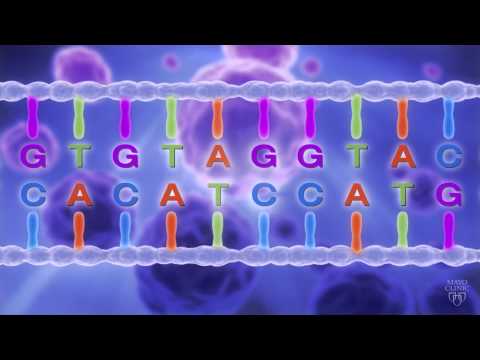
So the other day, I was watching this show about crime scene investigations. You know those moments when they whip out a tiny sample of DNA and suddenly, it’s like they have a superpower? They can solve mysteries with just a few cells! Pretty wild, right?
But here’s the real kicker: we’re not just stopping at solving crimes. The advancements in DNA and RNA sequencing techniques are seriously mind-blowing. It’s like we’re unlocking the secrets of life itself, one sequence at a time.
Think about it—these tiny strands of code hold all the information about living things. And thanks to new tech, we’re figuring out more than ever before. It’s crazy to see how this stuff can change medicine, agriculture, and even crime solving!
So grab your favorite snack and settle in because we’re about to get into how these breakthroughs are shaping our understanding of everything around us!
Advancements in Next Generation Sequencing: A Comprehensive Overview for Scientific Research
Next generation sequencing (NGS) has revolutionized the way we look at DNA and RNA. It’s like having a super speedy library of genetic information at our fingertips. So, what’s the big deal? Well, let’s break it down.
Speed and Efficiency
Traditional sequencing methods were like reading a book one page at a time. NGS, on the other hand, can read millions of pages all at once! This means researchers can get results in days instead of months or even years. Imagine how much faster we could find cures for diseases with this kind of speed!
Cost Reduction
The cost of sequencing has dropped dramatically over the past decade. You know that feeling when you find that awesome deal? That’s what scientists are experiencing with NGS! The price is now so low that even smaller labs can afford to dive into genetic research without breaking the bank.
High Throughput Capability
NGS allows for high throughput capabilities, meaning it can process vast amounts of samples simultaneously. For example, if you’re studying a population of plants or animals, you can sequence hundreds or thousands of individual genomes in one go. This opens up a treasure trove of data for studying biodiversity and evolutionary biology.
Applications Across Fields
The applications are endless! Take medicine: researchers can use NGS for everything from
to
. In agriculture, it helps in developing crops that are more resistant to pests and climate change by understanding their genetic makeup. It’s like having a cheat sheet for nature!
The Power of RNA Sequencing
And let’s not forget about RNA sequencing! This technique helps scientists understand how genes are expressed—basically how our DNA tells our cells what to do. By analyzing RNA sequences, researchers can pinpoint which genes are active under different conditions, giving insight into diseases and potential treatments.
Data Analysis Challenges
Now here’s the kicker: all that data comes with its own set of challenges. The amount generated is massive; think of it like trying to swim through an ocean instead of just a pool! Analyzing this data requires advanced computational tools and expertise to truly make sense of what you’re looking at.
Anecdote Time!
I remember talking to a friend who works in genetics research; he was so pumped up about using NGS for his project on rare genetic disorders. He said it felt like being handed keys to unlock mysteries he’d been chasing for years! That excitement is contagious.
In summary, advancements in next generation sequencing have transformed scientific research by providing faster results, lowering costs, increasing sample throughput, enabling diverse applications across various fields but also presenting new challenges with data analysis. With such momentum behind this technology, who knows what incredible discoveries lie ahead?
Next-Generation Sequencing: A Comprehensive Guide in PDF Format for Advanced Scientific Research
Next-Generation Sequencing, or NGS for short, is totally changing the landscape of genetic research. It’s like going from a flip phone to a smartphone. Seriously, the advancements in DNA and RNA sequencing techniques are not just cool; they’re revolutionary!
So, what’s the big deal about NGS? Well, let’s break it down. Traditional sequencing methods were time-consuming and expensive. You could only read small segments of DNA at a time, which was kind of like trying to read a book one letter at a time. But with NGS, you can sequence millions of fragments simultaneously. This technology allows researchers to gather data much faster and more economically.
One key feature of NGS is its ability to produce massive amounts of data in just a few hours or days. This high throughput capability means that scientists can look at entire genomes or transcriptomes instead of just focusing on isolated genes.
Now let’s touch on some specific techniques used in NGS:
- Illumina Sequencing: This is probably the most common method you’ll come across. It works by adding fluorescently labeled nucleotides to a growing DNA strand and capturing images after each base addition.
- Ion Torrent Sequencing: Instead of looking for light signals like Illumina does, Ion Torrent measures changes in pH as nucleotides are added during DNA synthesis.
- PacBio Sequencing: This one uses “single-molecule real-time” technology and is great for reading longer stretches of DNA sequences.
Each method has its pros and cons depending on what researchers need for their specific project.
Now, you might be asking: why should I care about understanding all this? Well, think about how much we rely on genetic information today—from personalized medicine to understanding diseases better! For example, when scientists are looking into cancer treatments, they use NGS to identify mutations in genes quickly—and that can lead to more effective therapies tailored specifically for individual patients.
Another exciting aspect is RNA sequencing (RNA-seq). It helps us understand gene expression—a fancy way of saying how active certain genes are at different times or conditions. This can unravel complex biological processes like how cells adapt when they’re under stress or fighting off infections.
And here’s something emotional: imagine a scientist discovering a genetic mutation that causes a rare disease affecting children worldwide. With NGS tools at their disposal, they can identify that mutation quicker than ever before—and potentially develop life-saving treatments.
To wrap it up: Next-Generation Sequencing has transformed our ability to explore genetic material—making it faster and cheaper than ever before. All this innovation not only advances research but also opens new doors for healthcare solutions that could change lives for the better!
So yeah, if you’re delving into scientific research nowadays, getting familiar with NGS is basically essential—it’s like having the right tools in your toolbox when building something amazing!
Exploring Next-Generation Sequencing Technology: Current Trends and Innovations in Genomic Science
So, let’s talk about next-generation sequencing (NGS) technology! It’s a real game-changer in the world of genomics and is pushing forward our understanding of DNA and RNA like never before. You might be curious about how it works or why it’s such a big deal. Well, buckle up; we’re diving right in!
What is Next-Generation Sequencing?
Basically, NGS refers to modern methods that allow scientists to sequence entire genomes quickly and cost-effectively. Unlike the older methods that took ages (seriously, it was like watching paint dry!), NGS can process millions of DNA strands simultaneously. Imagine reading every book in a library all at once—that’s what NGS does for genetic information.
Current Trends in NGS Technology
You know how tech keeps evolving? Well, NGS does too! Here are some current trends shaking things up:
Innovations on the Horizon
What comes next? Well, here are some cool innovations being developed:
The Power of RNA Sequencing
Not only is NGS great for DNA but also fantastic for RNA! RNA-seq, as it’s called, helps researchers understand gene expression—basically figuring out which genes are turned on or off in different conditions. Like tuning an instrument; you can hear different sounds depending on which strings you pluck.
One thing that really stands out with RNA-seq is its ability to reveal insights into diseases, especially cancers where certain genes might behave differently.
Anecdote Time!
I remember listening to a scientist share their excitement about using NGS to tackle genetic disorders in kids. They recounted how one specific gene variant was linked to a rare condition affecting children’s health. With the information gained from sequencing, they crafted targeted therapies that made dreams come true for families hoping for better treatments!
In closing (but not really), next-generation sequencing is seriously reshaping genomic science and opening doors you wouldn’t believe! With each leap forward—be it through single-cell insights or AI-powered analysis—we’re getting closer to unlocking life’s mysteries hidden in our DNA and RNA strands. The future looks bright!
You know, I find myself thinking about how far we’ve come in understanding the blueprint of life. Just a few decades ago, sequencing DNA was a massive challenge, like trying to read an entire library with no index. But now? We’ve hit turbo-speed with advancements in DNA and RNA sequencing techniques that are genuinely mind-blowing.
I remember when my friend was going through a tough time with her health. Doctors couldn’t pinpoint what was wrong for ages. It wasn’t until they decided to use next-generation sequencing that they found a rare genetic mutation affecting her treatment options. In just a matter of days—something that used to take weeks or even months!—they finally had answers. It felt like watching science in real-time, changing lives, you know?
Okay, let’s break it down a bit. DNA sequencing is basically just figuring out the order of those pesky little building blocks called nucleotides that make up genes. And RNA sequencing? Well, it gives us insights into which genes are active at any given moment, acting like a spotlight on the processes happening in our cells.
With techniques like CRISPR and nanopore sequencers popping up all over the place, not only can we read this genetic code faster than ever, but we’re also starting to edit it! That’s like being able to fix typos in your favorite book without having to rewrite the whole thing. Imagine how wild that is! We’re talking about potential cures for genetic disorders or even personalizing medicine based on your unique genetic makeup.
But with great power comes great responsibility—or so they say. With all these advancements, we have to think about ethics too: who gets access to this technology? How do we protect privacy? Those are big questions we can’t ignore if we’re going to use this knowledge wisely.
So yeah, while I’m excited about where DNA and RNA sequencing is heading—how it could help save lives and revolutionize medicine—I can’t help but feel it’s just scratching the surface of what’s possible. It’s like being on this awesome rollercoaster ride through the unknown, with every twist making us see something new and thrilling ahead!