Imagine you’re chilling at home, and you crack open a soda. The fizz that escapes? That’s gas escaping from a liquid. Pretty cool, huh? That little pop is a sneak peek into the world of gas-liquid equilibrium.
So, what’s that, anyway? Well, it’s all about how gases and liquids get along. Like the dance of two best friends at a party. Sometimes they’re close, sometimes they’re apart, but they always find a way to balance it out.
Think of boiling water. You heat it up, and bubbles start forming. Those bubbles are gas! They rise and pop at the surface, showing us that crazy transition between states of matter.
Nature is full of this kind of stuff! Every time you see mist rising from a lake or steam from your morning coffee, you’re witnessing gas-liquid equilibrium in action. It’s like nature’s own show—and we’re just lucky enough to be in the audience!
Understanding Gas-Liquid Equilibrium: Key Concepts and Applications in Physical Chemistry
Alright, so diving into gas-liquid equilibrium might sound a bit intimidating, but it’s all about how gases and liquids interact with each other under certain conditions. You know how sometimes you open a can of soda, and you see bubbles rushing to the top? That’s gas escaping from the liquid! It’s a nifty way to visualize gas-liquid equilibrium in action.
So, what’s happening here? Well, gas-liquid equilibrium refers to the state where the rate at which gas molecules enter the liquid equals the rate at which they escape back into the air. This balance is crucial in many natural processes, like how fish breathe water or how rain forms. Pretty cool, huh?
The concept relies on several factors:
- Temperature: As temperature increases, more gas can escape from the liquid. Think of it like heating up a pot of water—eventually, steam (a gas) starts rising.
- Pressure: Increasing pressure can push more gas into the liquid. Ever heard about carbonated drinks? Those bubbles are under high pressure and when released, they fizz up!
- Molar concentrations: This measures how many molecules of gas are present compared to the liquid. More molecules mean a greater chance for interaction.
If you take a moment to think about it, this stuff pops up everywhere! Consider lakes or oceans: gases like oxygen and carbon dioxide dissolve in water and equilibrate with the atmosphere. This process is essential for aquatic life; fish need that dissolved oxygen to survive. If all those gases just vanished? Yikes!
You might also be wondering why this matters in physical chemistry. One big reason is that understanding these equilibria helps scientists design better chemical processes. For instance, industries that create products using gases—like plastics—depend on knowing how to control these states effectively.
Furthermore, think about climate change and its effect on our oceans. As CO2 levels rise in our atmosphere from human activities, more CO2 gets absorbed by seawater leading to ocean acidification. And guess what? That disturbs not only marine life but also impacts global weather patterns.
So basically, by studying gas-liquid equilibrium we can tackle some really pressing issues of our time—from preserving ecosystems to mitigating climate impact. It all connects back to those tiny molecules dancing around between states! Isn’t that fascinating?
If you’re curious about experimenting with this concept at home (just for fun!), try filling a glass with warm water and then add some soda—or any fizzy drink—for that matter! Watch those bubbles dance right out! It’s a simple way of observing what happens when gases interact with liquids.
This equilibrium isn’t just an abstract idea; it’s proof of nature’s balance right under our noses—teaching us lessons every day!
Understanding the Three States of Matter in Nature: A Scientific Exploration
So, you know how everything around us seems to be made of something? That something typically exists in one of three states: solid, liquid, or gas. It’s like nature’s little way of organizing itself. But here’s the kicker: these states can change based on conditions like temperature and pressure. Let’s take a closer look!
Solids are the most stable state we usually encounter. Think about ice cubes or rocks. Solids have a fixed shape and volume because their particles are tightly packed together. They don’t move around much, which is why they hold their shape.
Then we have liquids. Imagine water in a glass; it takes the shape of its container but still has a definite volume. The particles in liquids are less tightly packed than solids, so they can move past each other. That’s what allows liquids to flow and fill up different shapes while maintaining that same amount of space they occupy.
The third state is gas. Picture a balloon filled with air. Gases don’t have fixed shapes or volumes; they expand to fill whatever space they’re in! This happens because gas particles are super far apart and move around freely at high speeds.
You might be wondering how these states relate to each other, especially when we talk about something cool called gas-liquid equilibrium. It’s this balance point where gas and liquid coexist, like water vapor above a lake—some moisture hangs above even though it’s not raining! This happens when the rate of evaporation matches the rate of condensation.
Here’s a quick breakdown:
- Temperature Matters: Heat increases energy in particles causing them to move from solid to liquid (melting) or from liquid to gas (evaporation).
- Pressure Plays a Role: Increasing pressure can push gas into liquid form—like when you pop open a soda bottle!
- Nature’s Balance: The balance between evaporation and condensation keeps things stable, ensuring you don’t always end up with just steam or just water.
A cool personal anecdote comes to mind: I once went camping with friends by this beautiful lake. One evening, as we were roasting marshmallows, I noticed how the mist rose off the surface—totally magical! That mist was an example of gas escaping from the water into the air while still maintaining some moisture in the lake below.
This interplay between states is essential for life on Earth because it impacts weather patterns, ecosystems, and even our daily activities. Water cycling through its different forms keeps things dynamic—rainfall fills rivers while evaporated moisture creates clouds teased by sunlight.
The bottom line is that understanding these three states of matter gives you insight into not only natural phenomena but also everyday stuff like why puddles disappear when it gets sunny or how clouds form overhead. So next time you’re out enjoying nature, take a moment to appreciate all those tiny particles working together in perfect harmony!
Exploring the Four Fundamental Components of Matter in Scientific Study
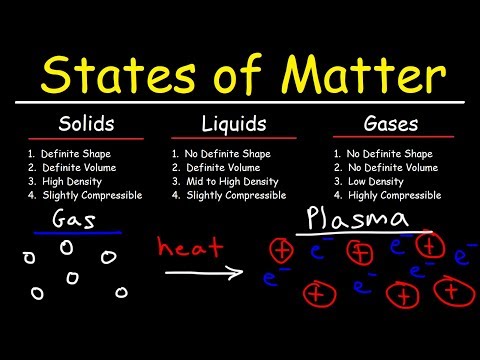
Alright, let’s break this down. Matter is everything around us, right? It’s made up of tiny building blocks called atoms. Now, when we talk about the four fundamental components of matter, we’re usually referring to solids, liquids, gases, and plasma. Each of these states has its own unique properties and behaviors.
Solids are pretty straightforward. You can think of them like something you can hold in your hand—like a rock or a piece of ice. The thing is, the particles in a solid are packed tightly together and vibrate in place. This makes solids rigid and gives them a definite shape.
Liquids, on the other hand, are like water or juice. They have a definite volume but not shape. The particles are still close together but can slide past each other, letting liquids flow into whatever container they’re in. Imagine pouring soda into a cup; it takes the shape of your cup but stays at the same height.
Gases are next on our list! They’re kind of like the wild child of matter. Gases take both the shape and volume of their containers because their particles are much further apart and zooming around freely. Think about how air fills up a balloon—it fills every nook and cranny!
Now here’s where it gets interesting: plasma. This state occurs when gas gets super hot—like really hot, to the point that its atoms begin to lose electrons! You see plasma commonly in things like lightning or even the sun. It’s chaotic yet beautiful; definitely not something you’d want to try to catch with your hands!
Now let’s shift gears just for a second: gas-liquid equilibrium. Imagine you have a glass of water sitting out at room temperature. Some of that water will evaporate into gas (water vapor), while some vapor might condense back into liquid water. This balance where both states coexist is gas-liquid equilibrium.
- The rate at which molecules leave the liquid surface equals the rate they re-enter it from the vapor.
- If you heat that glass up, more molecules will escape into gas until a new balance is found.
- If it cools down again, more will condense back into liquid.
This whole process happens everywhere in nature! Picture foggy mornings when dew forms or how puddles dry up under sunlight—you’re witnessing this balance play out all around you!
The fun part is that all these states aren’t just separate entities; they can transform from one to another under different conditions—like heating or cooling—and this flexibility plays a huge role in weather patterns or even cooking! So think about your favorite hot soup—it starts as liquid but can turn gaseous steam when boiling!
The four states of matter, alongside concepts like gas-liquid equilibrium, help scientists understand how materials behave under various conditions and contribute crucially to fields ranging from meteorology to engineering and beyond! Isn’t it wild how much depth there is behind those simple terms?
Gas-liquid equilibrium is one of those cool concepts that you might not think about until you notice something odd happening, like when you boil water for tea. You see steam rising, then when you take the kettle off the stove, it all kind of settles back into liquid again. That’s a perfect little demonstration of how these two states of matter—gas and liquid—kind of dance together in their own little world.
So, what’s actually going on? Well, when you heat up water, molecules start moving around faster. They gain energy and some turn into gas, or vapor. It’s like a party! But then when it cools down, those energetic molecules lose their bounce and start sticking together again to form liquid. It’s this back-and-forth shuffle that keeps everything in balance.
I remember once camping under the stars with friends. We had set up a little fire and boiled some water for cocoa. As we poured the steaming hot drinks into our mugs, we could see that haze rising from the liquid, a mix of gas and liquid right there in our hands. It was such a cozy moment! But then I started wondering about how tiny those water molecules were doing their thing while we sat around chatting and laughing.
But it’s not just boiling water—think about clouds! They’re basically collections of tiny water droplets hanging out in the air as vapor before they decide to fall back down as rain. This constant changing between gas and liquid keeps our environment balanced. If too much moisture stays as vapor, it can lead to storms; if too much condenses too quickly, well… that can lead to floods.
It feels like nature has its own way of balancing states of matter without us even noticing sometimes. Everything is interconnected—like each drop is part of a much bigger system working just fine on its own terms! And honestly? That makes me appreciate a simple cup of tea even more!