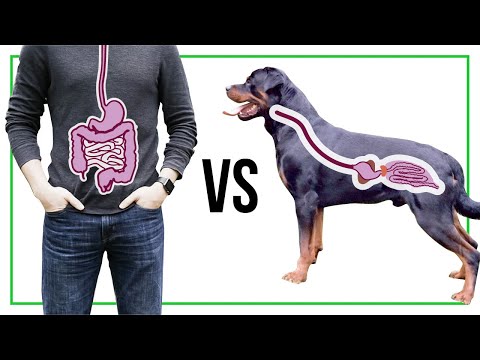
So, picture this: your dog just finished a delicious meal. You know, the kind where they practically inhale their food? It got me thinking about what happens next. I mean, we see them chomping away, but do we ever stop and think about their intestines?
These little tubes are like the ultimate food processors. Seriously! They play a huge role in breaking down all that yummy goodness into energy. It’s wild how something so hidden can be so important, right?
But here’s the kicker—dogs have a totally different digestive setup than we do. So, let’s take a chill dive into the anatomy of those canine intestines and discover how they handle all that kibble and treats! Sound good?
Understanding the Canine Digestive System: A Step-by-Step Exploration
The canine digestive system is a fascinating piece of biological machinery. Just like ours, it’s designed to break down food and absorb nutrients, but there are some key differences.
First off, let’s talk about the mouth. When your dog chomps down on their food, they’re not just munching for fun. Their teeth are shaped specifically to tear meat and chew up other types of food. You might notice they have fewer molars compared to humans—this is because dogs are primarily carnivorous, so their teeth are optimized for that diet.
Once they’ve had a good chew, the food moves into the esophagus. This tube connects the mouth to the stomach. It’s like a slippery slide that helps push food down using rhythmic contractions called peristalsis. You know when you watch a dog gobble up its dinner? It looks like they’re almost inhaling it! That’s just their natural instinct kicking in.
Then comes the stomach. Here’s where it gets interesting. A dog’s stomach is pretty strong and acidic—it produces hydrochloric acid that’s way stronger than what we have. This helps break down proteins and kill off nasty bacteria in their food. Imagine a cozy pit stop for everything that’s about to be digested!
After the stomach does its work, food moves into the small intestine. It’s quite long—about three times your dog’s body length—and this is where most nutrient absorption happens. The small intestine has three parts: the duodenum, jejunum, and ileum. Each part plays a specific role in breaking down food further using enzymes from the pancreas and bile from the liver.
Once nutrients are absorbed here, what remains goes into the large intestine, or colon. The primary function of this area is to absorb water and electrolytes from remaining undigested material—you can think of it as nature’s recycling center! The large intestine also prepares waste for elimination by forming stools which you might notice during those daily walks.
A quick fun fact: dogs have shorter intestines compared to humans relative to their body size! This makes sense since meat-based diets tend to be easier for them to digest than plant-based ones.
To sum up everything:
- Mouth: Chewing breaks down food.
- Esophagus: Transports food to stomach.
- Stomach: Strong acids digest protein.
- Small intestine: Main absorption area for nutrients.
- Large intestine: Absorbs water; prepares waste.
Next time you see your furball munching away at dinner time, take a moment to appreciate all those incredible processes happening inside them! It’s pretty amazing how nature has designed these systems to keep our canine friends healthy and happy. That’s something worth wagging your tail about!
Comprehensive Guide to Canine Small Intestine Anatomy: Insights for Veterinary Science
The canine intestine is pretty amazing. Seriously, it’s like a well-oiled machine that plays a crucial role in digesting all that delicious food your dog inhales. So, let’s break it down and chat about the small intestine anatomy and how it works in digestion.
First off, the small intestine is divided into three parts: the **duodenum**, the **jejunum**, and the **ileum**. Each of these segments has its own job to do.
Duodenum:
This is where the magic begins! When food leaves the stomach, it enters the duodenum first. Here, it mixes with bile from the liver and enzymes from the pancreas. Think of bile as detergent for fat—it helps break it down so your pup can absorb those nutrients. The duodenum also makes sure to neutralize stomach acid happening here too, which is super important for protecting your dog’s gut.
Jejunum:
Next up is the jejunum, which is about 2–3 meters long (that’s about 6 to 10 feet!). This part does most of the heavy lifting when it comes to nutrient absorption. It has tons of tiny finger-like projections called villi that stick out like little fingers reaching into your dog’s food soup. These villi are essential because they increase surface area and help grab all those good nutrients before they move on.
Ileum:
Finally, we have the ileum, where any leftover nutrients get absorbed before everything heads into the large intestine. It’s pretty neat because this section also helps absorb vitamin B12 and bile salts—things that are crucial for maintaining health.
Now, let’s talk about why this all matters to you as a pet owner or someone interested in veterinary science:
- Nutrient absorption: Understanding how each part of the small intestine functions can help veterinarians address digestive issues in dogs.
- Disease detection: If a dog isn’t digesting well or seems ill, knowing what happens in each segment helps pinpoint potential problems.
- Diet planning: A good grasp of intestinal anatomy aids pet owners in choosing dietary options that suit their dogs’ needs.
I’ve seen my own dog—a goofy golden retriever named Max—struggle with some tummy troubles after he scarfed down a whole pizza crust one night. The vet explained that understanding his intestinal anatomy helped them figure out where things might be going wrong during his digestion process! It’s comforting to know there are experts who really “get” how our furry friends work inside.
So yeah, when you think about your dog’s belly issues or their picky eating habits, remember that it’s all connected—literally! Understanding canine small intestine anatomy gives us insights into keeping our pets happy and healthy.
An In-Depth Analysis of the Dog Digestive System: Key Parts and Their Functions in Canine Biology
The canine digestive system is like this amazing machine that processes food in ways we kinda take for granted. It’s super efficient, turning all those kibbles or bits of steak into the energy and nutrients that our furry friends need to stay lively. So, let’s break it down step by step, focusing on the key parts and their functions.
First up is the mouth. You might think it’s just for chomping down on treats, but it actually plays a crucial role in digestion. When a dog eats, their teeth tear food into smaller pieces. That makes it easier to swallow. Plus, saliva helps start breaking down food right away with enzymes that prepare it for the stomach.
Next in line is the esophagus. Once the food is chewed up, it slides down this muscular tube that connects to the stomach. Seriously! It’s like a slip-and-slide for kibble. This part doesn’t do much except move stuff along through a series of contractions called peristalsis—kind of cool, huh?
Now we get to the main event: the stomach. This is where things get wild. The stomach churns food around with powerful muscles while mixing it with gastric juices. These juices are super acidic; they break down proteins and kill off any sneaky bacteria hiding in there. Think of the stomach as a blender—it turns everything into a liquidy mush called chyme.
After all that mixing, chyme moves into the small intestine, which is divided into three parts: duodenum, jejunum, and ileum. Here’s where most of the magic happens! The small intestine absorbs nutrients from food. Enzymes from both the pancreas and bile from the liver help digest fats, carbohydrates, and proteins even more thoroughly.
So what about those tiny structures called villi? They line the walls of the small intestine and are like little fingers reaching out to grab nutrients! The more villi you have, the more surface area for absorption—so basically, they’re super helpful for getting all those good stuff into your dog’s bloodstream.
Now we move on to the large intestine. This part is really about absorption too but focuses more on water and electrolytes from whatever leftovers are hanging around after all that nutrient extraction happening earlier. The large intestine also prepares waste for excretion by forming poop—so it’s crucial in keeping everything running smoothly!
Finally, we reach our last stop: **the rectum** and **anus**! This is where waste gets stored before being expelled from your dog’s body when nature calls.
In summary:
- Mouth: Starts digestion with chewing and saliva.
- Esophagus: Moves food to stomach via contractions.
- Stomach: Breaks down food with acids and enzymes.
- Small Intestine: Absorbs nutrients with help from villi.
- Large Intestine: Absorbs water; prepares waste.
- Rectum & Anus: Store & expel waste.
So next time you’re watching your pup chow down or maybe even cleaning up after them (yikes!), remember this whole intricate process working behind-the-scenes! It’s pretty wild how every part plays its role in keeping our furry buddies healthy and happy.
So, let’s talk about dogs and their intestines, yeah? It’s pretty wild how something as simple as those squiggly tubes can play such a big role in keeping our furry friends healthy and happy.
You know how you might watch your dog scarf down its food like it’s the last meal on Earth? I remember my buddy Max, a golden retriever who could basically inhale his dinner. Watching him do that always made me chuckle. But behind that gobbling frenzy is this whole system working hard to break down food.
Now, the canine digestive tract is pretty neat. It starts at the mouth—where all that chomping happens—and goes through the esophagus into the stomach. Here’s where things get interesting. The stomach isn’t just a waiting area; it’s all about mixing food with acids and enzymes to start breaking it down into smaller bits. Pretty cool, right?
Once it makes its way out of the stomach, the food hits the small intestine. This part is like a massive absorption factory; it grabs onto nutrients like they’re going out of style! Proteins, fats, carbohydrates—the small intestine works tirelessly to ensure that Max gets everything he needs from his food.
After that comes the large intestine, which sometimes gets overlooked but plays an important role too. It’s less about breaking stuff down and more about absorbing water and packing up what’s not needed anymore for a smooth exit later on. I mean, who wants their dog dealing with tummy troubles all the time? Nobody!
It’s fascinating how this whole process relies on things like gut bacteria—those tiny little organisms that help digest food and keep everything functioning properly. If those little guys are off balance, your pup might be feeling pretty crummy.
Thinking about all this makes me appreciate those simple moments with our dogs even more—you know? It takes so much to convert all that yummy kibble or treat into energy for frolicking around chasing squirrels or napping in sunny spots—seriously! The next time you watch your dog dig in, take a moment to think about everything happening behind the scenes in those intestines!