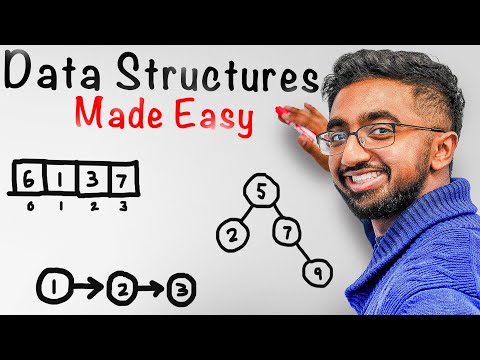
You know that moment when you can’t find your keys, and they end up being in the most ridiculous place? Like, why on earth were they in the fridge? Well, that’s a bit like data structures and algorithms—they help us organize our info so we’re not rummaging through life trying to find what we need.
Imagine diving into Java, a language that’s super popular among coders. It’s powerful but can feel a bit overwhelming at first. But hey, once you get the hang of it, it’s like riding a bike—kinda wobbly at first but then super exhilarating!
Let’s chat about how data structures are like those little boxes we use to keep our stuff organized—arrays are like shoeboxes, linked lists are more of a treasure hunt. And algorithms? They’re the rules we follow to get from point A to B efficiently.
So buckle up! We’re about to explore some cool ways to tackle data structuring in Java and make sense of it all. You’ll be whipping up efficient code before you know it!
Exploring Scientific Approaches to Data Structures and Algorithms in Java: A Comprehensive PDF Guide
Java is like this super friendly language for coding, right? It’s versatile and widely used in everything from big enterprise apps to Android games. And when it comes to building software, understanding **data structures and algorithms** is just, well, essential. Let’s break down these concepts a bit.
First off, what are data structures? You can think of them as special ways to organize and store your data. Picture a box with different compartments. Each compartment can hold a different type of item—like numbers, names, or any sort of data you need for your project. Some common data structures in Java include:
- Arrays: These are like a row of boxes where each box has an index, starting from zero.
- Linked Lists: Imagine a treasure hunt where each clue points you to the next one. Each item links to the next.
- Stacks: Think of stacking plates; you can only take from the top (Last In First Out).
- Queues: Like waiting in line for coffee; first come, first served (First In First Out).
- Dictionaries (HashMaps): These allow you to store key-value pairs for quick lookups—like finding a friend’s phone number!
Now let’s chat about algorithms! An algorithm is just a step-by-step procedure for solving problems or completing tasks. It’s like following a recipe to bake cookies—you know there are specific steps that lead you from raw ingredients to delicious treats! There are tons of algorithms out there that help us manage our data efficiently.
Some examples include:
- Sorting Algorithms: These rearrange items into order—like arranging books by title on your shelf.
- Search Algorithms: These help find specific data among many items—akin to searching for that hidden remote under the couch cushions!
So why does this matter? Well, choosing the right data structure and algorithm can significantly affect how quickly your program runs and how much memory it uses. Seriously! Imagine you’re developing an app that needs to fetch user profiles quickly—it wouldn’t make sense to use something slow if speed is critical.
When programming in Java, both its built-in libraries and frameworks help implement these concepts easily. For instance, Java Collections Framework offers ready-to-use classes for lists (ArrayList), sets (HashSet), and maps (HashMap). So rather than reinventing the wheel each time you need a certain behavior, you just grab what already works!
It’s cool how scientific approaches fit into all this too! Researchers analyze various **data structures** and algorithms through performance metrics: time complexity (how fast) and space complexity (how much memory). They study these metrics against different scenarios to see which options work best under specific conditions.
If you’re getting deeper into this world with something like a comprehensive PDF guide or even an online course or textbook—it could really open up your understanding! They usually cover theoretical concepts along with practical examples… so be sure not to miss out on those sections!
Anyway, have fun coding in Java! It’s really about practice as much as theory. You might hit some bumps along the way but learning how these components work together can be super rewarding—and honestly pretty cool too!
Exploring Scientific Methodologies for Data Structures and Algorithms in Java: A Comprehensive Example
So, let’s chat about something that feels a bit like magic in the tech world: data structures and algorithms in Java. Seriously, when you crack this open, it’s like unlocking a whole new level in a video game. You know? It’s all about how we organize and manage data to make our programs run smoother.
At its core, the scientific methodology for exploring these concepts is pretty structured—think of it like following a recipe. You start with questions, gather information, then test things out. It’s all about refining your approach based on what you learn along the way.
- Define Your Problem: Identify what you want to solve. For example, if you need to sort a list of names, that’s your problem statement!
- Collect Data: Look at various data structures available in Java: arrays, linked lists, trees, and so on. Each has its own strengths!
- Hypothesis: Make an educated guess on which data structure or algorithm might work best for your problem.
- Experiment: Write code! Try implementing different algorithms like quicksort or mergesort with your chosen data structure. See how they perform.
- Analyze Results: Measure factors like speed and memory usage. Maybe quicksort works great for small lists but slows down with larger ones.
- Refine Your Approach: Based on what you find out from testing, tweak your code or even choose a different structure—maybe a hash table would fit better!
This systematic exploration is vital because programming is often about trial and error. One time I was trying to optimize an app I was building—so many moving parts! I thought I had the best sorting algorithm figured out until I realized my choice slowed things down during massive data loads.
The key takeaway here? There isn’t just one perfect solution; it’s all about choosing the right tool for the job based on solid evidence from your experiments. And remember to document everything! It’ll help others—and yourself—understand why you made those choices later on.
This kind of structured thinking doesn’t just apply to Java programming; it’s relevant across most scientific fields too. It teaches us not only how to code but also how to think critically and solve problems effectively.
If you’re diving into this world of data structures and algorithms, embrace the process! Experimentation leads to insight—just like any good scientist would tell you over an afternoon coffee.
Exploring Scientific Methodologies in Data Structures and Algorithms for Java Technical Interviews
So, let’s chat about the scientific methodologies in data structures and algorithms, especially when you’re prepping for those Java technical interviews. This is a pretty big topic, but I’ll break it down into bite-sized pieces.
First off, what are data structures? Think of them as ways to organize and store data. It’s kind of like choosing the right container for your lunch. You wouldn’t put soup in a backpack, would you? You need the right structure to make accessing and manipulating your data efficient. Common examples include:
- Arrays: Like a row of lockers, each one holds an item, and you can access them easily by their index.
- Linked Lists: Picture a chain of people holding hands; each one points to the next. This can be super handy for adding or removing items.
- Trees: Imagine a family tree! They store hierarchical data and allow for fast searching.
Now, let’s move on to algorithms. Simply put, algorithms are step-by-step procedures or formulas to solve problems. Just like following a recipe to bake cookies! You need clear steps to get from raw ingredients (your data) to delicious cookies (the output). In Java interviews, you’ll encounter various types:
- Sorting Algorithms: Techniques like bubble sort or quicksort that help arrange your data in order.
- Searching Algorithms: Methods like binary search that find specific elements quickly.
Next up is the scientific approach itself. It’s all about formulating hypotheses and testing them—just like in an experiment! When solving problems with these methodologies during interviews, think critically about what structure will work best for your problem.
You might want to ask yourself questions like:
– What are the time complexities associated with this structure?
– How will my choice impact memory usage?
Analyzing time complexity, by the way, is crucial. You want your code not only to work but also to be efficient. The big O notation helps with this—it gives you an idea of how well your solution scales.
Here’s a quick example: if you’re using an array to search for an element without sorting it first, you will likely have O(n) complexity because you might have to look through each item one at a time. But if it was sorted first (using something like quicksort), you could use binary search and cut that down significantly!
So yeah, practice makes perfect! Work on coding challenges that require both data structures and algorithms in Java. Websites like LeetCode or HackerRank can be seriously helpful here.
In summary, mastering these methodologies involves understanding both how we structure our data and how we manipulate it efficiently with algorithms—like scouting out the best tools in your toolbox before starting a project!
Keep it simple, stay curious about how different structures work under different scenarios—experimenting leads to better understanding! Happy coding!
You know, when you start digging into Java and the whole world of data structures and algorithms, it’s like opening a door to a vast room filled with cool tools. Seriously, it’s mind-blowing how these concepts can make such a difference in how you solve problems.
So, let’s think about it for a sec. Data structures are basically ways to organize data so you can find or use it efficiently. They’re like the shelves in your closet—if you just pile everything up, good luck finding your favorite sweater! But if you sort them into bins or hang them up nicely, boom! You can grab what you need in no time.
Now, algorithms… well, they’re the step-by-step recipes that tell you how to use those data structures. Imagine following a cooking recipe without knowing where the ingredients are or how they’re organized—that’s going to get messy real fast! In Java, using the right algorithm with the right data structure could save you loads of processing time and memory space. It’s like choosing between boiling pasta or pressure cooking it—both cook pasta, but one does it way faster.
I remember once when I was working on a project that involved sorting a massive list of names for an event. Initially, I tried just throwing everything into an array and sorting it later, thinking that’d be fine. But as the list grew bigger and bigger, my computer started acting like it was trying to wade through molasses! Then I had this light bulb moment: I switched to using a more efficient sorting algorithm with a better structure—like heaps instead of flat arrays—and suddenly everything zipped along smoothly.
That experience really hit home for me: choosing the right tools matters. And in Java especially, you’ve got this powerful set of libraries and frameworks at your disposal that can help make your life easier when grappling with all this data stuff.
It’s always fascinating how science influences programming too. Like, when researchers study how different algorithms perform under various conditions? That research helps shape Java libraries today by making sure we have access to the best options out there.
So yeah, if you’re diving into Java and trying to wrap your head around this stuff—just remember: treat your data wisely and choose methods that match your needs. It’ll save you headaches down the road!