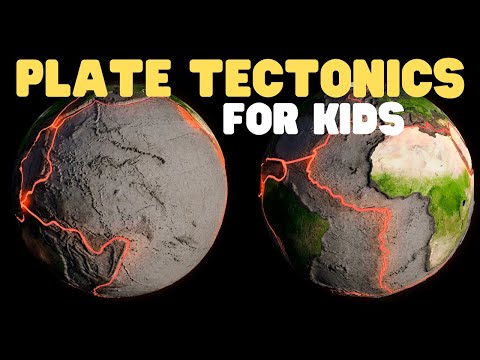
Okay, so picture this: you’re standing on a giant puzzle, right? Each piece is like a massive tectonic plate under your feet. Seems wild, huh?
You might think the ground is just solid and unmovable. But surprise! Those plates are constantly shifting, like that one friend who can’t sit still for too long.
They’ve got a huge role in shaping our planet—mountains, earthquakes, even ocean trenches—it’s all connected to these gigantic pieces of rock. It’s honestly kind of mind-blowing when you think about it!
So let’s chat about these tectonic plates and how they’re like the ultimate shape-shifters of Earth. You ready?
Exploring the Impact of Plate Tectonics on Earth’s Geography and Climate
So, plate tectonics! It’s like the ultimate jigsaw puzzle of our planet, you know? The surface of the Earth is made up of these giant pieces called tectonic plates. They float on top of the semi-fluid mantle underneath. It’s pretty wild when you think about it—like a giant game of bumper cars that lasts millions of years!
Now, let’s talk geography. The movement of these plates shapes continents and oceans. When they collide, pull apart, or slide against each other, all kinds of things happen. **Mountains can rise**, like the Himalayas that formed when the Indian Plate crashed into the Eurasian Plate. Seriously, it’s like nature saying “Let’s build some big rocks!”
And what about valleys? They can form too! Take the Great Rift Valley in Africa as a prime example; it was created by tectonic plates drifting apart. It’s like someone pulled a piece of paper apart until a tear formed in the middle.
Oh, and don’t forget ocean basins! Mid-ocean ridges are some fascinating stuff. Here’s how it works: when two oceanic plates move away from each other, magma comes up to fill that gap and creates new ocean floor. This process helps shape our oceans’ depths and boundaries.
Now onto climate—because this is where things get really interesting! Think about how mountains impact weather patterns. For instance, if moisture-laden winds hit a mountain range, they’ll dump rain on one side but leave the other side dry—this is known as a rain shadow effect. So mountains can literally create deserts on their leeward side!
Also, tectonic activity can influence carbon dioxide levels in the atmosphere over long periods. Volcanic eruptions release CO2 which plays a role in warming our planet or contributing to climate changes over geological time scales. These shifts aren’t your everyday weather changes but seriously impact Earth’s climate system.
In addition to that, consider how plate movement affects ocean currents too! Changes in land distribution alter ocean circulation patterns which are key for regulating global climate systems.
Finally, human activities today also intersect with plate tectonics—like mining or drilling for oil in regions with active tectonic zones which can lead to hazards such as earthquakes or volcanic eruptions when not managed properly.
So really, when you think about plate tectonics and its impact on geography and climate, it’s more than just textbooks and theories—it transforms our world continuously through time! Isn’t that mind-blowing? Nature is constantly at work sculpting our planet even while we’re busy with our day-to-day lives!
The Impact of Tectonic Activity on Earth’s Surface Formation: An In-Depth Scientific Analysis
So, let’s talk about tectonic activity and how it shapes our planet’s surface. You know the Earth isn’t just sitting still? It’s kinda like a giant jigsaw puzzle with pieces that are constantly moving around, called tectonic plates. These plates float on the semi-fluid layer of the mantle below them. And when they bump into each other, pull apart, or slide past one another, crazy things happen!
Tectonic Plates and Their Boundaries
First off, there are three main types of plate boundaries: convergent, divergent, and transform. At convergent boundaries, plates push against each other. Sometimes one plate slides under another in a process called subduction. This is how we get those dramatic mountain ranges like the Himalayas! When India collided with Asia millions of years ago, it literally pushed land upward to create mountains that tower over everything else.
At divergent boundaries, plates move apart from each other. This creates new crust as magma rises up from below the Earth’s surface—a bit like spreading peanut butter on bread! The Mid-Atlantic Ridge is a prime example where you can see this happening. It’s basically creating new ocean floor even as you read this!
And then there are transform boundaries, where plates slide past each other horizontally. The San Andreas Fault in California is famous for this movement. All that sliding can cause some serious shaking—remember those earthquakes? Yep, it’s all because of these shifting plates.
Impact on Earth’s Surface Features
Now let’s get into how all this movement actually affects what we see on Earth’s surface. The thing is, these tectonic forces shape everything—from mountains and valleys to oceans and islands.
–
–
–
The Role of Volcanism
Volcanoes also play a huge role in shaping landscapes thanks to tectonic activity. When tectonic plates shift, they can create pressure that forces magma up through cracks in the crust. Then boom—volcano! A perfect example of this is Mount St. Helens in Washington State. When it erupted in 1980, it dramatically changed not just the mountain itself but also the surrounding landscape.
You can think of these processes like an artist sculpting clay—it takes time and effort but leads to stunning results! In fact, many landforms we take for granted today were shaped by these complex interactions over millions of years.
The Bigger Picture
It’s pretty mind-blowing if you think about it: our entire planet’s surface has been molded by something happening deep below us—you know? And it doesn’t just stop at physical features; tectonic activity also affects ecosystems and human life as well.
Natural disasters like earthquakes and volcanic eruptions remind us that while Earth might seem calm at times, there’s always something bubbling beneath the surface (figuratively speaking!).
So next time you’re standing on a hill or looking out at the ocean, remember: all that beauty comes from an intricate dance between gigantic rock slabs underneath your feet! Earth isn’t just a passive backdrop; it’s an ever-evolving masterpiece sculpted through time by forces far more powerful than we often realize.
Exploring Plate Tectonics: Enhancing Our Understanding of Earth’s Geophysical Processes
You’ve probably felt the ground shake a little and thought, “Whoa, what was that?” Well, you might have been experiencing the effects of plate tectonics. So, let’s chat about what these tectonic plates are and how they shape our planet.
Plate tectonics is basically the scientific theory that describes how the Earth’s outer shell—the lithosphere—is divided into several large and small pieces called tectonic plates. These plates float on a semi-fluid layer below them called the asthenosphere. Think of it like a giant jigsaw puzzle that’s constantly moving, but don’t worry; it’s moving super slow—like a few centimeters a year!
The Earth’s surface is divided into about 15 major tectonic plates. Some of these include the Pacific Plate, North American Plate, Eurasian Plate, and many more. Each one interacts with its neighbors in various ways: they can push against each other, pull apart, or slide past. And this interaction is where things get interesting.
- Convergent boundaries: This is where plates collide. Imagine two cars crashing into each other—if one plate is denser, it can slide beneath the other in a process called subduction. This is often where we get mountains like the Himalayas or deep ocean trenches.
- Divergent boundaries: Here’s where plates move apart from each other. It’s like tearing paper! This happens at mid-ocean ridges and creates new ocean floor as magma rises to fill the gap.
- Transform boundaries: Picture sliding your hands past each other—that’s what happens here! Plates slide laterally along each other. The San Andreas Fault in California is a classic example of this type of boundary.
The fascinating part? These interactions lead to some pretty intense geological activity! Earthquakes are often caused by stress building up at these boundaries until it gets released suddenly—kind of like popping a balloon! Volcanic eruptions can also occur as magma forces its way to the surface due to these movements.
You might be wondering how plate tectonics affects us beyond just earthquakes and volcanoes. Well, they actually play a crucial role in climate patterns too! As continents drift over millennia, they alter ocean currents which ultimately impacts weather systems across our planet.
A while back, I was hiking in the Andes Mountains with some friends. Standing there amidst those towering peaks made me realize how dynamic our Earth truly is! Those mountains were formed by tectonic forces pushing land up over millions of years—seriously mind-blowing stuff!
So really, next time you feel an earthquake or see news about volcanic eruptions, you’ll know it’s all part of this amazing dance of tectonic plates shaping our world beneath our feet—and above it too!
You know, Earth is like a giant jigsaw puzzle, but with pieces that are always on the move. Those pieces are called tectonic plates, and they’re super important in shaping our planet. Imagine living in a world where everything was stuck in place—so boring, right? No mountains to hike, no valleys to explore. The shifting of these plates is what creates all those dramatic landscapes we love.
I remember a road trip I took along the coast a while back. The cliffs were so steep and beautiful, and I couldn’t help but think about how long it took for nature to make these wonders. Like, millions of years! Tectonic plates are constantly colliding or drifting apart beneath us, right? It’s mind-blowing!
When two plates bump into each other, you can get mountains forming or even earthquakes if they’re feeling feisty! Ever seen a volcanic eruption? Those happen too when one plate slips under another—magma rises up and boom! Instant island or mountain formation.
But here’s the kicker: it’s not just about fireworks and drama; these movements affect climate and ecosystems as well. Think about it—if continents weren’t moving around over eons, we’d have totally different weather patterns and wildlife. Some species wouldn’t even exist! Like when India smashed into Asia way back when—hello Himalayas!
It’s just wild how something happening deep underground can affect our daily lives so much. So next time you see a mountain or feel the ground shake (hopefully not too often!), remember that beneath all that beauty—or chaos—are those tectonic plates doing their thing. They’re kinda like nature’s way of keeping things interesting on our ever-changing planet. And honestly? That’s pretty awesome if you ask me.