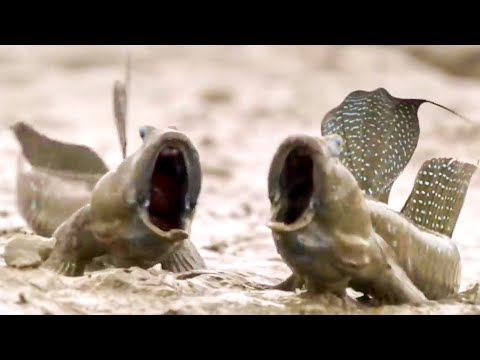
You know what’s super wild? There are more species of beetles on this planet than there are people. Yep, thousands of different kinds! Just makes you think about how crazy diverse life really is, huh?
So let’s chat about ecosystems. They’re like the coolest communities in nature, all hustling and bustling together. Picture a bustling city but with trees, animals, and bacteria going about their daily business.
There’s so much to love about how different plants and creatures fit together. Every ecosystem has its own vibe. Some are buzzing with life, while others are real quiet. But they all play these vital roles in our world.
Want to explore some mind-blowing examples? Buckle up; it’s gonna be a fun ride into the wonders of nature!
Exploring Science: 10 Fascinating Examples of Ecosystems Around the World
- Tropical Rainforests: These lush jungles are like nature’s treasure chests. They cover about 6% of the Earth’s surface but hold over 50% of the world’s biodiversity. The Amazon, for example, is home to millions of species! Walking through it, you can feel your senses explode with colors and sounds. Imagine hearing monkeys chattering while vibrant birds flit overhead.
- Coral Reefs: Often dubbed the “rainforests of the sea,” coral reefs are dynamic underwater ecosystems. They’re built by tiny coral polyps and packed with diverse marine life. The Great Barrier Reef in Australia is a standout—seriously, it’s so big that it can be seen from space! People dive there to see stunning fish and colorful corals, but these ecosystems are super fragile.
- Deserts: Think deserts are just empty sands? Nope! They’re bustling with life in a unique way. The Sahara Desert is known for its extreme conditions yet hosts creatures like fennec foxes that have adapted perfectly to this environment. Can you believe these animals can find moisture in their food? Talk about resourcefulness!
- Grasslands: Also called savannas or prairies, grasslands are the heart of many countries. They support massive herds of grazers like bison or elephants, depending on where you are in the world. In Africa’s Serengeti, you can witness dramatic migrations—like a wildlife movie unfolding right before your eyes.
- Tundra: Picture a cold expanse covered in moss and low shrubs; that’s tundra for you! Found mostly in Arctic regions, this ecosystem has short growing seasons but is surprisingly rich in wildlife. Arctic foxes and migratory birds thrive here during summer months. It’s a tough life but full of resilience!
- Wetlands: These ecosystems are nature’s sponges—they filter water and provide homes for countless species. Think about places like the Everglades where alligators roam freely and birds nest among reeds. Wetlands help prevent flooding too! You know how they say prevention is better than cure? Well, wetlands do exactly that.
- Temperate Forests: These forests have distinct seasons which create a beautiful cycle throughout the year; from vibrant autumn leaves to snowy winters! North America has rich temperate forests where deer may nibble on foliage while squirrels scamper up trees preparing for winter—a picturesque scene!
- Mangroves: Picture trees standing tall at coastlines; that’s mangroves thriving where land meets sea. This ecosystem protects shorelines from storms and provides nurseries for many fish species; it’s pretty much a vital habitat for marine life before they head out into deeper waters.
- Caves: While not immediately thought of as ecosystems, caves host unique organisms adapted to dark environments—think glowworms or bats! Some caves create entire worlds underground filled with speleothems (those cool stalactites and stalagmites). Exploring one feels like stepping into another universe!
- Icelandic Geothermal Areas: This one’s special because it combines volcanic activity with unique flora and fauna around hot springs or geysers! It might sound odd, but some organisms actually thrive here due to high temperatures; imagine life flourishing where most would struggle!
So there you go! Each ecosystem tells its own story about adaptation, survival, and our planet’s incredible diversity. Isn’t nature just amazing?
The Evolution of Scientific Thought: From Darwin to Modern Genetics
When you think about scientific thought, it’s like looking at a giant puzzle, right? Each piece represents a different era, a new idea that has changed the way we see the world. Let’s take a stroll through time and check out how our understanding of science has evolved, especially from Darwin’s groundbreaking theories all the way to modern genetics.
Charles Darwin comes into play in the 19th century with his theory of natural selection. This was a huge game-changer! Before him, most people believed in static life forms created as they were. Darwin argued that species evolve over time through a process where those best suited to their environment survive and reproduce. Imagine you have two different kinds of birds: one with long beaks and another with short beaks. If there’s a lot of nectar deep inside flowers, which bird do you think is gonna thrive? You got it—the one with the long beak!
But Darwin wasn’t alone; he had contemporaries who challenged and critiqued his ideas. Think about Gregor Mendel, who came along in the same era but focused on heredity through his pea plant experiments. His work laid the foundation for what would become modern genetics. It’s like recognizing that while Darwin told us how species adapt, Mendel showed us how traits are passed down from one generation to the next.
The real mind-blowing stuff began in the early 20th century when scientists started blending these ideas together—Darwin’s evolution and Mendel’s genetics came together to form what we now call population genetics. This field looked at how genes change in populations over time and explained variations within species much better.
Now let’s skip ahead to present times. With advancements in technology like DNA sequencing—think of it as reading the instruction manual for life—scientists can explore genetic diversity like never before! We can sequence entire genomes, compare them across species, and understand not only how traits are inherited but also how they mutate or adapt over time.
Merging all these ideas makes biology so rich and complex today. Remember when I mentioned diverse ecosystems earlier? Well, every little change at the genetic level can ultimately lead to massive shifts in ecosystems—like when certain plants develop resistance to pests or diseases.
The journey from Darwin to now illustrates how scientific thought is not just linear but more like a branching tree—with each branch representing new questions answered and new mysteries uncovered! The evolution of thought is ongoing; who knows what amazing discoveries await us tomorrow?
Exploring Natural Ecosystem Examples: Insights into Biodiversity and Ecological Science
Exploring natural ecosystems is like taking a peek into nature’s own little laboratories. Each ecosystem, whether it’s a forest, desert, or ocean, has its own unique vibe and set of rules. They’re all about relationships—between plants, animals, and even the environment itself. And guess what? Every ecosystem contributes to the overall health of our planet.
Let’s break it down a bit. First up, we have **rainforests**. They are like the party central of biodiversity! You find more species here than in any other land ecosystem. Think towering trees that shield vibrant plants and animals underneath—like monkeys swinging from branches and colorful frogs hopping around. Did you know that some rainforests can host up to 1,500 different types of trees in just one square kilometer? Just wild!
Then there’s the **coral reef** ecosystem. It’s kind of like an underwater city bustling with life! Coral reefs protect coastlines from erosion and provide homes for countless species, including fish, sea turtles, and even sharks. Unfortunately, these reefs are super sensitive to changes in temperature and pollution. When they get stressed—like from warming oceans—they can bleach or even die off, which is a huge deal for all the creatures that depend on them.
Moving on to **deserts**, you might think they’re empty wastelands, but they’re actually teeming with life adapted to extreme conditions. You’ve got plants like cacti storing water for months and animals that come out only at night to avoid the heat. Take the kangaroo rat; it hardly ever drinks water but gets hydration from what it eats! Seriously impressive survival skills.
Oh! And how about **grasslands**, which are often overlooked? These areas are crucial for agriculture but also host diverse wildlife like bison and prairie dogs. Grasslands help maintain soil health and prevent erosion by allowing deep-rooted plants to thrive.
Lastly, let’s talk about **wetlands**—the unsung heroes of ecosystems! They filter pollutants from water and provide habitats for birds and amphibians alike. Not only do they support biodiversity but they also help mitigate flooding by absorbing excess rainwater.
So there you have it—a quick tour through some remarkable examples of ecosystems on Earth! Each one plays a role that’s essential not just for its inhabitants but for us too; maintaining biodiversity helps keep everything in balance on our planet.
In summary:
- Rainforests host an incredible variety of life.
- Coral reefs are vital marine habitats.
- Deserts showcase resilience with unique adaptations.
- Grasslands support agriculture while fostering biodiversity.
- Wetlands act as crucial water filters.
Nature’s pretty clever at coming up with solutions over millions of years! If we pay attention to these ecosystems now, we can learn so much about preserving our planet’s health for future generations.
Okay, so let’s chat about diverse ecosystems. You know, those amazing places where tons of different plants and animals live together? It’s like nature threw a huge party, and everyone showed up. Seriously, if you think about it for a second, each of these ecosystems is like a little world unto itself.
Take coral reefs, for instance. They might just look like pretty underwater gardens, but they are bustling with life! Fish here are vibrant and colorful—like nature’s confetti. I remember snorkeling in the Caribbean once; I was completely mesmerized by how many species were swarming around me. It felt like I had stumbled into one of those animated movies where sea creatures chatter away, living their best lives.
Then you have rainforests. Wow! These places are basically the superheroes of the ecosystem world. Places like the Amazon are packed with life—millions of species thrive there, from tiny bugs to towering trees that reach for the sky. One time I read about how one tree can be home to countless creatures—like birds nesting in its branches while monkeys swing through them. It’s kind of mind-blowing when you realize these interactions create such a complex web of life.
And let’s not forget out deserts! They may seem empty at first glance but trust me; they’re filled with surprises. Cacti store water for those dry spells, and nighttime brings forth an array of nocturnal critters awakening to hunt or forage. It shows resilience in such harsh conditions that honestly inspires me.
But really, what all this boils down to is connection—and not just between species but also between us and nature itself. Ecosystems remind us how every creature plays a part in this intricate dance called life. Protecting these diverse habitats is crucial because losing even one piece can change everything.
So next time you find yourself outside or visiting a new place—even your backyard—take a moment to appreciate the little things around you! Because ecosystems? They’re not just remarkable; they’re essential too!