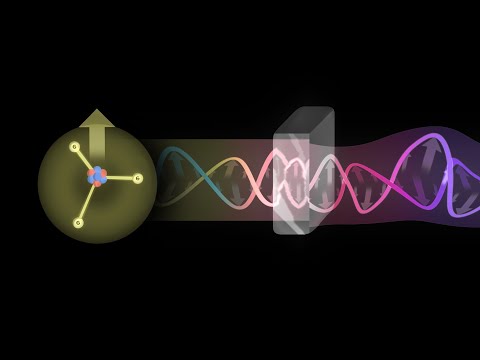
You know that feeling when your phone buzzes, and you just can’t resist checking it? That little magic trick is all thanks to electromagnetic waves. Crazy, right?
So, here’s a fun fact: without electromagnetic theory, we’d probably be stuck using carrier pigeons instead of texting our friends. I mean, who wants to wait for a feathered messenger anyway?
But seriously, this stuff shapes our lives in ways we often don’t notice. It’s not just about phones or Wi-Fi; it’s in everything from the microwave heating up your leftovers to the GPS guiding you home.
Let’s chat about how this all works and why it matters so much. You might find yourself seeing the world a bit differently—like discovering there’s more to magic than meets the eye.
The Crucial Role of Electromagnetic Waves in Modern Science and Daily Life
So, let’s talk about electromagnetic waves. They’re, like, everywhere around us. Seriously! You might not see them, but they’re playing a huge role in modern science and also in our daily lives. It’s pretty wild when you think about it.
Electromagnetic waves are basically energy that travels through space. These waves can take various forms—like radio waves, microwaves, infrared radiation, visible light, ultraviolet rays, X-rays, and gamma rays. Each type has its own unique wavelength and frequency. It’s kind of like a big family where everyone is related but has their own personality.
Communication is one major aspect where electromagnetic waves shine. Think about your smartphone or Wi-Fi connection. Those little signals flying through the air are actually electromagnetic waves! Radio waves carry music from antennas to your radio; microwaves help heat your food quickly. In fact, the next time you’re warming up leftovers in the microwave, just know those waves are doing all the heavy lifting!
Then there’s medical imaging. Ever heard of X-rays? They use high-frequency electromagnetic waves to capture images of what’s happening inside our bodies without needing surgery or anything too invasive! I remember when my friend broke her arm during a skateboarding mishap. She was nervous about getting an X-ray, but it was super quick and painless! Thanks to those sneaky little waves.
Also worth noting is how light plays into our everyday lives—literally! Visible light is just a tiny part of the electromagnetic spectrum. This light helps us see colors and shapes around us. Isn’t it cool that what we perceive as colors is just different wavelengths being interpreted by our eyes?
Now let’s get into science. Electromagnetic theory paved the way for numerous scientific advancements. Take GPS technology for instance; it relies on signals emitted from satellites using microwaves to determine your exact location on Earth. So when you’re navigating through traffic or looking for that hidden coffee shop around the corner, remember that it’s all thanks to some clever use of electromagnetic waves!
We can’t forget about solar energy, either! The sun emits a ton of electromagnetic radiation—hello solar panels! These panels convert sunlight into electricity using photovoltaic cells that harness this energy efficiently.
In closing (well not really ‘closing’ but you know what I mean), I’d say understanding electromagnetic waves gives us insight into not just scientific theories but also practical applications in everyday life. From entertainment to health care and beyond, these invisible forces have become essential to how we interact with the world around us.
So next time you flick on a light switch or send a text message from your phone, take a moment to appreciate those amazing electromagnetic waves working tirelessly behind the scenes!
Exploring the Impact of Electromagnetism on Modern Technology and Its Scientific Applications
Alright, let’s chat about electromagnetism, shall we? It’s this super cool branch of physics that deals with electrical and magnetic fields and how they interact. You might not think about it much, but electromagnetism is behind a ton of the technology we use today. Seriously.
So, here’s the deal: everything from your phone to your microwave works on principles of electromagnetism. When you charge your phone, it’s all about the electric fields moving those tiny electrons around. And when you listen to music on a speaker? Yep, that’s electromagnetic waves vibrating through the air to reach your ears!
Now let’s break down some key areas where electromagnetic theory plays a huge role:
- Computers and Communication: Your Wi-Fi? It runs on electromagnetic waves! They travel through the air at lighting speed, allowing us to connect with others instantly. Think about how amazing that is!
- Medical Imaging: Ever heard of MRIs? They use strong magnetic fields along with radio waves to create images of the inside of your body. It’s like looking inside yourself without needing any surgery—how wild is that?
- Transportation: Trains that float above tracks using magnets? That’s called magnetic levitation (or maglev). They’re faster and smoother than traditional trains because there’s less friction.
- Power Generation: Electromagnetic induction is what makes generators work. When you spin a coil in a magnetic field, it produces electricity! This principle powers everything from wind turbines to hydroelectric dams.
The impact of electromagnetism doesn’t stop there. Think about how we use sensors. From touchscreens to motion detectors in security systems, these devices rely on electromagnetic properties. When you touch a screen, it sends data through electrical signals—voila, instant response!
You know what really gets me? The sheer scale and potential of electromagnetism! I once saw an old-school science demo where they used coils and magnets to create lightning-like sparks—it was seriously mesmerizing! That little display reminded me just how powerful these forces really are.
The thing is, as technology evolves—like with things such as quantum computing or advanced telecommunications—we’re just beginning to scratch the surface of what electromagnetism can do for us. There are always more applications waiting around the corner.
In summary, electromagnetism shapes our world in countless ways. It keeps us connected, helps doctors diagnose health issues without fussing over invasive procedures, and even makes our travels faster! So next time you flick a switch or send a text message, just think about all those invisible forces working hard behind the scenes!
Exploring the Enduring Relevance of Electromagnetic Theory in Modern Science
So, electromagnetic theory. You might think it’s just a bunch of fancy equations and charts, but it’s way more than that! It’s like the backbone of a lot of cool stuff happening in modern science and technology. Let’s dig into why it still matters today.
First off, what is electromagnetic theory? Well, think of it as the study of electric and magnetic fields and how they interact with each other. It all started back in the 19th century with legends like James Clerk Maxwell. He brought together electricity, magnetism, and light into one theoretical framework. Imagine grasping the connection between lightning strikes, magnets on your fridge, and the light from your phone—pretty wild, huh?
One major reason this theory is still relevant today is that it forms the basis for numerous technologies we use every day. For example:
- Telecommunications: Your smartphone relies on electromagnetic waves to send and receive signals. Without this theory, texting your friend would be impossible!
- Electricity: Power generation and distribution systems are fundamentally based on electromagnetic principles.
- Medical imaging: Techniques like MRI utilize strong magnetic fields to create detailed images of our insides.
When I was a kid, I remember being fascinated by how my radio could pick up signals from far away just by turning a knob. That magic is all about electromagnetic waves traveling through space!
The role of electromagnetism in modern physics can’t be understated either. It plays a big part in understanding quantum mechanics too! The behavior of tiny particles often involves their electromagnetic properties. When scientists probe the tiniest aspects of matter—like electrons—they’re diving deep into electromagnetism.
And here’s another interesting tidbit: electromagnetic theory helps scientists explore new technologies, too! Think about laser technology—those beams are grounded in principles from this very field. Whether for cutting materials or even laser surgery, these applications show how foundational the theory is.
Let’s not forget about space exploration as well! Electromagnetism helps scientists understand magnetic fields surrounding planets and stars. You know that Northern Lights phenomenon? It’s caused by charged particles interacting with Earth’s magnetic fields—straight-up electromagnetic action!
In short, whether you’re scrolling through social media or watching your favorite show on Netflix, you’re riding the wave (literally) of electromagnetic theory’s influence on everyday life. It’s existed for over a century now and continues to shape our understanding and interaction with the universe.
So next time you’re at home with your gadgets or gazing at the stars above you, remember—the magic behind it all has its roots grounded in that incredible interplay between electricity and magnetism that keeps on giving! See? Electromagnetic theory isn’t just old news; it’s ongoing science shaping our lives like few other things can!
You know, when you think about it, electromagnetic theory is like the unsung hero of modern science. It’s not just a bunch of complicated equations; it’s the reason we can enjoy things like Wi-Fi, our favorite radio stations, and even the lightbulb that brightens up our homes after sunset. Imagine being in a world without those conveniences—you’d be left fumbling around in the dark, relying on candles and maybe shouting to get someone’s attention!
So, what is electromagnetic theory? Well, at its core, it’s all about understanding how electric and magnetic fields interact. You have these charged particles that create electric fields and currents that generate magnetic fields—it’s kind of like they’re having a never-ending dance party where they’re pulling each other closer and then pushing apart! The famous Maxwell’s equations are what really tie this dance together; they describe how these fields work.
I remember this one time in school when a teacher placed a magnet under a piece of paper and sprinkled some iron filings on top. The way they aligned along the magnetic field lines was so mesmerizing! It’s amazing how something invisible can shape the physical world around us—I still get goosebumps thinking about it.
Anyway, back to modern science. Electromagnetic theory lays down the foundation for tons of technologies. Think about smartphones—they rely on electromagnetic waves to send information back and forth. Without this theory, we wouldn’t have most electronic devices we take for granted! And if you look into medical technology, like MRI machines? Yep, they use principles from electromagnetism to create detailed images of our bodies!
But here’s where it gets pretty cool: studying electromagnetic phenomena is not just useful for techies or scientists; it deeply influences other branches too. Chemistry, for instance! Understanding how electrons move helps explain chemical reactions—and that’s pretty vital if you think about everything from medicine to cooking.
So yeah, electromagnetic theory might seem dry or overly technical at times. But take a step back and think about its impact—it really shapes our everyday lives in ways we often overlook. Whenever you flick a switch or stream your favorite show online, remember that behind all that convenience lies an intricate world of electric and magnetic forces working tirelessly together. It’s kind of poetic when you think about it!