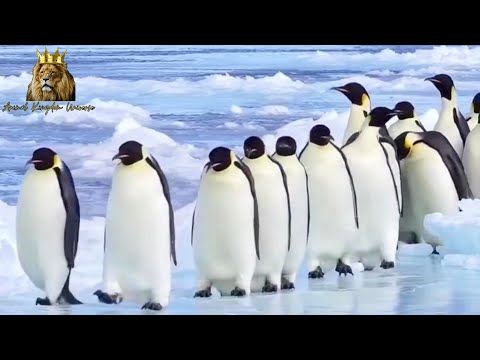
So, let me tell you about these incredible little soldiers of the south—the Emperor penguins. Seriously, did you know that these guys can actually survive in some of the coldest temperatures on Earth? Like, I’m talking about minus 60 degrees Celsius, and they’re just waddling around like it’s a nice day out!
Imagine this: it’s a freezing winter night in Antarctica. You’re bundled up like a burrito, shivering and wishing for hot chocolate. And there they are, huddling together, keeping each other warm. That’s teamwork at its finest!
But it’s not just about staying cozy; their behavior is fascinating. From how they stroll across ice to their incredible parenting skills, it’s like a natural reality show out there. You’ll be amazed at how these birds cope with harsh climates and protect their little fluff balls.
So, grab your imaginary parka, because we’re diving into the cool world of Emperor penguins!
Adaptations of Emperor Penguins: Surviving Extreme Weather Conditions in the Antarctic
Alright, let’s talk about those amazing Emperor Penguins and how they deal with the crazy weather in Antarctica. Seriously, it’s like a natural survival show out there! These birds are truly incredible; they’ve got some wild adaptations to handle the bone-chilling cold and fierce winds.
First off, let’s mention their body structure. Emperor Penguins are the biggest of all penguin species, and that size isn’t just for show. Their large bodies help them retain heat. It’s kind of like wearing a really warm coat! They also have a thick layer of fat under their skin, which not only keeps them warm but also provides energy when food is scarce.
Their feathers are something else too. Each penguin has tightly packed feathers that are waterproof, so when they dive into freezing waters to catch fish, they don’t get soaked and freeze up. It’s like having a fancy raincoat that keeps you dry even while swimming! And trust me, staying dry is a big deal down there.
Now, let’s talk about their behavioral patterns. These penguins huddle together in groups during the harshest weather. Imagine being in a cozy circle with hundreds of your buddies! By doing this, they share body heat and protect each other from those icy winds. It’s teamwork at its finest—like one giant cuddly ball of feathers!
You might be wondering how they cope during breeding season when temperatures drop even lower. Well, female emperors lay their eggs in the middle of winter! So what happens? The males take turns brooding the eggs while standing on their feet under a flap of skin called a “brood pouch.” They can go without food for weeks during this time just to keep those eggs warm. That takes some serious dedication!
A little anecdote for you: researchers once observed a group of Emperor Penguins actually shifting positions within the huddle every few minutes or so. It was like watching an organized dance! This shifting ensures that no one gets left out in the cold for too long.
Diet-wise, these penguins are pretty resourceful too. They primarily feed on fish and krill found in icy waters beneath the icebergs. Being able to dive deep lets them access food sources that other birds can’t reach as easily.
In summary, Emperor Penguins have honed their survival skills through an impressive mix of physical traits and clever behaviors—like teamwork and extreme parental care—that enable them to thrive in one of Earth’s toughest environments. Next time you think about how rough winter can be, remember those brave little guys out there waddling around in Antarctica!
Adaptations of Penguins to Survive Extreme Environmental Conditions: A Scientific Exploration
Penguins are like little heroes of the frozen world, don’t you think? Especially the Emperor Penguins, which are known for their incredible adaptations that let them thrive in some of the harshest climates on Earth. Let’s check out how they pull it off!
First off, these guys have some serious body heat management. Emperor Penguins can withstand temperatures as low as -60 degrees Celsius! Can you imagine? They have thick layers of blubber—about 8-12 centimeters—that keep them warm. Plus, their feathers are super dense and waterproof, which helps trap body heat and keep out icy water.
Now, here’s where it gets interesting. Social behavior plays a huge role in their survival. During the brutal Antarctic winters, when winds howl and temperatures plummet, Emperor Penguins huddle together in large groups. This huddling helps create a shared warmth that can raise the temperature inside the mass by several degrees. It’s kind of like a giant penguin cuddle party! Seriously, though, these behaviors are crucial for maintaining body temperature over long periods.
- Mating Rituals: They don’t just huddle for warmth; they also have unique mating rituals to ensure species survival. Males can fast for months while incubating eggs!
- Feeding Techniques: When it comes to food, Emperor Penguins dive deep—sometimes over 500 meters—to catch fish and krill! Their bodies are built for endurance; they can hold their breath for up to 20 minutes while diving.
- Navigational Skills: These penguins have remarkable navigational skills! They use both the Earth’s magnetic field and visual cues from their environment to find food during long trips.
This adaptability isn’t just about physical traits; it’s also about behavioral patterns. For example, during extreme weather events or storms, they’ll protect each other by rotating positions within the huddle so that every penguin gets a chance to be on the warmer inside while others face the cold winds.
You know what else is pretty cool? Their breeding cycle syncs with seasonal changes. That timing means that when chicks hatch in late winter or early spring—the harshest times—they’re prepared with everything they need right from day one.
The connection between these adaptations is profound: they showcase not just how species evolve but also how life finds ways to endure even in ferocious environments. It reminds me of those moments when you’re stuck outside in winter without a jacket—every ounce of warmth counts!
So yeah, next time you see a picture of an Emperor Penguin standing proud against an icy backdrop, remember all that’s going on beneath its tuxedo-like exterior: resilience is built into their very being! And that’s a testament to nature’s creativity in adapting life to meet even the harshest environments.
Exploring the Biology and Ecology of King Penguins: Insights into Their Adaptations and Conservation
So, you’ve got king penguins on your mind, huh? These charming little birds are more than just cute waddlers; they’re fascinating when it comes to their biology and ecology. Let’s have a closer look at these amazing creatures and see how they adapt to their environment and what it means for their conservation.
First off, king penguins are the second largest penguin species after the emperor penguins. They can stand about 3 feet tall! Isn’t that awesome? You’d think with all that height they’d have a bit of a swagger. But here’s the thing: living in harsh climates like the sub-Antarctic islands means they need some serious adaptations to survive.
One cool adaptation is their thermoregulation. Basically, this is how they keep warm. King penguins have a thick layer of blubber and dense feathers that help trap heat. Plus, these feathers are super waterproof—essential since they spend so much time in icy water while hunting for fish! And not just any fish; they typically feed on small fish, squid, and krill. Talk about a balanced diet!
Now, let’s chat about their breeding habits. King penguins have a unique reproductive cycle compared to other birds. They breed once every two years, and their courtship involves some serious vocal talent! Males will do this loud call to attract females—it’s like nature’s version of karaoke night! And once they pair up, they share the responsibility of incubating their eggs for about 55 days. This teamwork is crucial because it allows them to take turns hunting for food while ensuring the egg stays warm.
You might find it interesting that breeding sites also play an essential role in their ecology. These locations are often on rocky beaches away from predators. It’s smart because less risk means more chances of raising healthy chicks! Speaking of which, once the chick hatches, parents go on hunting expeditions together while leaving it in a crèche with other chicks—kind of like daycare vibes but way cuter!
Now onto conservation efforts. King penguins face challenges due to climate change and human activity. Warming temperatures can affect sea ice formation and fish populations—meaning less food for them. Moreover, pollution can impact their habitat as well as their health.
Conservationists are working hard to track king penguin populations using satellite technology and studying how changes in climate affect them. This helps us understand where these birds thrive best and what we need to do ensure they’re around for future generations.
In summary, king penguins are not just another pretty face in the animal kingdom; they’re survivors with amazing adaptations that keep them thriving in tough conditions. From teamwork during breeding season to battling climate challenges together with scientists’ help, they’ve got quite a story worth telling—and protecting!
Emperor penguins are seriously fascinating creatures. You know, they live in some of the harshest conditions you can imagine—like, Antarctica-level cold. I remember reading about a documentary that followed these little guys through their breeding season. It was incredible to see how they manage to thrive despite the freezing temperatures and constant winds.
So, one of the most interesting things about emperor penguins is their social behavior. They huddle together to stay warm. Picture a massive crowd of them squished together, kind of like a cozy penguin pile! This behavior is crucial because it helps them withstand the bitter cold, which can drop to below -50 degrees Celsius (-58 degrees Fahrenheit). Can you even fathom that?
And it’s not just about keeping warm; there’s also a lot of teamwork involved. During breeding season, males will take turns brooding over their single egg while the females head out foraging for food. I mean, can you imagine standing still for weeks in freezing weather just so your partner can go get some dinner? That’s dedication right there!
What strikes me most is how they communicate with each other in these massive colonies. With all that noise—like thousands of squawking and honking penguins—it could be chaotic. But somehow, each pair recognizes their mate’s unique call amidst all that chaos. It’s like they have their own special language! Honestly, it’s heartwarming to think about how such a tough creature has such strong emotional bonds.
But it’s not all huddling and honking; these penguins also face significant challenges due to climate change. Their ice habitats are melting faster than ever, which messes up where they breed and find food. That makes me feel a bit sad thinking about how such amazing behaviors might be threatened by something so big and overwhelming.
In the end, watching emperor penguins adapt and collaborate amidst such adversity reminds me of resilience in nature—and even in ourselves sometimes! You realize that even when conditions are harsh and seemingly unmanageable, life finds a way to keep going on. It’s pretty inspiring when you think about it!