You know what’s wild? Tundras are basically the planet’s freezer! Seriously, these places can be colder than your ex’s heart.
Imagine a landscape that looks super barren and quiet, like someone hit the mute button on life. But hold on, because beneath that icy veneer, there’s a crazy amount of resilience happening.
These ecosystems may seem tough as nails, but they’re teeming with life in some pretty unexpected ways. From funky plants that manage to bloom despite the chill to animals flaunting fur coats thicker than your grandma’s love for knitting—there’s so much going on!
So grab a warm drink (or a blanket if you’re feeling extra cozy), and let’s dive into this frosty world where resilience rules!
Adaptations of Tundra Animals: Surviving Extreme Cold and Harsh Conditions in Polar Ecosystems
When you think about the tundra, what comes to mind? It’s an exciting yet tough place, right? With its freezing temperatures and harsh winds, it’s not exactly a vacation spot. But some amazing creatures call this icy environment home, and they’ve got some seriously cool adaptations that help them survive.
First off, let’s talk about body insulation. Animals in the tundra have really thick fur or blubber. Take the caribou, for instance. They grow a double coat during winter. The outer layer is like a windbreaker, while the underlayer traps heat close to their bodies. It’s like having your own portable heating system! And don’t forget about the polar bear, which has a layer of fat that can be up to four inches thick. This helps keep them warm while they hunt seals on ice.
Another crucial adaptation is camouflage. Tundra animals often change colors with the seasons. The arctic fox, for example, is brown in summer to blend with rocks and earth but turns completely white in winter to hide in snow. This helps them sneak up on prey or avoid being spotted by predators—super clever!
The food situation in the tundra can be pretty sketchy, too. That’s why many animals are opportunistic eaters. They eat whatever they can find! For example, lemmings munch on grasses and mosses during warmer months but store food for winter when it’s scarce. Some animals even feast on carrion if it comes down to that.
Migration is another fascinating survival strategy in this ecosystem. Not all animals hibernate; some migrate long distances to find food or better conditions. The magnificent wildebeest, although not exclusively a tundra creature, showcase this behavior by traveling across vast landscapes for greener pastures when their current ones become inhospitable.
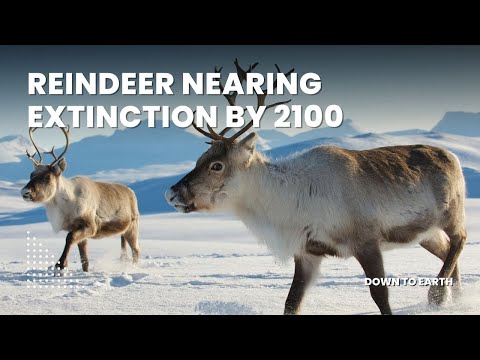
The harsh weather also means that these animals have great adaptations for dealing with cold temperatures and icy winds. You’d think it would be pure misery out there, but creatures like the svalbard reindeer have evolved wide hooves that prevent them from sinking into deep snow while searching for food beneath.
Senses, too, play an important role in survival! Many tundra animals have enhanced senses of smell and hearing that help them detect predators from far away or locate food hidden under layers of snow. It’s like having built-in radar systems!
This resilience isn’t just fascinating; it shows how life can adapt even in extreme conditions! A lot of people feel inspired by these incredible adaptations—like my friend who went on a trip to see polar bears up close. Seeing these majestic creatures thriving squeezed between icebergs was unforgettable! It really hit home how everything fits together in nature.
The tundra may seem like an inhospitable world at first glance; however, each animal has its unique survival story woven into this harsh ecosystem’s fabric. From insulation strategies to migration patterns and keen senses—these adaptations remind us how versatile life can be even when faced with challenges.
Exploring the Tundra: Understanding the Challenges of Life in Harsh Environments
The tundra is one of the most fascinating and challenging ecosystems on our planet. You probably think of it as a cold, barren landscape, but there’s so much more to it than just snow and ice. Let’s break down what makes the tundra unique, and how life manages to thrive in such harsh environments.
What is Tundra?
Tundra typically refers to areas where the temperature is super low, especially in winter. It’s mainly found in the Arctic regions and at high mountain tops. Picture a landscape with permafrost—this is a layer of permanently frozen ground beneath the surface. This frozen layer creates some serious challenges for plants and animals.
Life in Cold Conditions
Now, you might wonder how anything can live here. Well, organisms have adapted in some incredible ways! For instance:
- Plants: Most vegetation is small—think mosses, lichens, and small shrubs. These plants are low to the ground which helps them withstand strong winds.
- Animals: Creatures like polar bears and arctic foxes have thick fur or blubber to keep warm. They’re kinda like natural puffer jackets!
- Migratory Birds: Many bird species migrate to avoid the extreme cold but return during the short summer months to nest.
Let me tell you about this time I read about a little arctic hare that can literally change its fur color from brown to white as seasons change. Such cool adaptations help them stay safe from predators!
The Short Growing Season
One wild thing about tundras? The growing season can be super short—often just a couple of months! During this time, temperatures rise enough for plants to grow and reproduce before winter hits again. So imagine spring bursting forth for just a brief moment—it’s like nature’s fireworks show!
The Role of Permafrost
Permafrost plays a fascinating role too! It holds water but doesn’t allow it to drain properly. When summer comes around, what happens is that this creates soggy ground where life runs rampant—bugs buzzing around, birds chirping—it’s quite an explosion of life despite how cold it gets later!
Climate Change Impact
However, here’s where things get serious: climate change is making things tough for these ecosystems. The thawing permafrost affects everything from plant growth to animal migrations. As temperatures rise, habitats are disrupted which could lead many species into trouble.
I once came across an article discussing how reindeer herding communities are feeling the effects too; traditional migration patterns change as lichen—their food source—becomes less reliable.
The Resilience Factor
It’s impressive how resilient life can be in these conditions—even if they face tough odds! Organisms have evolved over thousands of years to adapt really well despite the odds stacked against them.
So yeah, exploring tundras gives us insight not only into survival but also into how precious our planet’s ecosystems truly are. Understanding these places helps us appreciate the delicate balance needed for all forms of life within them—and reminds us why we should care about protecting these amazing environments!
Assessing Tundra Resilience: Evaluating Environmental Damage Resistance in Arctic Ecosystems
Tundra ecosystems are some of the most extreme environments on Earth. They cover vast areas of the Arctic and are characterized by low temperatures, short growing seasons, and very little precipitation. Sounds tough, right? Well, these ecosystems have adapted remarkably to such harsh conditions. But here’s the thing: they’re also vulnerable to environmental damage.
When we talk about resilience, we’re looking at how well these ecosystems can recover from disturbances, like climate change or human activities. Basically, can they bounce back? To assess this resilience, scientists often consider several factors:
- Biodiversity: This includes the variety of plants and animals in the tundra. More species mean a better chance for an ecosystem to adapt to changes. Think of it like a team; more players with different skills can tackle challenges better.
- Soil Composition: The soil in tundras is often permafrost—frozen ground that affects drainage and nutrient availability. When permafrost thaws due to warming temperatures, it releases carbon dioxide and methane, which can worsen climate change.
- Plant Resistance: Some plants have deep roots or thick leaves that help them survive harsh conditions. For example, mosses and lichens are super resilient! They can tolerate freezing temperatures and stay dormant until conditions improve.
- Animal Adaptations: Animals living in tundras have developed unique traits too! Like polar bears with their thick fur coats for insulation or arctic foxes that change color with the seasons for camouflage.
So why does all this matter? Because recognizing how these ecosystems withstand pressure helps us understand how they might respond to future challenges. For instance, if an area suffers from oil spills or increased human activity, seeing how quickly life bounces back could guide conservation efforts.
I remember reading about a study where researchers looked at a specific site in Alaska affected by oil drilling decades ago. Surprisingly, some plant species were able to recover quite well despite the initial devastation! It just goes to show you that nature has some incredible tricks up its sleeve.
However, it’s not all sunshine and rainbows. Some regions aren’t bouncing back as expected due to ongoing threats like pollution or climate shifts driving species out faster than they can adapt. It’s like being on a see-saw—once one side gets too heavy, things get out of balance.
In essence, assessing tundra resilience isn’t just about understanding how these ecosystems work today but also predicting what might happen tomorrow based on our actions today. Keeping an eye on our environmental footprint is crucial if we want these stunning landscapes—and their inhabitants—to thrive for generations to come!
Tundra ecosystems are pretty stunning when you think about it. They’re these vast, chilly expanses that seem so barren and inhospitable. I mean, what could possibly thrive in a place where it’s cold most of the year, right? But somehow, life finds a way. Seriously, it’s like nature’s version of playing tricks on us.
I remember this one time, during a summer trek in Alaska. As we hiked through what looked like endless white and brown terrain, I thought we’d see nothing but desolation. Yet, there were little bursts of color everywhere—bright yellow flowers and tiny green mosses peeking out from under the snow as if they were waving hello after a long winter nap. That’s when I realized just how resilient life can be.
What makes tundra ecosystems fascinating is their ability to adapt to extreme conditions. The ground is often frozen solid—it’s called permafrost—but despite that, plants like Arctic poppies and mosses have cracked the code to survive. They grow super low to the ground and can withstand chilly winds that would send most other plants into hiding! And then there are animals like caribou and arctic foxes that have their own cool tricks up their sleeves (or fur!). They’ve evolved amazing ways to cope with the cold, like thick fur coats or incredible migration patterns.
But here’s the kicker: all this resilience doesn’t mean they’re invincible. These ecosystems are super sensitive to changes in temperature and human activity—including climate change—that could tip the balance and disrupt that delicate web of life. Imagine being perfectly adapted to a harsh environment only to find it shifting beneath your feet; it’s kind of heartbreaking when you think about it.
So yeah, tundras may seem stark at first glance, but they’re full of surprises if you look closely. Each time I think back on my Alaskan adventure—and those tiny flowers fighting against all odds—I’m reminded just how tough nature can be. It makes me appreciate not just these ecosystems but also our role in preserving them for future generations. What do you think? It’s wild how interconnected everything is!