So, you know how everyone’s always saying, “Don’t put your personal info online”? Well, it’s not just about dodging weird ads for stuff you googled once. It’s a bit deeper, especially when it comes to scientific data.
Imagine a scientist working late at night, coffee in hand, pouring over sensitive research. One wrong click and—bam!—all that hard work could end up in the wrong hands. Yikes! That’s where something called envelope encryption swoops in like a superhero.
It sounds fancy, but don’t sweat it. Basically, envelope encryption wraps your data up tight in layers of security, kinda like a burrito for your info. You’ve got the juicy filling inside (the actual data) and then that strong tortilla (the encryption).
Pretty neat, huh? So let’s chat about how this all works and why it matters so much in keeping our scientific secrets safe and sound!
Enhancing Scientific Data Security: A Comprehensive Example of Envelope Encryption Practices
When we talk about scientific data security, one method that stands out is envelope encryption. It’s like putting your precious documents into a strong box, then locking that box inside another safe. This way, even if someone breaks into the first box, they can’t get to the good stuff inside!
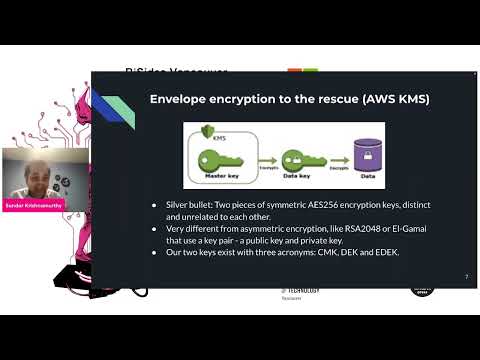
So how does this work? Basically, you use two encryption keys: a data encryption key (DEK) and a key encryption key (KEK). First off, the DEK encrypts your actual data. This means the files containing research results or sensitive patient information are scrambled up so only someone with the right key can read them. Then, you take that DEK and encrypt it using a KEK. Now you’ve created what’s called an “envelope” around your DEK!
Now let’s break it down like this:
This dual-layer approach is super important because it adds an extra level of security. Even if a hacker manages to access your encrypted files and grab the DEK, they still need that KEK to make sense of it. It’s like having two keys for two different locks—one isn’t going to do you much good without the other.
And here’s where things get really interesting: key management. It’s not just about having these keys; you need a solid plan for storing and handling them securely. If the KEK is exposed or poorly managed, your whole system could be at risk. That’s why organizations often use dedicated hardware security modules (HSMs) or key management services in the cloud to keep their KEKs safe from prying eyes.
Now let me throw in a little emotional touch here—imagine being a researcher who just spent years collecting data for a groundbreaking study on climate change. You finally submit your findings only to find out later that cybercriminals nabbed your database because it wasn’t properly protected! Frustrating doesn’t even begin to cover it. So many hours lost because of something avoidable.
By adopting envelope encryption practices, researchers can rest easier knowing they’ve layered their defenses against data breaches. It’s like having both locks on that valuable box of research—more than just peace of mind; it’s critical for accountability and trust in scientific fields.
In summary, remember:
So yeah, safeguarding scientific data isn’t just about protecting numbers and letters. It’s about protecting ideas and discoveries that can change lives!
Secure Data Protection in Scientific Research: Implementing Envelope Encryption with AWS
Secure data protection in scientific research is super crucial, especially when it comes to handling sensitive information. You know, stuff like personal data from studies or proprietary findings that could change the world. One popular way to safeguard this information is through a neat trick called envelope encryption. So, how does this work? Let’s break it down.
First off, envelope encryption is kind of like a double layer of wrapping for your data. You take your original data and encrypt it with a data encryption key (DEK). Then, you encrypt that DEK using a stronger key, known as a key encryption key (KEK). The idea here is that if someone gets their hands on the encrypted data, they still can’t access the DEK without also having the KEK. It’s like trying to open a safe without the combination!
Now, why is AWS involved? Well, Amazon Web Services has these powerful tools that can help scientists implement envelope encryption in a smooth way. When you use AWS’s services, you’re not only getting a solid platform for your research but also built-in security features.
So here’s what typically happens when you want to set up envelope encryption with AWS:
- Generate Keys: First thing’s first: you generate both your DEK and KEK. AWS Key Management Service (KMS) can really help here since it allows you to create and manage keys easily.
- Encrypt Data: After generating your DEK, use it to encrypt your sensitive data. This way, even if someone accesses the storage where your data sits, they won’t be able to read it.
- Encrypt the DEK: Now comes the important part! Encrypt the DEK using AWS KMS with your KEK. This adds another safety layer since accessing just the encrypted file won’t give anyone access to the keys needed to decrypt it.
- Store Everything Securely: Finally, store both your encrypted data and encrypted DEK securely in an S3 bucket or wherever suits you best! This keeps everything organized.
You might be thinking that sounds pretty technical—right? But it’s actually quite simple once you’ve wrapped your head around these concepts.
Let me share an example to illustrate its importance. Imagine you’re researching a new medical treatment based on genetic information from patients. If that sensitive info got leaked or fell into the wrong hands… well, that’s terrifying! By using envelope encryption with something like AWS KMS, you’re taking serious precautions against any unauthorized access.
This practice not only protects individual privacy but also maintains public trust in scientific research as a whole. And let’s face it: trust matters when dealing with health-related studies!
In short, adopting envelope encryption in scientific research via platforms like AWS isn’t just smart; it’s necessary in today’s digital age where protecting data is more important than ever before! You follow me? It might take some initial setup and understanding of how things work together but when done right—you’re securing not just numbers but real people’s lives and hard-earned knowledge.Create an talk about steps involved will help researchers sleep better at night knowing their critical data is well protected!
Enhancing Data Security: The Importance of Envelope Encryption Key Rotation in Scientific Research
So, you’re curious about envelope encryption key rotation and why it’s a big deal in scientific research. Let me break it down for you in a way that’s easy to digest, just like your favorite snack.
First off, envelope encryption is a method used to protect sensitive data. Think of it like putting your important letters inside an envelope—this outside layer keeps the contents safe. In this case, the outer layer is a symmetric key that encrypts and decrypts your actual data. Pretty neat, right?
Now, let’s talk about key rotation. Over time, even the best security measures can become vulnerable. It’s like changing the locks on your house every once in a while. If someone has been peeking through the windows (or hacking!), rotating your keys makes things much safer.
Here are some key points on why rotating your envelope encryption keys is super important:
- Mitigating Risk: Regularly changing keys helps prevent unauthorized access. If someone does manage to get hold of an old key, they won’t have long-term access.
- Compliance Requirements: Many funding agencies and institutions have strict rules regarding data protection. Key rotation often falls into these guidelines.
- Data Integrity: When you rotate keys frequently, it ensures that your data remains intact and secure from attacks over time.
- Reducing Impact of Breaches: If a key is compromised, having a rotation policy limits the damage since attackers won’t be able to use that key for long.
You know what’s really interesting? I once spoke with this researcher who had his entire project compromised because he didn’t rotate his keys regularly. He lost months of work and had to redo everything! It was such a bummer for him and kind of made me realize how crucial security practices are.
Now, how often should you rotate these precious keys? Well, there’s no one-size-fits-all answer here; it really depends on how sensitive the data is and what you’re working with. Some organizations might go for every 30 days; others might stretch it out to three months or more if their risk assessment allows for it.
Implementing effective envelope encryption with regular key rotation isn’t just about tech jargon; it’s about protecting real people’s work and contributions! Imagine if groundbreaking research went unprotected—that could mean losing vital information or worse yet, impacting lives!
So yeah, staying proactive with things like envelope encryption and key rotation? Totally worth it in keeping our scientific discoveries safe from harm!
Alright, so let’s chat about envelope encryption. You might be curious about what that even is, right? Imagine you’ve got this super important letter—like one with sensitive info, maybe details about a groundbreaking research project. You wouldn’t just drop it in the mailbox without some kind of protection, would you? That’s where the idea of envelope encryption comes into play.
So, here’s the deal with envelope encryption: it’s like wrapping your important data in a cozy little blanket before sending it off. First, you encrypt the actual data itself—this is like sealing your letter in an envelope. Then, you wrap that encrypted data in another layer of encryption—the outer envelope. This double-layer security means that even if someone manages to peek at the outer layer, they still have to tackle the inner layer to get to your precious information.
Why is this important? Well, I remember a time when I was working on a science project with some friends. We had all this data we collected over months; it felt like our baby! When we realized how easy it was for someone to access data without proper safeguards, we freaked out a bit. It was like leaving our work out in the open for anyone to grab! That moment made me appreciate how critical security practices are in science—especially with sensitive info that could impact people or even entire communities.
With big data becoming more common in research today, envelope encryption also helps maintain compliance with all those privacy laws and regulations floating around. There’s just so much at stake: patient data from medical studies or proprietary information from groundbreaking experiments needs to stay secure.
And here’s something cool: using techniques like this can actually help foster trust among researchers and participants alike. Like if you know your info’s wrapped up tight and safe, you’re probably more willing to share it for collaborative projects or studies. It creates this atmosphere of safety which benefits everyone involved—you know?
So yeah, while all these technical terms might seem heavy-handed at first (like “asymmetric encryption” and “key management”), when you strip everything down, it’s really about protecting what matters most—our hard work and contributions to science! After all, that knowledge is meant to uplift folks and push humanity forward; it deserves every ounce of care we can give it!