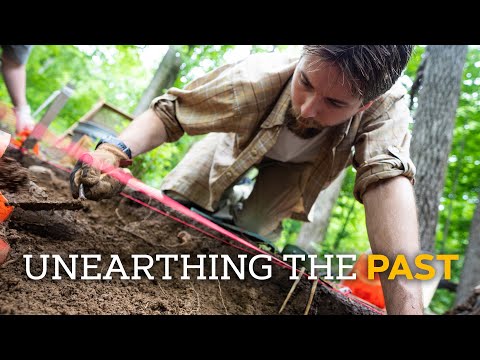
Did you know that the dirt beneath our feet can hold more secrets than a gossiping neighbor? Seriously!
When you think of archaeology, you probably picture Indiana Jones, right? Whipping his way through ancient ruins in search of treasure. But there’s this whole other side to it—environmental archaeology. It’s like being a time detective, sifting through the layers of soil to uncover what people and nature were up to ages ago.
Imagine finding out why your town has hot springs or where your favorite hiking trail got its name. Spoiler alert: it might all be linked to ancient ecosystems and human habits!
So, let’s dig in (pun intended) and chat about how understanding the past helps us today. It’s pretty cool stuff!
Unveiling History: The Crucial Role of Archaeologists in Scientific Discoveries
Archaeology is like the ultimate treasure hunt! But instead of gold coins and sparkling jewels, archaeologists are on the lookout for stories buried beneath layers of dirt and time. You see, every time they dig a hole, they’re not just searching for artifacts; they’re piecing together the puzzle of human history. Isn’t that cool?
Environmental archaeology is a particular branch that focuses on understanding how ancient people interacted with their environment. Basically, it studies how they used natural resources, adapted to climate changes, and even shaped their landscapes. It’s like reading a book about how humanity has changed over thousands of years—just written in soil and stone.
One important thing archaeologists do is collect data from various sites. They might analyze seeds from old cooking pots or bones from dinner tables long gone. This helps them learn about diets, agriculture practices, and even trade routes back in the day. Think about it: by looking at what people ate or where they got certain materials from, you can start to understand their lives on a deeper level.
And here comes the fun part! Imagine if you found an ancient site where people had built houses out of mud bricks. Not only would you find those bricks, but you’d also discover leftover food remains—like charred grains or fish bones. These findings can tell us if they were farmers or hunters or maybe both! It’s like tracing back the steps of our ancestors through what they’ve left behind.
Now let’s talk technology. Today’s archaeologists use some pretty high-tech gadgets! From satellite imagery to drones flying over dig sites, these tools help them discover places that are hard to reach or even hidden under vegetation. Sometimes it can feel like playing a real-life version of Indiana Jones mixed with sci-fi!
The role of archaeologists goes beyond just digging up the past; it’s also about protecting it. They work hand-in-hand with historians and environmental scientists to ensure that important sites are preserved for future generations. Think about all those amazing stories waiting to be told! Without their efforts, we could lose so much knowledge about who we are.
So next time you hear about an archaeological find—a cool pottery shard or maybe some ancient tools—remember there’s a team behind that discovery working tirelessly to unveil history’s rich tapestry. In short:
- They dig for artifacts that reveal human stories.
- They study environmental interactions to understand ancient life.
- They use advanced technology for discoveries.
- They protect historical sites for future learning.
In essence, archaeological work connects us to our roots and gives meaning to our shared human experience across time and space. So as you wander through museums or read history books, think of those dedicated folks on the ground making sense of our rich past one layer at a time!
Transformations in Modern Archaeology: Exploring Advances and Innovations in the Field of Science
Modern archaeology has seriously transformed over the years. We’re not just digging in the dirt anymore. Today, we’ve got fancy tech, like drones and ground-penetrating radar, that help us uncover secrets without disturbing the soil too much. It’s pretty mind-blowing when you think about it!
Environmental archaeology plays a huge role in this transformation. Basically, it studies how ancient people interacted with their environments. This means looking at things like plants, animals, and even climate changes that might have influenced human behavior back in the day. It’s all about piecing together the bigger picture of how our ancestors lived.
For instance, take pollen analysis. Archaeologists can examine layers of ancient soil to discover what plants were around thousands of years ago. This helps them understand what people ate or how they adapted to changing climates. By studying these tiny bits of pollen, they can figure out if a community was thriving or struggling with drought.
Then there’s isotopic analysis. Now, I know that sounds super technical! But basically, this method looks at the chemical signatures left behind by living organisms. By analyzing the bones of ancient humans or animals, scientists can tell where they were getting their food from or even trace migration patterns.
Remote sensing technology has also made waves in modern archaeology. Drones can capture detailed images of landscapes where sites might be hidden under foliage or other obstacles. This means archaeologists can identify potential dig sites without ever setting foot on them first!
And hey, let’s not forget about 3D modeling. With this tech, we can create virtual representations of archaeological sites or artifacts. Imagine walking through a digital version of an ancient city! This not only makes it easier for researchers to analyze structures but also allows the public to engage with history in new and exciting ways.
But with all these advances come challenges too—like making sure we’re respecting the cultures and communities connected to these sites. Ethical considerations are important because archaeology isn’t just about digging up bones; it’s also about telling stories that belong to people who still exist today.
In conclusion—and I promise I’m not trying to sound preachy—modern archaeology is evolving rapidly thanks to technology and innovative approaches like environmental archaeology. It helps us understand our past better while respecting those connections that remain alive today! Pretty cool stuff if you ask me!
Unveiling History: The Role of Archaeology in Advancing Scientific Understanding of the Past
Archaeology is this amazing field that helps us piece together our past. Think of it as a time machine, but instead of hopping through space, we dig through layers of dirt and history. It’s not just about finding old pots or skeletons; it’s about understanding how people lived, what they believed in, and how they interacted with their environment.
Environmental archaeology plays a major role in this quest. It merges the study of archaeology with the examination of ancient environments. By analyzing things like pollen, seeds, and animal bones found at dig sites, scientists can recreate past ecosystems. You know how certain plants grow better in specific climates? Well, understanding that helps archaeologists grasp how ancient societies adapted to their surroundings.
- Understanding Diets: When researchers find animal bones or plant remains, they can figure out what people ate. This gives insight into agricultural practices and trade.
- Cultural Practices: Artifacts like tools or pottery often show who used them and for what purpose. Were they for cooking? Rituals? Social gatherings?
- Climate Changes: Analyzing layers of sediment can reveal past climate conditions. For example, if a layer contains lots of charred wood, it might indicate a fire—natural or human-caused.
- Migration Patterns: Things like shell middens (heaps of discarded shells) show where ancient communities settled based on resource availability.
A while back, I read about some researchers who uncovered stone tools buried deep under layers of soil in Africa. These tools were over two million years old! That’s like finding your great-great-grandparents’ old stuff but way cooler and more ancient. It highlighted not just the tools themselves but also made scientists think about early human behavior—how they hunted and gathered food.
But here’s something that often gets overlooked: archaeology isn’t all about digging up bones or beautiful artifacts; it’s also about working with the communities connected to these histories. Local people often hold vital knowledge about their land and its stories which can enrich archaeological findings.
So basically, every dig is like opening a chapter in an epic storybook filled with adventures from the past! Archaeology provides a context for scientific findings across fields—from biology to anthropology to climate science—helping us see the bigger picture.
In summary, archaeology is essential for advancing our understanding—not only of human history but also our planet’s climate journey. It teaches us resilience and adaptation over time while reminding us that we’re part of this ongoing narrative called life on Earth! If you think about it, each discovery not only unearths relics but opens doors to fresh questions we still have yet to answer!
You know, when we think about archaeology, we often picture dusty bones or ancient pottery. But there’s this cool branch called environmental archaeology that digs into how past societies interacted with their environment. It’s like they’re using time travel to understand our planet better!
I remember visiting a museum once and seeing this amazing display of plant remnants from an ancient civilization. I was blown away by how something seemingly insignificant like seeds could tell us about what people ate, how they farmed, and even the climate back then. It made me realize that every little piece of evidence—just like those seeds—can paint a huge picture of our history.
Environmental archaeology isn’t just about finding artifacts; it’s about understanding the relationship between humans and nature over centuries. Think about it! They study everything from pollen to animal bones to figure out what the environment was like and how it shaped human life. This is crucial nowadays because, let’s be honest, we’re facing pretty hefty environmental challenges ourselves.
By studying past societies, researchers can gain insight into what worked and what didn’t when it comes to living sustainably. For instance, some civilizations thrived by balancing agriculture with their surroundings; others collapsed because they pushed too hard against nature’s limits. It’s almost like a cautionary tale for us today!
And here’s the kicker: the lessons learned from these ancient environments can offer guidance as we navigate our own complicated relationship with Earth. When archaeologists unravel those old stories, it’s not just history—it’s a call to action for looking after our planet better.
So yeah, every time you hear about discoveries in environmental archaeology, remember it’s not just digging up the past; it’s also about shaping a better future for all of us. It kind of connects us across time in this big web of life where we all play a role—past and present alike!