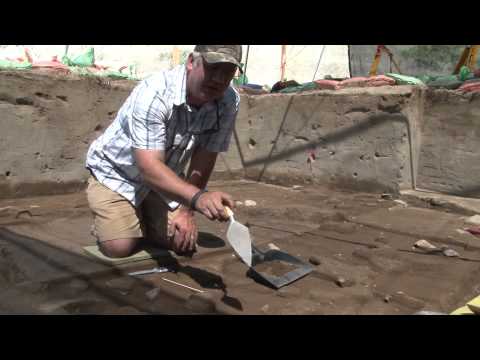
You know what’s wild? One minute you’re walking through a park, and the next, someone’s digging up ancient dinosaur bones! Seriously, how cool is that? There’s something super exciting about excavation sites.
Imagine finding treasure—well, kind of! I remember when I was a kid, I dug up a “pirate” chest in my backyard. Spoiler alert: it was just an old shoebox filled with some broken toys. But for real scientists and archaeologists? They’re uncovering history beneath our feet!
So, ever wonder how they do all that digging without accidentally hitting a water pipe? Or what makes a site worth excavating in the first place? The thing is, there’s a whole lot of science behind it—all those tools and techniques they use to make sure they don’t just hit dirt but actually find something amazing.
Let’s dig into it!
Exploring the Science of Excavation: Techniques, Applications, and Environmental Impact
Excavation is a fascinating process, you know? It’s not just about digging in the dirt; it’s a blend of science, art, and a little bit of adventure. When you think about excavation, you might picture construction sites or archeological digs. But there’s so much more happening beneath the surface.
Techniques of Excavation
Let’s start with the techniques. There are various methods to excavate material from the earth. Each has its own purpose and is suited for specific conditions:
- Open-Cut Excavation: This is like digging a big hole right down to whatever you’re looking for. You see this method often in mining.
- Trenching: Imagine a long, narrow ditch being dug. It’s practical for utility lines and archeological trenches.
- Augering: This involves twisting a tool into the ground to remove samples. Think of drilling for soil tests or water wells.
- Hand Excavation: Sometimes, all you need is a trowel. Archeologists use their hands to carefully unearth fragile artifacts.
Each technique has its own set of tools and machines, but at the heart of it all is the goal of extracting useful information or materials.
Applications of Excavation
Now, onto applications! The reasons people dig holes can be quite diverse:
- Construction: Before building anything substantial—like bridges or skyscrapers—excavation creates foundations.
- Archeology: People dig in search of historical artifacts that provide insight into past civilizations.
- Civil Engineering: Projects like installing pipelines or laying down roads require extensive digging.
- Mineral Extraction: Mining operations rely heavily on excavation to access resources like coal and metals.
It’s pretty amazing how many industries depend on this basic practice!
Environmental Impact
But let’s not forget about environmental concerns. Excavation can significantly impact local ecosystems:
- Erosion: When soil is disturbed, it can wash away easily during rainstorms, leading to loss of fertile land.
- Biodiversity Loss: Digging in certain areas can destroy habitats for plants and animals; some species might not recover.
- Aquifer Disruption: Heavy machinery can alter groundwater flow and even pollute water sources if not managed properly.
So yeah, while excavation brings many benefits, it also carries responsibilities.
Anecdote Time!
I remember visiting an archaeological site where they were excavating ancient structures. The excitement was palpable! They found pottery fragments that dated back thousands of years—each piece told a story! But they also had to be super careful with everything they unearthed. It really drove home how digging isn’t just about what you find but also about respecting what was there before us.
In sum,
excavation encompasses an array of techniques tailored for different applications, but it comes with environmental considerations that shouldn’t be overlooked. Whether it’s building something new or uncovering history, each shovel full holds potential—but also responsibility. It’s all part of our ongoing relationship with the earth beneath our feet!
Unearthing History: The Scientific Process of Archaeological Excavation and Site Analysis
So, you’re curious about archaeological excavation? It’s a fascinating blend of science, history, and a good bit of detective work. Imagine standing on a patch of earth that hasn’t been touched for hundreds or even thousands of years. It’s like being in the middle of a giant puzzle, where every shovelful of dirt might reveal clues about ancient civilizations.
The first step in this process is site selection. Archaeologists don’t just pick random spots to dig. They use historical records, maps, and even satellite imagery to find places that are likely to hold artifacts. Sometimes they rely on local legends or stories passed down through generations. Pretty cool, right?
Once a site is chosen, it’s all about testing. Archaeologists perform initial surveys to get an idea of what lies beneath the surface. They’ll dig small holes called test pits, which help them determine if there are any artifacts worth investigating further.
Now comes the exciting part—excavation. Think of it like peeling an onion; you can’t just rip it apart but need to work slowly and carefully. They usually start at the surface and dig down in layers (called stratigraphy). Each layer represents a different time period or event. Not just random dirt; it’s history!
During this whole process, keeping track of everything is crucial. Every item found is meticulously recorded—its exact location noted so it can be analyzed later. This documentation is key because context matters! Finding a pottery shard next to animal bones tells you something different than finding it alone.
Then we have the analysis phase, where all those finds get some serious attention. This can range from carbon dating organic materials to using X-rays for metal objects to see what’s hiding inside without breaking anything. It’s kind of like playing detectives again! By studying these artifacts alongside other findings (like pollen samples or soil types), archaeologists start piecing together what life was like back in the day.
And don’t forget about involving the community! In many projects today, public outreach plays an important role. Local communities might get involved in digs or educational programs that open their eyes to their own history!
When you think about it, archaeology isn’t merely about digging up old stuff; it’s about connecting with past lives and cultures that shaped our world today. Each object tells a story—a piece of someone else’s life that helps weave together the tapestry of human history.
Isn’t it amazing how much we can learn from what’s buried beneath our feet? So next time you step outside or wander into an old field or forest, think about all those secrets waiting there!
Exploring the Ethical Dilemmas: Why Archaeologists Choose to Dig and Displace Historical Sites
It’s pretty wild when you think about it: archaeologists are like modern-day treasure hunters. They dig into the past, discovering lost civilizations, ancient artifacts, and stories buried deep beneath our feet. But here’s the twist: while they’re bringing history back to life, they also face some really tough ethical dilemmas. Let’s break it down a bit.
First off, one of the big questions is: who owns the past? When archaeologists dig at a site, they often find artifacts that tell us about cultures that may have long since vanished. But what happens when those artifacts belong to a place or people still very much alive? You might end up with conflicts between local communities and researchers. For example, in places like Egypt or Greece, where many priceless relics are housed in museums worldwide, locals sometimes feel that their history is being taken away from them.
Then there’s this whole issue of displacement. Digging can disrupt historical sites that hold immense cultural significance for local populations. Like imagine if someone came into your backyard and started digging it up—it’s not just dirt; that’s your home! So when archaeologists decide to excavate a site, they really have to weigh whether the potential discoveries are worth displacing what’s already there.
Another thing to consider is the importance of context. Artifacts don’t just shine on their own; they tell stories based on where they’re found. If an archaeologist discovers a beautiful vase but removes it from its original location without documenting how it relates to other items around it—well, that’s like pulling pages out of a book! It gives us only part of the story.
And let’s not forget about conservation efforts—many sites are fragile. When archaeologists dig them up but don’t take proper measures to protect those areas afterward, they risk ruining what makes those places special in the first place. Kind of like picking flowers without thinking about whether they’ll grow back!
In light of all this, some archaeologists work closely with indigenous communities to get consent before starting digs. They aim for partnerships that respect local cultures and acknowledge their connection to history so that excavation feels more like collaboration than intrusion.
So yeah, digging into the past sounds exciting but involves navigating these serious moral questions too. You could say it’s an ongoing conversation between discovery and respect for cultural heritage—a balancing act where every decision counts! When you think about all these layers involved in archaeology, it’s clear there’s way more here than just finding cool stuff in the dirt!
You know, the moment you think about excavation sites, it’s like stepping into a time machine. Seriously! Imagine digging into the earth and uncovering artifacts or ruins that tell stories from ages ago. I remember visiting an archaeological site once—there were these ancient pottery shards scattered everywhere. Just holding one made me feel connected to people who lived hundreds, if not thousands, of years back. It was mind-blowing!
Excavation is like a dance between science and history. On one hand, you’ve got geology—the study of rocks and soil—which helps archaeologists choose where to dig. They need to understand layers of earth, called strata, which show how different periods are stacked up. Each layer is like a chapter in a book; the deeper you go, the older the stories.
Then there’s the whole side about how excavation techniques have evolved over time. You’d think it’s just about shovels and picks—but nope! Modern digs often use things like ground-penetrating radar or drones to survey sites before they even start digging. They can get a clear picture of what lies beneath without disturbing anything first—how cool is that?
And it’s not all just about finding cool stuff either; there’s science woven into how those artifacts are preserved after they’re found. Conservation techniques play a huge role too. For instance, if they find something precious but fragile—like an ancient scroll—it needs to be treated with care before it crumbles into dust.
But here’s the thing: when we unearth these treasures from our past, we also have this responsibility to interpret them correctly and respect their origins. Some pieces have deep cultural significance and should be treated as such rather than just “cool finds” for museums.
So yeah, excavation sites aren’t just holes in the ground; they’re gateways to understanding who we are as humans through what we’ve left behind. Every shovel full of dirt has a story waiting to be told! And thinking about all the hands that have touched those artifacts over centuries really leaves you with chills—like walking through history itself.