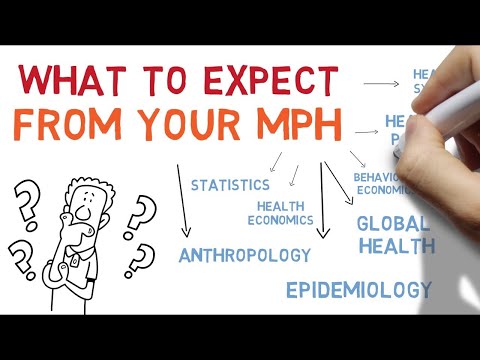
You know what’s hilarious? I recently found out that the word “epidemiology” comes from ancient Greek. It literally means “upon the people.” Kind of feels like a superhero title, right?
But seriously, epidemiology is way cooler than just sounding fancy. It’s all about studying how diseases spread and affect us. And if you think that sounds boring, let me tell you about the time I binged on true crime documentaries and realized they often use epidemiological methods to understand outbreaks. Mind blown!
Imagine being on the front lines of public health, figuring out why some folks get sick while others stay healthy. That’s what a Master’s in Epidemiology offers! You’re not just learning; you’re gearing up to make a real impact.
So, if you’ve got a curious mind and want to dive deep into this field of science, hang tight! We’re going to explore why pursuing this master’s is not only eye-opening but totally vital for our world today.
Exploring Career Advancement Opportunities for Epidemiologists in the Science Field
Epidemiology is a fascinating field, you know? It’s all about studying how diseases spread, prevent them, and ultimately improve public health. If you’re someone who enjoys diving deep into data and figuring out the bigger picture of health in communities, then this career could be for you. Plus, a master’s degree in epidemiology can really open up some exciting doors!
First off, let’s talk about what you might do with an advanced degree in this area. Epidemiologists work in various settings:
- Government agencies: They help shape public policies by analyzing health trends.
- Research institutions: You could be part of groundbreaking studies to uncover disease patterns.
- Non-profits: Here, you get to tackle health issues on the ground level and make a real impact.
- Private sector: Many companies need epidemiologists for clinical trials or to address workplace health concerns.
Now, think about those long-term career paths. With a master’s degree, there are ways to move up the ladder. You could step into roles like senior epidemiologist or even chief epidemiologist. Those jobs come with more responsibilities and often lead projects that affect public health on a large scale.
But wait! It’s not just about climbing the corporate ladder; it’s also an opportunity for interdisciplinary work. Collaborating with specialists from different fields can expand your skills and networks. For instance:
- You might team up with biostatisticians to create powerful models predicting disease outbreaks.
- Working with environmental scientists can offer insights into how surroundings impact health.
One of my friends went through this journey; she had always been passionate about how environment influences well-being. After getting her master’s in epidemiology, she ended up on a project linking air pollution to respiratory diseases in urban areas. That experience didn’t just enrich her knowledge but also connected her with experts across various sectors.
Also worth mentioning is the importance of staying current with new technologies and methodologies. The field evolves fast! Engaging in workshops or conferences isn’t just good for learning; it’s great for networking too.
Something else to consider is teaching opportunities! If you enjoy sharing knowledge—like mentoring students or even leading workshops—you’ve got options there too. Many academics find joy in connecting research with education.
In short, pursuing a master’s degree in epidemiology can be like adding turbo fuel to your career rocket. The opportunities are varied and vibrant—whether it’s research projects that change lives or positions that allow you to influence health policy at national levels.
So, if you’re feeling drawn toward this path? Go ahead! It could lead not only to personal growth but also significant contributions toward global health advancements.
Evaluating the Value of a Master’s Degree in Epidemiology: Is It Worth the Investment in Your Scientific Career?
Thinking about a Master’s in Epidemiology? Let’s break it down.
Epidemiology, the study of how diseases spread and impact populations, is increasingly crucial. With global health issues popping up left and right, having this expertise can make a big difference. But is getting that master’s degree worth the time and money? Let’s explore that.
First off, career opportunities. With a Master’s in Epidemiology, you open doors to various paths. You could work in public health agencies, research institutions, or even NGOs. These jobs often require specific knowledge that only a master’s program provides. Think about it: who wouldn’t want to track down how viruses spread or analyze public health data? It can be rewarding to feel like you’re making an impact!
Next up: potential salary increases. While no one gets rich overnight with any degree, having a master’s often leads to higher-paying positions. Epidemiologists usually earn more than people with only a bachelor’s degree in related fields. It’s not just about the numbers; it feels good when your hard work pays off financially too.
Then there’s the skill set. Master’s programs dive deep into data analysis, critical thinking, and research methods. You learn how to interpret complex information and apply it practically. This means you’re not just learning theories—you’re gearing up for real-world challenges. Imagine being able to analyze trends in disease outbreaks or design effective prevention strategies! That kind of expertise makes you super valuable.
The networking aspect is huge too. When you’re in school for your master’s, you connect with peers and professors who are already established in the field. These connections can lead to job opportunities or collaborations later on. Having that network might help when you’re looking for your next role or want advice from someone who’s been there.
But let’s talk reality: the investment part. A master’s program isn’t cheap! Tuition costs can be daunting alongside living expenses if you’re studying full-time. It’ll take some careful budgeting and possibly taking on student loans if your resources are tight.
Here are some things to weigh when questioning whether it’s worth it:
- Your current job situation: Are there opportunities for advancement without further education?
- Your passion for public health: Do you genuinely enjoy epidemiological work?
- Your learning style: Do you thrive in an academic environment?
- The demand for epidemiologists: Is this field growing where you aim to work?
- Your long-term career goals: Where do you see yourself in five or ten years?
Lastly, consider your personal motivation.A while back, I chatted with someone who had been working as a data analyst but felt unfulfilled until they pursued their master’s in epidemiology. Now they’re contributing to vaccine research—like how cool is that? Sometimes it takes taking that leap of faith into further education to find where you fit best!
So yeah, weighing all these factors is essential before deciding if that master’s degree is the right step for your scientific journey. The investment could pay off big time—both for your career and your sense of purpose!
Exploring the Highest Paying Careers in Epidemiology: Top Roles and Salaries in the Field of Science
So, you’re curious about the highest paying careers in epidemiology, huh? Well, you’re in for a treat. Epidemiology is all about studying how diseases spread and affect populations. And guess what? It can lead to some pretty lucrative careers.
First things first, let’s break down some of the top roles in this field:
- Epidemiologist: These folks are like detectives but for diseases. They analyze data to find out why and how outbreaks happen. Salaries can range from $60,000 to over $100,000 a year depending on experience and location.
- Biostatistician: If numbers are your jam, this role could be perfect. Biostatisticians use statistics to interpret data related to health issues. They usually pull in between $70,000 and $120,000 annually.
- Public Health Consultant: This job involves advising on public health policies and programs. You’ll often make around $80,000 to $140,000 depending on your expertise.
- Infectious Disease Specialist: Working closely with hospitals and health departments, these specialists focus on outbreaks of infectious diseases. Their salaries can easily exceed $90,000.
- Clinical Research Coordinator: Coordinators oversee clinical trials and research projects related to epidemiology. Pay tends to be around $70,000 up to $120,000 or more based on experience.
Now let’s talk about why these roles pay so well. Basically, it boils down to demand and expertise. During events like pandemics (remember the recent global pandemic?), skilled epidemiologists become vital. Their ability to analyze data quickly helps save lives.
Here’s a little personal touch: I once met an epidemiologist at a coffee shop who shared her journey into the field while sipping on a caramel macchiato. She talked about how much she loved unraveling complex data puzzles and preventing disease outbreaks—she literally saved lives daily! That passion can really drive up those salaries because experienced professionals are always sought after.
One thing worth noting is that pursuing a Master’s in Epidemiology could set you apart from other candidates vying for these positions. Higher education usually translates into advanced knowledge—and hey, that often means higher pay!
In sum: epidemiology is not just important work; it’s also financially rewarding if you’re willing to put in the time and effort into your education and career path. Whether you’re crunching numbers or leading research teams, there’s something for everyone! So if this sounds like your kind of gig,
you know what steps you might want to take next!
You know, I’ve been thinking a lot about what it means to dive into something as deep and intricate as epidemiology, especially at a graduate level. It’s not just about the science or the degree; it’s this whole journey of discovery and understanding that can honestly change the world, you know?
Imagine walking through a crowded street on a chilly morning. Everyone seems to be in their own bubble, rushing off to work or school. But behind that everyday hustle, there’s this complex web of interactions going on—people sneezing, shaking hands, sharing germs without even realizing it. I remember once getting sick right after attending an event where everyone was packed in like sardines. It made me wonder: how do diseases spread so rapidly? What can we do to prevent outbreaks? That’s where epidemiology comes in.
Pursuing a Master’s in Epidemiology can feel like opening Pandora’s box of knowledge. It isn’t just about crunching numbers and analyzing data (though there’s plenty of that too). It’s digging into the roots of public health problems—why they arise and how they can be prevented. You’ll learn about patterns and causes of health issues on both local and global scales! Like, what factors contribute to obesity in one community but not another? Or why certain diseases are more prevalent among specific populations?
And let’s be real—it feels empowering when you think about the potential impact you could have! You might find yourself working on policies that shape health practices or developing strategies for intervention during outbreaks (like, who remembers the chaos during COVID-19?). That sense of contributing to something bigger than yourself is seriously rewarding.
But it won’t all be smooth sailing. Juggling complex theories with real-world applications can be tough. Sometimes you might feel overwhelmed by all the information coming at you or by the weight of responsibility when tackling serious issues like pandemics and healthcare disparities. Seriously, who wouldn’t feel stressed at times?!
Still, every challenge is an opportunity to learn and grow—not just as a student but as someone who genuinely wants to make things better for everyone around them. You’ll find support among your peers; everyone’s kind of in this together! And hey, those late-night study sessions where you bond over coffee and textbooks will create friendships that last way beyond your time at school.
So if you’re thinking about diving into grad school for epidemiology, go for it! You could become part of a community that’s actively trying to understand what makes us tick biologically while advocating for healthier lives everywhere—now that’s pretty cool!