Alright, picture this: you’re at a party, and there’s that one friend who just can’t stop telling stories about their wild cat, Mr. Whiskers. One minute he’s chasing shadows, the next he’s launching himself into a cardboard box like a little furry missile. It’s chaotic but somehow makes perfect sense in its own way.
Now, swap Mr. Whiskers for neural networks, and you’ve got something pretty similar going on! These networks are like the brains of our machines, learning and changing in the craziest ways.
So, here’s the deal: we’re diving into epoch dynamics—those little bursts of learning these networks experience as they train. It might sound all fancy and techy, but hang tight! It’s way cooler than it seems.
The way neural networks adapt can tell us a lot about not just technology but how we think too! Curious? You should be!
Evaluating Epochs in Machine Learning: Understanding the Impact of 20 Epochs on Model Performance
Alright, let’s break down epochs in machine learning. It might sound a bit technical at first, but trust me, we’ll keep it casual and straightforward.
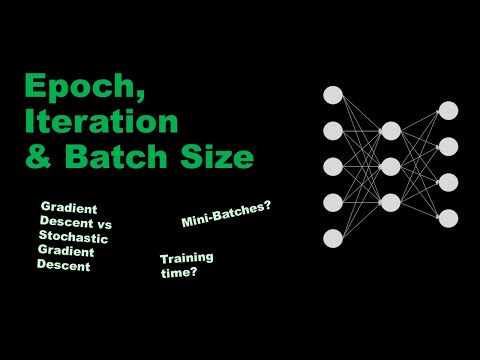
When training a neural network, you take your data and feed it to the model multiple times. Each time you go through your whole dataset is called an “epoch.” So, when you hear someone mention “20 epochs,” they mean the model has looked at the data 20 times. Cool, right?
Now, why 20? Well, it’s not a magic number. It’s just one of those choices made to balance how well the model learns without going overboard. If you don’t run enough epochs, the model might not learn enough from the data. But if you go overboard? The model could start memorizing the training data instead of generalizing from it. We call this problem “overfitting.”
So what happens during these 20 epochs? As each epoch rolls out, the following occurs:
It’s kind of like studying for an exam! At first, you’re learning all sorts of new stuff but after a while, you start repeating information without really absorbing anything new.
Now let’s talk about performance metrics! You know how grades might show if you’re getting better or worse? In machine learning land, we use metrics like accuracy or loss to measure how well our model’s doing.
If we check our figures after each epoch—let’s say after 10 and then after 20—you could potentially see some interesting trends:
Sometimes keeping track of these trends across multiple runs leads to understanding your datasets better or spotting any weird quirks within them.
In summary: running a neural network for 20 epochs helps your model learn patterns without getting too caught up in memorizing details. Pay attention to your metrics; they’ll tell you if you’re on track or need to rethink things!
So remember: it’s all about striking that balance between learning enough and not getting too fixated on specifics. It’s a dance—one step forward and occasionally two steps back!
Understanding the Role of Epochs in Neural Network Training: Implications for Scientific Research
Neural networks are kind of like brainy computer programs that learn from data. When we train them, we often go through multiple epochs. An epoch is just a full pass through the entire training dataset. Imagine you’re trying to memorize a song by listening to it over and over again. Each time you listen is like an epoch where you’re trying to pick up all those little nuances in the melody and lyrics.
During these epochs, the network tweaks its internal settings, known as weights, based on what it’s learned. But it’s not just a mindless grind. The adjustments depend heavily on something called loss functions, which basically measure how well the network is performing after each pass. If it does well, great! If not, it needs to adjust its approach the next time around.
Now, let’s get into why these epochs matter so much for scientific research. Like I said earlier, each epoch improves the neural network’s understanding of data patterns. So when researchers are working on complex problems—say predicting outcomes in medical studies or analyzing climate data—they rely heavily on epochs for fine-tuning their models.
Here are some important points to consider about epochs:
- Overfitting: Sometimes, if you run too many epochs without careful monitoring, the model might start memorizing details instead of learning patterns—this is called overfitting.
- Underfitting: On the flip side, if you don’t run enough epochs, your model might miss important features in the data and therefore underfit.
- Batch Size: The number of samples processed before updating weights can also affect how effective each epoch is. Smaller batch sizes can make training more noisy but offer more updates.
- Learning Rate: This controls how big those weight adjustments are with each epoch. A high learning rate means faster changes but could overshoot optimal settings; a low rate means slow progress.
- Validation Data: To ensure that your model isn’t just memorizing training data during epochs, it’s good practice to use validation datasets to evaluate performance at different stages.
One cool example in science is using epochs while training models for predicting protein structures. Scientists feed these models tons of sequence data across several epochs so they gradually learn how amino acids fold into functional shapes.
In summary, understanding how epochs work in neural network training can really help improve various scientific endeavors—you know? By carefully adjusting things like learning rates and batch sizes while keeping an eye out for issues like overfitting or underfitting, researchers can build more accurate models that ultimately lead to better insights and discoveries!
Understanding 50 Epochs in Machine Learning: Implications and Applications in Scientific Research
Alright, let’s chat about epochs in machine learning. When you hear the term “epoch,” it’s not just some fancy word thrown around by techies. It actually means a full pass through your entire training dataset. So, like, imagine you’re teaching your little brother how to ride a bike. Each time he rides, he learns more about balancing and pedaling. That process of riding is similar to an epoch.
Now, in machine learning, especially with neural networks, multiple epochs are super important for the model to improve its performance. So, let’s break it down a little more.
Understanding Epochs
- Training Phase: Each epoch gives the model a chance to see all the training data.
- Learning: With each pass (or epoch), the model adjusts its internal parameters based on what it learned from that pass.
- Overfitting: Too many epochs can lead to overfitting. It’s like if your brother practiced riding his bike on just one path; he wouldn’t learn how to navigate different terrains!
You get this feedback loop going where the model tweaks itself after every epoch. But here’s where it gets interesting—after enough epochs (let’s say 50), you often find that the model’s performance stabilizes or even starts dropping off if it’s overfit.
Applications in Scientific Research
Machine learning isn’t just for tech companies or cool apps; it has major implications in scientific research too! Think about fields like biology or medicine. Here’s how epochs come into play:
- Disease Prediction: In healthcare, neural networks can analyze complex data sets from patient records over several epochs to spot patterns or predict diseases.
- Chemical Analysis: Scientists use machine learning models trained over multiple epochs to identify molecular structures or predict chemical reactions.
A real-life example? Researchers identified potential COVID-19 drug targets using neural networks that underwent multiple epochs of training! The results were impressive and showcased how dynamic and powerful this approach could be.
The Dynamics of Epochs
But it doesn’t stop there! The dynamics of these epochs are crucial too. Adjusting factors like learning rate can affect how quickly or effectively a model learns during those epochs.
- Learning Rate: If too high, it might skip important patterns; if too low, training takes forever.
- Batch Size: Smaller batches mean more frequent updates but can introduce noise; larger batches provide smoother updates but may miss nuances.
Think about tuning a guitar. If you twist the peg too fast (high learning rate), you might break a string! But twist it slowly (low learning rate), and you could end up late for your concert!
The Bigger Picture
So why does all this matter? Well, with understanding these dynamics and implications of training through various epochs in machine learning, scientists can develop better models that make significant predictions and discoveries.
In summary: each epoch is like another chance for your machine-learning model to learn—and when used wisely and thoughtfully—can pave the way for groundbreaking advancements in science. Keep an eye on those numbers because they’re shaping our future!
Okay, so let’s chat about this whole thing with epoch dynamics in neural networks. It’s one of those terms that might sound super complicated at first but, honestly, when you break it down, it’s way cooler than it seems.
So, imagine a little kid learning to ride a bike. At first, they wobble and might even fall down a couple of times. Each time they try, they’re getting better—kind of like how neural networks learn through epochs. An epoch is basically one complete run through the data to teach the neural network something new. You could think of it as each practice session for our little cyclist.
The cool part? Just like that kid learns from each attempt—the falls, the corrections—neural networks go through these epochs to adjust their internal parameters. They look at where they messed up, tweak things a bit, and try again. It’s like refining your approach every time until you get it right.
But here’s the kicker: it’s not always straightforward! Sometimes, a neural network can get stuck in a rut during training periods—like if our bike rider just kept falling over without improving much. That’s when people get creative with techniques to help it out; maybe by adjusting learning rates or adding more data during training.
Now picture this: every time we change an aspect of how we train these networks—like adjusting how many times an epoch runs—we’re not just tweaking numbers on a screen; we’re affecting what those networks can ultimately do! That’s pretty huge! It shapes everything from voice recognition software to AI art creation.
And if we think about the implications? Wow, it’s expansive. Neural networks are playing roles in everything from healthcare diagnostics to self-driving cars. The better we understand how these epochs work and optimize them, the more powerful our AI tools can become.
So yeah, diving into epoch dynamics isn’t just for techies or academics—it resonates with anyone who’s curious about learning and improvement in life itself. It reminds us that progress often comes from a series of attempts and adjustments that lead us closer to something great! And honestly? That feels relatable on so many levels.