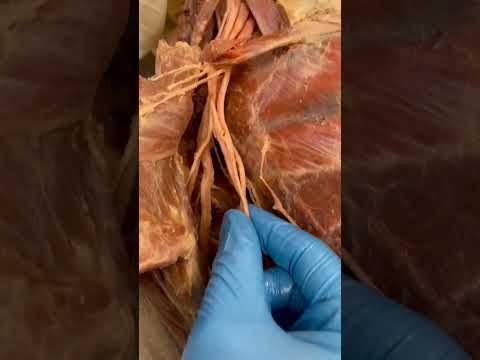
You know that feeling when you trip over your own feet and your body suddenly goes into, like, hyper-mode trying to save you from a face plant? Well, that’s anatomy and physiology working together right there! It’s kind of wild how our bodies are like this epic machine. Seriously!
Let’s talk about how they play out in the real world. Think about the last time you ran for the bus. Your heart? Pumping like crazy. Muscles? Ready to spring into action! The way everything syncs up is just fascinating.
I mean, it’s not just about muscles and bones. There’s so much more going on under the surface. Our bodies are constantly working to keep us moving, breathing, and living life fully. So grab a snack, get comfy, and let’s dig into some cool examples of how anatomy and physiology strut their stuff every day!
Engaging Strategies to Make Anatomy and Physiology Exciting for Students
Making Anatomy and Physiology Exciting for students can feel like a daunting task. But really, it’s all about bringing the subject to life! Here are some engaging strategies that can transform those complex systems into something truly captivating.
First up, interactive models. Think of 3D printed organs or virtual reality explorations of the human body. When students can see and interact with these models, it grabs their attention. You know? It’s way cooler to look inside a heart or brain in virtual reality than just staring at pictures in a textbook.
Another fun tactic is using storytelling. We all love a good story, right? You might share anecdotes about famous scientists—or even medical cases that illustrate how anatomy and physiology work in real life. Like the time a doctor saved someone using their knowledge of anatomy in an emergency. It adds a human element that makes things relatable!
Hands-on experiments are also key. Who wouldn’t want to dissect a frog or explore models of muscles? It might seem messy or chaotic, but hey, that’s where the learning happens! Students actually get to feel what they’re studying, which sticks with them far longer than memorizing facts.
You could also play around with games and quizzes. Even something as simple as an anatomy bingo can be super effective! Games bring out that competitive spirit and make learning fun rather than just another chore.
Another great idea is incorporating real-world applications. Show how anatomy and physiology come into play in fields like sports medicine, physical therapy, or even robotics! Connecting classroom lessons to real jobs opens up students’ minds about potential career paths. It’s not just about being in school; it’s about preparing for the future!
Lastly, don’t underestimate the power of guest speakers. Inviting professionals from various fields—like doctors or researchers—can inspire students. Hearing first-hand accounts about how important this knowledge is in their jobs might ignite interest.
So yeah, making anatomy and physiology engaging isn’t rocket science—it requires creativity! Each of these strategies creates connections between what students learn and who they are or could be. That way, they won’t just memorize terms; they’ll actually understand them.
Understanding Action Potentials in Physiology: Key Examples and Mechanisms
Alright, let’s break down action potentials in physiology. It’s a fancy term, but at its core, it’s about how our body communicates, especially in our nervous system and muscles. When you touch something hot, your body needs to tell your brain super fast—this is where action potentials come into play!
First off, what is an action potential? Think of it as a tiny electrical impulse. It happens when a nerve cell, or neuron, gets excited enough to send a signal down its length. This happens through a really neat process of changing voltage across the cell membrane.
So how does this actually work? Well, it starts with the neuron sitting at its usual resting state. Imagine it chilling at -70 millivolts (that’s pretty negative). Then something triggers it—like that hot surface you touched. When the trigger is strong enough, it causes sodium channels in the membrane to open up! With these gates opening, sodium ions rush into the cell because they’re attracted to that negative charge. This influx flips the charge inside the neuron to about +30 millivolts!
The cool part? This change creates what we call an depolarization. Once that peak is reached, those sodium channels close and potassium channels open. Now potassium wants out since there’s less of it outside than inside the cell—and boom! Potassium exits and pushes the voltage back down during what’s called repolarization.
- The threshold: The point you need to reach for an action potential to fire is around -55 millivolts.
- The all-or-nothing principle: If that threshold isn’t hit? No signal! It’s like trying to start a car without turning the key; nothing happens.
- The refractory period: After firing an impulse, there’s a brief moment when another action potential can’t happen—just like taking a breath after shouting!
This whole process happens super fast; we’re talking milliseconds here! The signal can travel along nerves like lightning—up to 120 meters per second in some cases. That speed is crucial when you need your reaction time to be quick—like dodging a ball!
A great example of this in action can be seen in reflex actions. Think about when you accidentally step on something sharp—your foot reflexively pulls back before your brain even registers what happened! That quick pull-back relies on those swift action potentials zipping through your nervous system.
Beyond just nerve cells, action potentials are essential for muscle contractions. When neurons stimulate muscles (like biceps), they generate their own action potentials that initiate contraction. So every time you move or flex an arm muscle because you want to pick something up? Yep, action potentials are behind all that!
This combination of cells communicating with electrical impulses keeps everything functioning properly from heartbeats to complex movements. Next time you’re feeling your heartbeat or moving around casually? Just remember—you’ve got these awesome little electric signals firing away in your body keeping things running smoothly!
Understanding the Synergy of Anatomy and Physiology: Real-World Examples in Science
Sure! Here’s a text that dives into the connection between anatomy and physiology.
When you think about it, anatomy and physiology are like best buddies that work together to keep us alive and kicking. Anatomy is all about the structure of our bodies—the bones, muscles, organs, and everything in between. Physiology, on the other hand, focuses on how these parts function. So understanding both is key to seeing how our bodies operate day in and day out.
Think about your heart for a moment. It’s not just a cute symbol of love; it’s a muscular organ that pumps blood throughout your body. The anatomy of the heart includes four chambers: two atria and two ventricles. But here’s where it gets interesting—these structures play crucial roles in circulation. The right side pumps deoxygenated blood to the lungs, while the left side pumps oxygen-rich blood to the rest of your body. That’s physiology in action!
You might have felt your stomach rumble when you’re hungry or even noticed how your mouth waters at the smell of food. This isn’t just random; it’s a beautiful collaboration between structure and function! Your stomach has distinct layers—muscle layers that contract to churn food and an inner lining that secretes acids to break it down. These anatomical features work together to enhance digestion—a perfect example of anatomy influencing physiological processes.
Now let’s talk about muscles for a second because they really show off this synergy beautifully! Skeletal muscles are attached to bones (that’s their anatomy), but what they do? They contract through signals from nerves (that’s physiology). When you decide to pick up something heavy, your brain sends signals down the nerves, telling those muscle fibers to fire up! The way those fibers are structured allows them to generate force efficiently, which lets you lift things—or maybe dance like nobody’s watching!
The respiratory system provides another real-world example worth noting. Take your lungs: they’ve got this amazing branching structure with tiny air sacs called alveoli at the end of each bronchiole. Morphologically speaking (fancy word alert!), this design maximizes surface area for gas exchange—making it easier for oxygen to get into your blood and carbon dioxide to leave it. Physiology meets anatomy right there! Every breath you take showcases this teamwork.
- The heart: It pumps blood efficiently with its four chambers working harmoniously.
- The digestive system: Different structures in the stomach break food down for better absorption.
- Skeletal muscles: Their formations allow for effective movement when contracted by nerve signals.
- The respiratory system: Lungs maximize gas exchange due to their unique anatomical structure.
You know what’s really cool? Our bodies are constantly adapting too! If you start exercising more regularly, say jogging or weightlifting, your muscle fibers adjust—they get stronger and can withstand more stress as a result of both their anatomy changing (like getting bigger) and physiology (enhanced endurance). It kind of blows my mind how this stuff works together!
So yeah, understanding anatomy helps you grasp why things function as they do—and vice versa! They complement each other so well; one without the other would leave us scratching our heads trying to figure out how we even manage everyday activities like breathing or eating pizza (the best snack ever!). Each little part has its role; together they create this amazing symphony we call life.
This connection between what our bodies are made of (anatomy) and how they operate (physiology) really is fascinating—and honestly? It’s what keeps us going from dawn till dusk!
Anatomy and physiology—like, those words sound super scientific, but they’re actually about you and me. Seriously! They explain how our bodies are built and how everything inside us works together like a well-oiled machine. You know, it’s easy to forget that we’re walking around with all these incredible systems going on beneath our skin.
Let me tell you a little story. A few months ago, I sprained my ankle while running. It was kind of a bummer because I had plans to hike with friends that weekend. But while I was sitting there with my foot propped up, I started thinking about how such a simple joint could create so much chaos when it gets messed up. The bones in my ankle were supporting my weight, while ligaments helped keep everything stable. When one little thing goes wrong—like, say, when I awkwardly land on it—all the other systems have to scramble to adapt. It’s like watching a crazy relay race happen in your body!
And then there’s our heart—it’s pretty wild if you think about it! This amazing muscle pumps blood through your veins nonstop, even when you’re asleep! It has four chambers working together flawlessly to push oxygen-rich blood out and pull in carbon dioxide-laden blood like an expert team working toward the same goal. Like, who came up with this stuff? Sometimes I wonder if evolution was the ultimate engineer!
Oh! And don’t even get me started on the brain! Talk about multitasking. Think of all the things it handles at once—your breathing rate, your emotions when you hear your favorite song (you know those feels), or even just deciding what to eat for lunch. Every thought triggers a cascade of chemical reactions and electrical signals that make everything happen seamlessly.
I guess what I’m saying is that anatomy and physiology aren’t just for textbooks or lectures; they’re literally the foundation of our daily lives! So next time you feel your heart racing while going uphill or notice how quickly you recover after tripping over your own feet (we’ve all been there), take a moment to appreciate the sheer brilliance behind these systems working in harmony.
So yeah, life is full of these little miracles happening every second within us—even when we don’t notice them at all! And who knows? Maybe embracing this knowledge can help us take better care of ourselves and appreciate just how remarkable our bodies truly are.