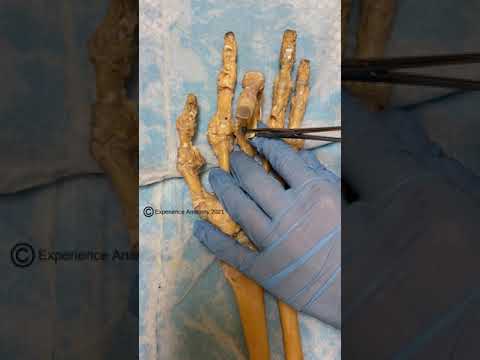
You know that moment when you’re watching a medical show, and they suddenly whip out a human skeleton? It’s like, “Whoa, that thing really does look like a creepy Halloween decoration!” But honestly, there’s so much more to anatomy than just bones and spooky vibes.
Imagine being able to see how your body works while having a blast with your friends. Sounds awesome, right? That’s what anatomy in action is all about!
It’s not just textbooks and diagrams; it’s about making science fun and actually getting people excited to learn. It’s about the muscles doing their thing when you jump or the heart pumping like crazy during a good laugh.
So let’s chat about how we can bring that excitement into classrooms. Trust me, when students get engaged with science in such a lively way, they don’t just learn—they remember. And who doesn’t want to be the cool teacher who makes anatomy “the best subject ever”?
Transforming Science Education: Strategies for Engaging Lessons That Inspire Curiosity
Transforming science education can feel like a big job, but it’s totally doable with the right strategies! Engaging lessons are all about sparking that curiosity in students. When they feel inspired, learning becomes like an adventure instead of a chore. So, let’s explore some ways to make that happen, shall we?
First off, hands-on activities are a must. Students love getting their hands dirty or mixing things up. You could have them dissect a real heart or use models to understand how lungs work. Imagine the excitement in the room when they see how everything fits together! It’s way cooler than just reading from a textbook.
Another thing is storytelling. You know, weaving narratives around scientific concepts can really catch their attention. If you tell a story about how scientists discovered DNA or why certain animals are adapted to their environments, students connect emotionally and remember better. How cool is that?
And let’s talk about collaborative projects. Give students opportunities to work together on experiments or research. When they brainstorm and come up with solutions as a team, they learn not just from the subject matter but also important social skills. Imagine your class building a model ecosystem together—talk about teamwork!
Also, integrating technology can be super effective too. Whether it’s using apps for virtual dissections or tools for simulations, tech can bring anatomy and biology into vivid life. And hey, kids today are digital whizzes; using tech makes learning relevant to their world.
Don’t forget about field trips, which can really change the game! Visiting local museums, nature reserves, or even labs shows students science beyond the classroom walls. A trip to an aquarium could ignite a passion for marine biology—they see creatures up close!
It’s also key to encourage questions. Create an environment where it’s okay for students to ask anything—even silly questions! This makes them feel valued and shows them that inquiry is part of science itself. They won’t shy away from diving deeper into topics that intrigue them.
Lastly, think about giving real-world connections. Show how science impacts our lives daily—like explaining how anatomy helps in medical advancements or safety measures in physical sports. This relevance keeps students engaged because they see why science matters!
In wrapping this up, transforming science education takes creativity and dedication but is oh-so worth it! With hands-on activities, storytelling, collaboration, tech integration, field trips, open questions environment and real-world connections—students could genuinely fall in love with science! It’s all about keeping that curiosity bubbling—and who wouldn’t want that?
Understanding the Role of Anatomy in Advancing Scientific Knowledge and Innovation
So, let’s talk about anatomy. You might think of it as just memorizing a bunch of names and parts within the body, right? But actually, it goes way beyond that. It’s like the foundation for understanding how living things work, and it plays a crucial role in science and innovation.
Anatomy helps in many ways. First off, when we understand how organs function and interact, we can make better medical advances. Think about surgery; surgeons need to know exactly where everything is before they go in, right? If they can visualize the anatomy properly, they can operate more effectively and safely.
And then there’s education. When students engage with anatomy through hands-on activities—like dissecting or using models—they don’t just learn facts. They get to see complex systems in action! For example, when students look at a heart model while discussing blood flow, it clicks in a way that just reading from a textbook doesn’t.
This is super exciting! Engineers are now creating robotic arms that mimic human limbs by studying how our actual arms work. This kind of collaboration between biology and engineering is where real magic happens.
Take cancer research for instance. By understanding the anatomical structures that may become cancerous, researchers can develop targeted therapies that specifically attack those areas rather than harming healthy tissue nearby.
Also, there’s this emotional angle too. It’s not just about cold hard facts; it’s personal! Every time someone learns more about their own body through anatomy studies—maybe after a health scare or needing an operation—they start connecting the dots on their own health journey.
Innovation doesn’t stop there. With all this basic knowledge of anatomy floating around scientists’ heads (or textbooks), new ideas bubble up all the time! Things like regenerative medicine—the idea of regenerating tissues—is rooted in understanding how our bodies heal naturally.
In schools nowadays, engaging students with interactive methods makes learning anatomy so much more approachable and fun than ever before. Imagine using virtual reality to walk through the human body! It’s like stepping into another universe where everything is alive.
So yeah, whether it’s through teaching future doctors or inspiring engineers to build better devices, anatomy lays down some pretty solid groundwork for scientific knowledge and innovation. It’s all connected—just like the systems within our bodies!
Engaging Strategies to Make Anatomy and Physiology Exciting for Students
Anatomy and physiology might sound like a snooze-fest to some students, but with the right strategies, you can turn those long names and complex systems into something engaging and exciting. It’s all about making connections that resonate with them!
First off, let’s talk about interactive learning. Hands-on activities are like gold when it comes to keeping students interested. Consider using models or even 3D apps that let students explore the human body from every angle. Imagine them clicking through layers of skin and muscle, discovering the heart’s chambers or brain regions as if they were explorers in a new world.
Another great way is storytelling. You can weave anatomical facts into engaging narratives. For instance, tell them about a day in the life of a red blood cell. Describe its journey from the lungs to delivering oxygen to tissues. Students aren’t just memorizing facts anymore; they’re following an adventure! You follow me?
And hey, don’t underestimate the power of games. Whether it’s anatomy bingo or virtual dissections online, integrating play into learning can really boost engagement. It turns out quizzes and competitions can light up those neurons like nothing else! Plus, who doesn’t love a little friendly rivalry?
Then there’s real-world applications. Show students how anatomy and physiology relate to everyday life—think sports injuries or nutrition’s role in muscle recovery. You could dive into how understanding the digestive system helps athletes optimize their diets. It gives meaning behind what they’re learning!
Another strategy is using multimedia resources, such as videos or podcasts with experts discussing exciting breakthroughs in medicine or anatomy research. I mean, who wouldn’t want to hear what groundbreaking surgeries are happening around the world? These resources add depth and context, making science feel vibrant and alive.
You could also invite guest speakers—like local health professionals—to share their experiences related to anatomy and physiology. Hearing real-life stories from someone who’s out there saving lives adds authenticity that textbooks can’t match.
Lastly, let’s not forget about collaborative projects. Get students working together on something creative: designing their own health awareness campaign based on what they’ve learned or creating informative posters about different systems of the body. Collaboration fosters a sense of community while making learning dynamic.
So yeah, by mixing interactive learning with storytelling, games, real-life applications, multimedia resources, guest speakers, and collaborative projects, you can make anatomy and physiology not just bearable but downright cool for students! The key is connecting those scientific dots into their own lives so they see how important this stuff really is.
You know, when I think about anatomy, I can’t help but remember those high school days. There was this one class where we got to dissect a frog. Yeah, it sounds a bit gross, but let me tell you—seeing the heart and lungs firsthand was something else! It was like unlocking a secret world right in front of our eyes. And honestly? That moment really made science come alive for me.
Anatomy isn’t just some dry topic filled with long Latin names or diagrams in textbooks. It’s like the ultimate adventure of understanding how our bodies work. When you dig into it, you realize that every little part has a job to do. Imagine learning about muscles and then feeling them flex during a game or understanding how your heart pumps while you’re running; it connects everything, right?
Engaging students through hands-on experiences makes all the difference. It’s way easier to remember structures and functions when you’ve felt them or seen them in action—not just memorizing for tests! For instance, using models or virtual simulations can make anatomical systems feel interactive and relevant. You can almost hear students saying, “Whoa!” as they see blood flow through vessels on a screen.
And let’s be real: when students are genuinely fascinated, they become more curious about their own health and well-being. They start asking questions about nutrition or exercise because they see how everything’s interconnected.
So yeah, bringing anatomy to life can spark that intrinsic motivation to learn more. It’s not just teaching; it’s inspiring curiosity and nurturing future scientists who might find ways to solve medical mysteries we can’t even imagine yet! Who knows? One of those curious minds could discover something groundbreaking someday—now that’s exciting!