So, the other day, I was munching on some avocado toast—because you know, that’s what everyone seems to be doing these days—and it hit me: fat isn’t the enemy! I mean, seriously. Remember when we were told all fats were bad?
Well, here’s a little secret: not all fats are created equal. Enter fatty acids! These little guys are absolutely crucial in our bodies. They’re like the unsung heroes of biology, sneaking around doing all sorts of important stuff.
From giving us energy to helping our cells communicate better, they play a role in pretty much everything. So grab your favorite snack (avocado toast optional) and let’s chat about why these fatty acids are way more vital than you might think!
Unlocking the Biological Significance of Fatty Acids: Essential Roles in Human Health and Cellular Function
Fatty acids are, like, super important for our bodies. They’re these long chains of carbon atoms with hydrogen tags along for the ride. You might think fat is just bad news, but it’s way more complicated than that. In fact, fatty acids play critical roles in our health and cellular functions.
First off, let’s chat about energy production. Fatty acids are a major source of fuel for your body. When you eat them, they get broken down into smaller pieces that your cells can use to create energy. It’s kind of like how cars run on gas; you need energy to move and do stuff!
Then there’s cell structure. Every cell in your body has a membrane made up of lipids, which include fatty acids. These membranes are crucial because they protect your cells and allow nutrients in while keeping harmful substances out. Imagine them as tiny gates around your house; they help maintain your privacy while still letting the good stuff come through.
Another interesting point is how fatty acids help with inflammation regulation. Some fatty acids can actually reduce inflammation in the body. This is key because chronic inflammation can lead to diseases like heart disease or arthritis. Think about it—when you stub your toe? The pain is inflammation telling you something’s wrong. But when it’s happening all the time without a reason? Not good.
And don’t forget about brain health. Your brain is mostly fat! Omega-3 fatty acids, found in fish like salmon and walnuts, are especially important for brain function and development. They’ve been linked to better memory and even moods! It’s wild how much what you eat affects how you think and feel.
Now let’s talk about the types of fatty acids since they’re not all created equal:
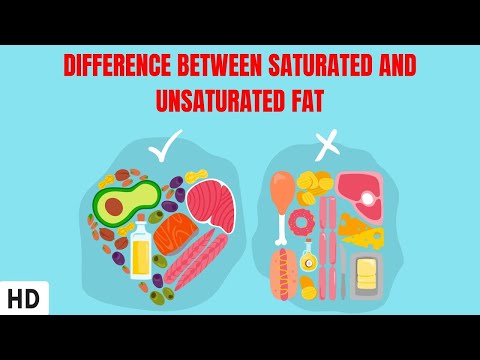
- Saturated fatty acids: These are generally solid at room temperature and found in things like butter and meat. While they have their place in moderation, too much can lead to health issues.
- Monounsaturated fatty acids: These are usually liquid at room temp—think olive oil or avocados—and they’re considered heart-healthy!
- Polyunsaturated fatty acids: These include omega-3s and omega-6s which are essential fats our bodies can’t make on their own.
It’s essential to have a balance between these different kinds of fats in our diet for overall well-being.
Sometimes I think back to when I was younger, just munching on whatever snacks were around without a care in the world about what I was putting into my body. But now? Understanding how these fats work makes me reconsider my choices! Our bodies really rely on those little chains of carbon for so much more than just taste; they’re foundational for functioning properly.
So next time you’re cooking or choosing a snack, remember how vital those fatty acids are—not just for keeping hunger at bay but for powering your body and mind too!
Exploring the Essential Functions of Fatty Acids in Cellular Biology
Sure thing! Let’s get into the nitty-gritty of fatty acids and why they’re such a big deal in cellular biology.
Fatty acids are these little building blocks of fats. You can think of them as the Lego pieces that come together to make up various structures in our cells. They’re essential for a bunch of different functions, and here’s why.
First off, they’re a major energy source. When your body needs fuel, it often turns to fats. Fatty acids are broken down through a process called beta-oxidation, which releases energy that cells can use. If you’ve ever felt low on energy after skipping breakfast, that’s because your cells are hungry for those fatty acids!
Next, they form the basis of cell membranes. Cell membranes are like the protective walls around your cells. Fatty acids combine with other molecules to create phospholipids, which are crucial for making up these membranes. Imagine these phospholipids as a cozy double-layered blanket that keeps everything inside the cell nice and safe while allowing certain things to come in and out.
Also, fatty acids play important roles in signaling. Some fatty acids serve as signaling molecules that help cells communicate with each other. This is super important for things like inflammation and immune responses. It’s like when your friend texts you about a party—your body needs to know what’s happening around it too!
Here’s something interesting:
For example, omega-3 fatty acids found in fish are known to have anti-inflammatory properties and promote heart health. It’s like giving your body a hug from the inside!
But not all fats are created equal! Saturated and unsaturated fatty acids differ significantly. Saturated fats—like those found in butter—are usually solid at room temperature and can contribute to health issues if consumed excessively. In contrast, unsaturated fats—like those from olive oil—are liquid at room temp and tend to be healthier for you.
So yeah, the functions of fatty acids go way beyond just being part of our diet. They support energy production, protect our cells, help us communicate within our bodies, and even affect our overall health based on our dietary choices.
In short, without these essential fatty acids doing their thing, you’d be running on empty—literally!
Exploring the Role of Acids in Chemical Reactions: A Comprehensive Guide to Their Properties and Applications in Science
Acids play a super important role in chemical reactions. But what exactly are they? Basically, acids are substances that can donate a proton (which is just a hydrogen ion, H+) in a solution. You know, think of acids like those friends who always offer to share their snacks; they’re generous with their protons!
In the world of chemistry, we often categorize acids based on their strength. Strong acids completely dissociate in water. An example would be hydrochloric acid (HCl). On the flip side, weak acids only partially dissociate; acetic acid (the stuff in vinegar) is one of them. This means weak acids don’t release all their protons into the solution, which can make them easier to handle.
So what’s the big deal with fatty acids? Well, they’re actually a type of weak acid! Fatty acids have long hydrocarbon chains and a carboxyl group at one end (-COOH), which gives them their acidic nature. When fatty acids dissolve in water, they can release H+ ions, but because they are weak acids, not all of them do.
Now let’s talk about why these fatty acids are crucial for life. They are not just any regular fats; they serve as building blocks for lipids, which include fats and oils. These lipids form cell membranes—yep, the barriers that hold cells together! Imagine them as tiny inflatable pools that keep everything inside safe and sound.
Aside from structural functions, fatty acids also play roles in energy storage and signaling within your body! For instance, when you need energy after skipping breakfast (oops!), your body breaks down stored fat to release fatty acids into your bloodstream. These are then converted into energy by your cells.
Okay, so here’s where it gets even cooler: some fatty acids are considered essential because our bodies can’t make them. Omega-3 and Omega-6 fatty acids fall into this category. They help with brain function and reducing inflammation—two pretty big deals when it comes to health!
In summary:
- Acids donate protons in reactions.
- Fatty Acids have long chains that lead to important biological roles.
- Lipids, formed from these fatty acids, create cell membranes.
- Energy storage: Fatty acids provide energy during times of need.
- Essential fatty acids: Our bodies can’t produce certain types we need.
You see? The role of these little molecules is absolutely vital for life itself! Whether it’s keeping our cells intact or providing energy when we’re dragging our feet after a long day—it’s all tied back to these remarkable acidic compounds. So next time you hear about fatty acids or just plain old acid in chemistry classes, remember how significant they really are!
Fatty acids, huh? You may not give them much thought, but they’re like the unsung heroes in the grand play of life. Seriously! These molecules play all sorts of essential roles in our bodies and in nature.
First off, let’s talk about what fatty acids are. Basically, they’re long chains of carbon and hydrogen atoms. Sometimes they come alone, and sometimes they hang out in groups called triglycerides. The cool thing? They can be saturated or unsaturated, depending on their chemical bonds. It’s like having a few different types of friends—some are laid-back and chill (unsaturated), while others are a bit more rigid and structured (saturated).
Now, here’s where it gets interesting: fatty acids aren’t just there for decoration. They’re key players in energy storage! Remember that feeling when you’ve had a long day and you just want to refuel? Well, your body taps into those stored fatty acids for energy—kind of like charging your phone after it’s been drained from all those TikTok videos.
And here’s another amazing perk: these little guys are crucial for building cell membranes. Yep! They help form the outer layer that keeps our cells intact. Imagine your favorite snack wrapped in shiny foil; without that protection, it would crumble away. And that’s basically what fatty acids do for our cells—they keep everything together.
Not to get too technical, but some fatty acids are considered essential because our bodies can’t make them. Omega-3 and omega-6 fatty acids fall into this category. So if you don’t eat them through food—like fish or nuts—you might miss out on some serious benefits… which is no fun!
I remember my college days when I was trying to eat healthier but had no clue about these important fats. One day I decided to whip up a salad with avocado—totally a good call! I felt energetic afterwards instead of sluggish like I did when I’d scarf down junk food all day long.
But it’s also important to remember that balance is key; not all fats are created equal. Too much of certain kinds can lead to health issues…think clogged arteries—not great! Listening to your body and finding that sweet spot is where the magic happens.
So when you’re enjoying a meal next time—whether it’s guacamole or some salmon—just take a moment to appreciate these little fatty acid warriors doing their thing behind the scenes. They’re truly vital for life as we know it!